THE ADVENTURE COLLECTIVE® · Independent discovery and booking for outdoor travel

Ride a 4x4 across the shores of Senanayake Samudraya and watch elephants move between islets. This three-hour private safari highlights year-round elephant viewing and concentrated waterbird activity, best at dawn and dusk.
Ride a 4x4 across the shores of Senanayake Samudraya and watch elephants move between islets. This three-hour private safari highlights year-round elephant viewing and concentrated waterbird activity, best at dawn and dusk.
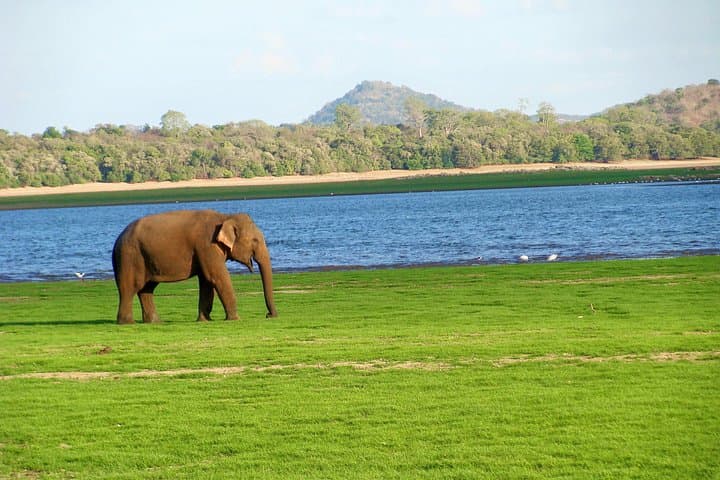
You step from the 4x4 onto dust that smells faintly of sun-warmed herbs, the reservoir’s flat light pressing down while reeds along the shore whisper. The first low rumble arrives before the animal appears: an elephant herd moving between islets, trunks swinging like living anchors, some choosing to swim with casual determination.
Verified experiences and guided adventures in the surrounding area.
Operated by Lakpura LLC · Ampara, Eastern Province
You step from the 4x4 onto dust that smells faintly of sun-warmed herbs, the reservoir’s flat light pressing down while reeds along the shore whisper. The first low rumble arrives before the animal appears: an elephant herd moving between islets, trunks swinging like living anchors, some choosing to swim with casual determination.
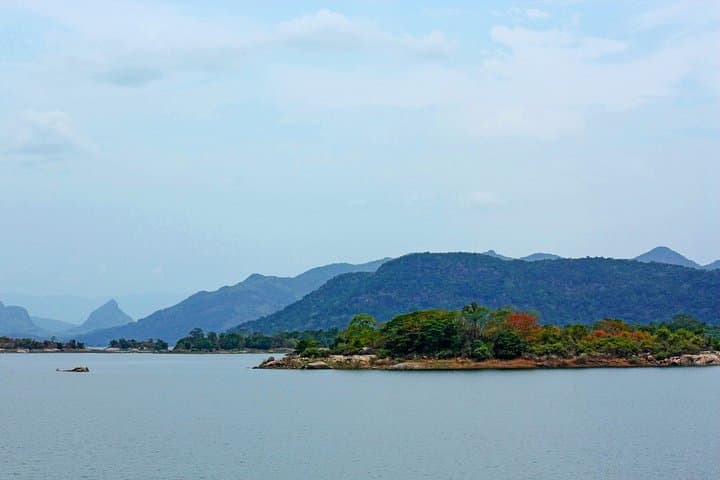
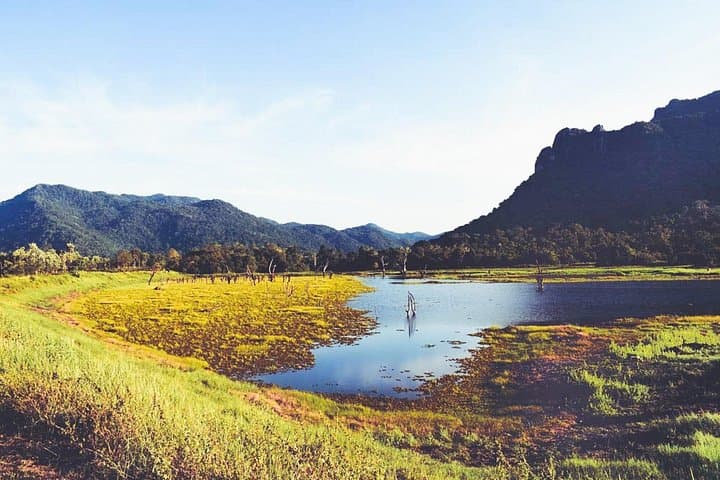
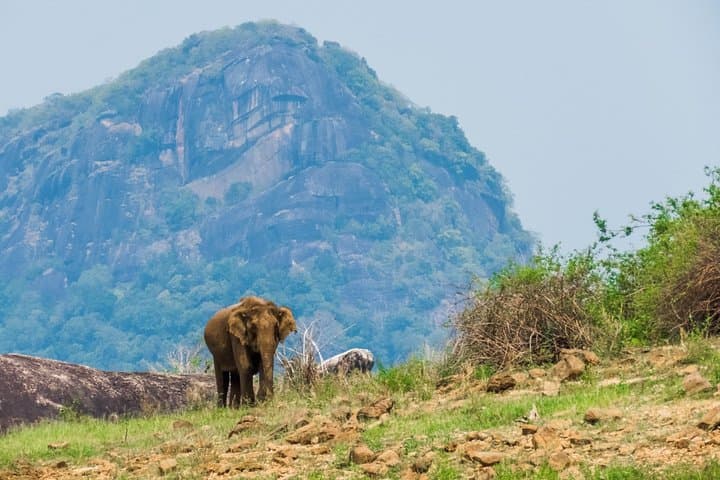
Gal Oya National Park centers on Senanayake Samudraya, Sri Lanka’s largest reservoir, a mid-20th-century irrigation project that reshaped the dry-zone ecology and invited a concentration of wildlife. Geological shelves of exposed rock and sandy floodplains alternate with shallow bays and tree-studded islets; the park supports 32 mammal species and over 150 birds. Local cultures—fisherfolk and small villages—have stories about elephants swimming to forage that are as practical as they are proud.
On a safari you’ll ride rough tracks in a multi-terrain jeep, scanning shorelines, reedbeds and islets. Between March and July, elephants often swim between islets, creating memorable sightings; mornings and late afternoons concentrate activity and softer light for photography. Drivers double as trackers and know where to watch for crepuscular mammals, waterbirds on mudflats, and medicinal plants along trails.
Practical edge: arrive early, carry binoculars and layered sun protection, and expect bumpy sections—jeeps are essential. Respect distance rules, keep noise low and follow the guide’s directions to minimize disturbance. With a short three-hour window you can expect concentrated wildlife viewing and a clear sense of how water shapes life here.
moderate.
3 hours.
Moderate fitness; ability to climb into a raised 4x4 and tolerate bumpy rides for several hours.
March to July has the highest chance to see elephants swimming between islets as water levels and forage patterns encourage movement.
Yes, children can join but travelers with spinal issues, serious heart problems or pregnant guests are advised not to participate; follow park safety guidelines.
Entrance fees are included only if you select the 'Jeep with Tickets' option—confirm when booking.
Free pickup/drop-off is typically offered within a 5 km radius of the park gate; confirm your pickup point when booking.
The park’s core sits on and around Senanayake Samudraya, a mid-20th-century irrigation reservoir that reshaped local ecology and settlement patterns.
Gal Oya balances wildlife protection with local livelihoods; stick to marked routes, minimize waste, and follow guides to reduce disturbance to resident herds.
Lakpura LLC operates guided outdoor trips and adventures with an emphasis on safety, stewardship, and memorable experiences.
You step from the 4x4 onto dust that smells faintly of sun-warmed herbs, the reservoir’s flat light pressing down while reeds along the shore whisper. The first low rumble arrives before the animal appears: an elephant herd moving between islets, trunks swinging like living anchors, some choosing to swim with casual determination.
You step from the 4x4 onto dust that smells faintly of sun-warmed herbs, the reservoir’s flat light pressing down while reeds along the shore whisper. The first low rumble arrives before the animal appears: an elephant herd moving between islets, trunks swinging like living anchors, some choosing to swim with casual determination.
Gal Oya National Park centers on Senanayake Samudraya, Sri Lanka’s largest reservoir, a mid-20th-century irrigation project that reshaped the dry-zone ecology and invited a concentration of wildlife. Geological shelves of exposed rock and sandy floodplains alternate with shallow bays and tree-studded islets; the park supports 32 mammal species and over 150 birds. Local cultures—fisherfolk and small villages—have stories about elephants swimming to forage that are as practical as they are proud.
On a safari you’ll ride rough tracks in a multi-terrain jeep, scanning shorelines, reedbeds and islets. Between March and July, elephants often swim between islets, creating memorable sightings; mornings and late afternoons concentrate activity and softer light for photography. Drivers double as trackers and know where to watch for crepuscular mammals, waterbirds on mudflats, and medicinal plants along trails.
Practical edge: arrive early, carry binoculars and layered sun protection, and expect bumpy sections—jeeps are essential. Respect distance rules, keep noise low and follow the guide’s directions to minimize disturbance. With a short three-hour window you can expect concentrated wildlife viewing and a clear sense of how water shapes life here.