THE ADVENTURE COLLECTIVE® · Independent discovery and booking for outdoor travel

Spend a full day in Gabala exploring Nohur Lake, a cliffside tomb, a woodland waterfall and a panoramic cable car. This accessible day tour blends geological views with cultural stops and short on-foot experiences.
Spend a full day in Gabala exploring Nohur Lake, a cliffside tomb, a woodland waterfall and a panoramic cable car. This accessible day tour blends geological views with cultural stops and short on-foot experiences.
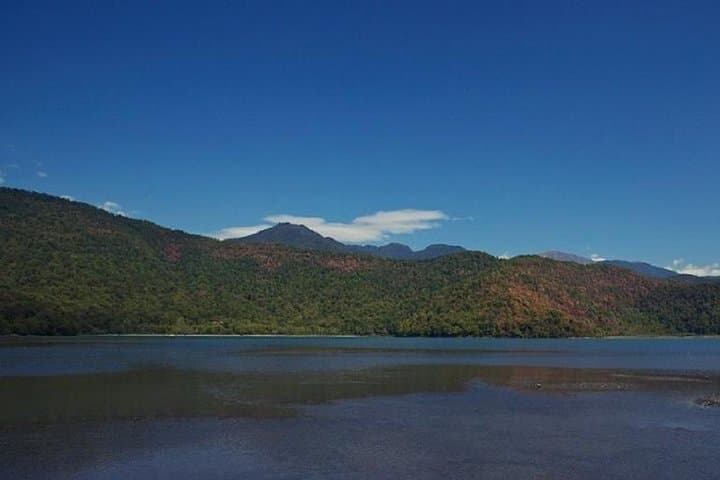
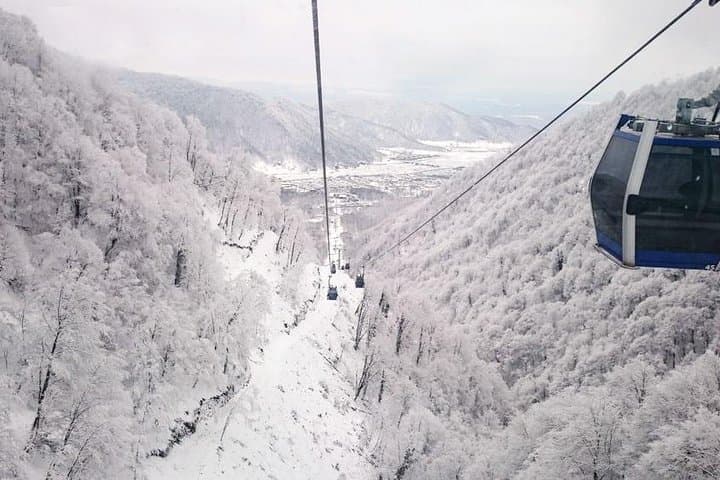
Morning light slices across the Caucasus as your vehicle climbs out of Gabala town—pine-scrubbed ridges push the horizon, and the air smells sharp with stone and grass. You step out at Nohur Lake and the water seems to dare you to stand still: glassy surface, mountain frames, and a chill that keeps conversation low. A cable car ride later lifts you over terraces and old forest, giving a quick, clean view of the valley’s geology: folded limestone and weathered granite rising to snowy crowns in colder months.
Verified experiences and guided adventures in the surrounding area.
Operated by MyBakuTours · Gabala, Gabala District
Morning light slices across the Caucasus as your vehicle climbs out of Gabala town—pine-scrubbed ridges push the horizon, and the air smells sharp with stone and grass. You step out at Nohur Lake and the water seems to dare you to stand still: glassy surface, mountain frames, and a chill that keeps conversation low. A cable car ride later lifts you over terraces and old forest, giving a quick, clean view of the valley’s geology: folded limestone and weathered granite rising to snowy crowns in colder months.
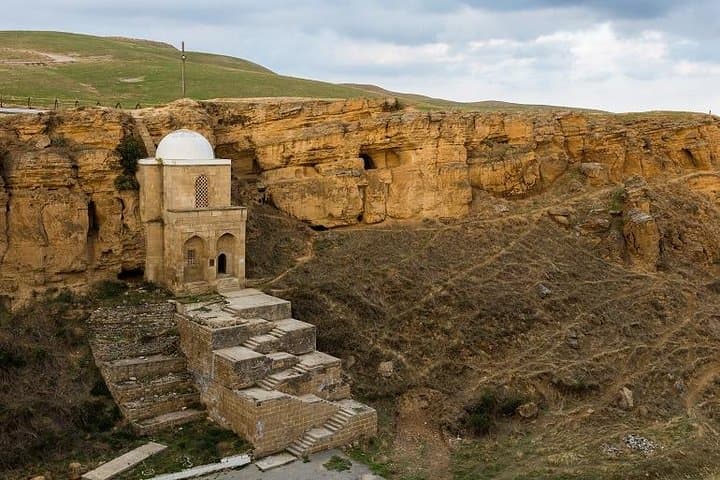
This loop of sights threads history into the land. The rock-cut Juma (Diri Baba) tomb, half embedded in a cliff, speaks to medieval pilgrim routes; Gabala itself sits near ancient caravan paths that crossed the Greater Caucasus. Locals still gather walnuts and chestnuts in autumn, and small villages keep crafts and tea rituals alive—simple cultural markers that make stops feel less like photo ops and more like short, rooted conversations.
Expect short walks rather than long hikes: a lakeside stroll, a boardwalk to a waterfall, and some steps at viewpoints. Trails are mostly maintained but can be uneven and slippery after rain. Aim for early start to avoid crowds at the cable route and to catch calm reflections on Nohur.
Practical notes: layers for variable mountain weather, sturdy shoes for mixed terrain, and cash for small entry fees or local snacks. If you’re traveling from Baku, the drive is long—plan the day as a full outing. Respect signs, local customs at sacred sites, and pack out any waste to help keep these valleys clear for the next traveler.
easy.
7–9 hours.
Suitable for most fitness levels; requires ability to walk short uneven distances and climb moderate sets of steps.
The full excursion runs about 7–9 hours, including transport between sites and time for short walks and the cable car.
Some admissions such as the cable car may not be included—check the tour details and bring local currency for on-site fees.
Many transport and some surfaces are accessible, but certain viewpoints and trails (waterfall steps, cable-car platforms) have uneven stairs and may be challenging for wheelchair users.
Yes—families are welcome; infants should sit on laps in vehicles and parents should supervise at viewpoints and near water.
Gabala lies near ancient trade routes across the Greater Caucasus; the Diri Baba tomb is a medieval rock-cut shrine built into a cliff face.
Visitor impact is low but rising—stick to marked paths, avoid disturbing vegetation, and pack out trash to protect alpine meadows and freshwater sites.
MyBakuTours operates guided outdoor trips and adventures with an emphasis on safety, stewardship, and memorable experiences.
Morning light slices across the Caucasus as your vehicle climbs out of Gabala town—pine-scrubbed ridges push the horizon, and the air smells sharp with stone and grass. You step out at Nohur Lake and the water seems to dare you to stand still: glassy surface, mountain frames, and a chill that keeps conversation low. A cable car ride later lifts you over terraces and old forest, giving a quick, clean view of the valley’s geology: folded limestone and weathered granite rising to snowy crowns in colder months.
Morning light slices across the Caucasus as your vehicle climbs out of Gabala town—pine-scrubbed ridges push the horizon, and the air smells sharp with stone and grass. You step out at Nohur Lake and the water seems to dare you to stand still: glassy surface, mountain frames, and a chill that keeps conversation low. A cable car ride later lifts you over terraces and old forest, giving a quick, clean view of the valley’s geology: folded limestone and weathered granite rising to snowy crowns in colder months.
This loop of sights threads history into the land. The rock-cut Juma (Diri Baba) tomb, half embedded in a cliff, speaks to medieval pilgrim routes; Gabala itself sits near ancient caravan paths that crossed the Greater Caucasus. Locals still gather walnuts and chestnuts in autumn, and small villages keep crafts and tea rituals alive—simple cultural markers that make stops feel less like photo ops and more like short, rooted conversations.
Expect short walks rather than long hikes: a lakeside stroll, a boardwalk to a waterfall, and some steps at viewpoints. Trails are mostly maintained but can be uneven and slippery after rain. Aim for early start to avoid crowds at the cable route and to catch calm reflections on Nohur.
Practical notes: layers for variable mountain weather, sturdy shoes for mixed terrain, and cash for small entry fees or local snacks. If you’re traveling from Baku, the drive is long—plan the day as a full outing. Respect signs, local customs at sacred sites, and pack out any waste to help keep these valleys clear for the next traveler.