THE ADVENTURE COLLECTIVE® · Independent discovery and booking for outdoor travel

Go behind the glass at the Everett factory to watch Boeing jets being assembled and explore interactive exhibits at the Future of Flight Aviation Center. This private tour from Seattle combines hands-on aviation displays, panoramic Sky Deck views, and guided access to one of the world’s largest manufacturing facilities.
Go behind the glass at the Everett factory to watch Boeing jets being assembled and explore interactive exhibits at the Future of Flight Aviation Center. This private tour from Seattle combines hands-on aviation displays, panoramic Sky Deck views, and guided access to one of the world’s largest manufacturing facilities.
You step off the air-conditioned minivan and straight into a world of rivets, riveted frames, and hum: the Everett production line stretches out like an industrial runway. Through the glass of the Strato Deck, aluminum skins and composite fuselages are hushed into shape while the Sound of Puget Sound and distant peaks keep watch. The sky here pushes you to look up — enormous wings, the slow choreography of cranes, the steady progress of a jet taking form.
Verified experiences and guided adventures in the surrounding area.
Operated by BARBIL TOURS · Everett, Washington
You step off the air-conditioned minivan and straight into a world of rivets, riveted frames, and hum: the Everett production line stretches out like an industrial runway. Through the glass of the Strato Deck, aluminum skins and composite fuselages are hushed into shape while the Sound of Puget Sound and distant peaks keep watch. The sky here pushes you to look up — enormous wings, the slow choreography of cranes, the steady progress of a jet taking form.
The Everett factory grew out of Boeing’s postwar expansion; the facility opened to assemble the first 747 in the late 1960s and later became home to the 777 and 787 programs. Geologically, Paine Field sits on glacial outwash and reclaimed wetlands shaped by the same ice that sculpted the nearby North Cascades, which appear as a jagged backdrop on clear days. Locally, aerospace is both employer and identity; Mukilteo and Everett retain maritime and logging histories that predate the jet age.
Practical guidance: tours run 5–6 hours with guided transportation from Seattle, moderate walking, and accessible routes. Bring a government ID for entry, wear comfortable shoes for concrete and ramps, and allow extra time for traffic between downtown Seattle and Paine Field. Expect museum exhibits, hands-on displays for kids, and panoramic viewpoints on the Sky Deck; photography is generally allowed in public areas but restricted on the assembly floor. Morning departures often mean quieter galleries and clearer mountain views. Hydrate, dress in layers for variable indoor/outdoor temps, and plan for a full day — this is a technical, behind-the-scenes look at industrial-scale flight.
easy.
5–6 hours.
Suitable for most fitness levels — requires standing and walking on flat, concrete surfaces for extended periods.
Photography is permitted in public areas like the Aviation Center and Sky Deck; however, photography near active assembly areas is restricted—follow guide and staff directions.
This private tour offers pickup and drop-off; confirm your pickup point at booking and expect a 30–60 minute transfer depending on traffic.
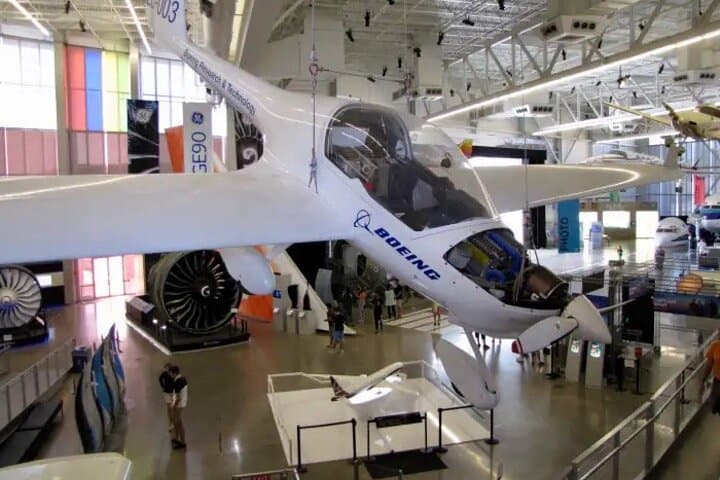
Yes — exhibits, a kids’ zone, and flight simulators cater to families; note some floor-to-ceiling viewing areas and safety rules to supervise youngsters.
The venue and tour routes are described as accessible with ramps and elevator access; notify the operator at booking for specific assistance needs.
The Everett plant opened in the late 1960s to accommodate the 747 program and expanded over decades to become the world’s largest airplane assembly facility by volume.
The Aviation Center highlights Boeing’s moves toward lighter materials and fuel efficiency; visitors are encouraged to minimize waste and stay on designated paths to protect surrounding wetlands.
BARBIL TOURS operates guided outdoor trips and adventures with an emphasis on safety, stewardship, and memorable experiences.
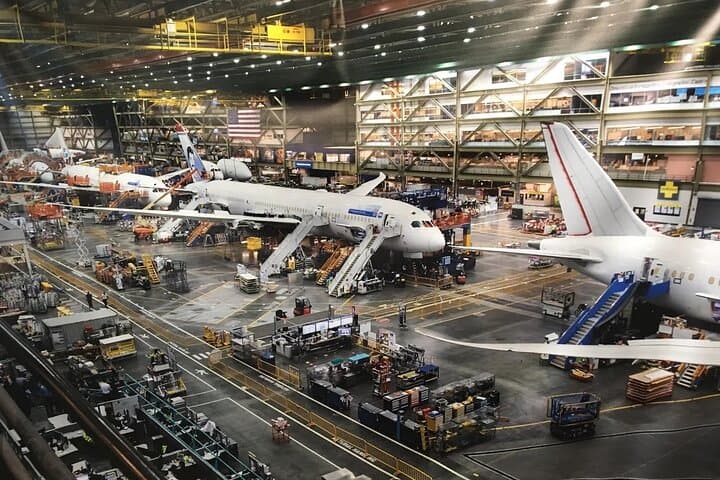
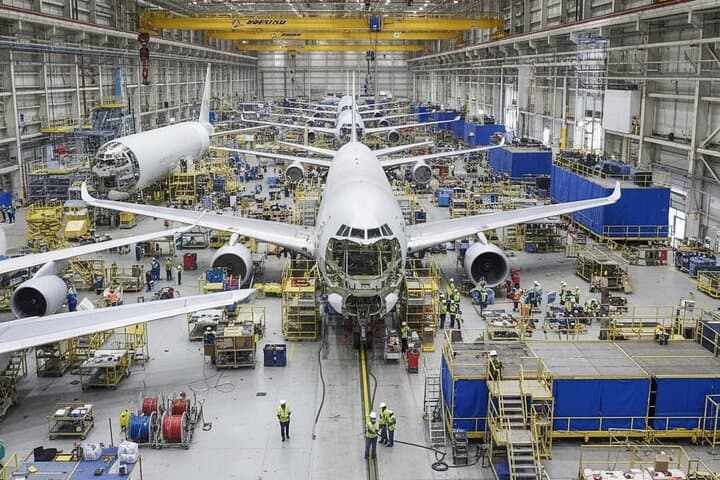
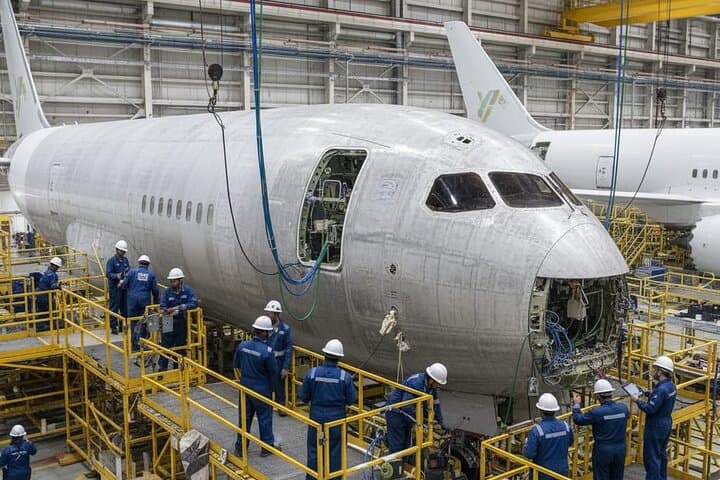
You step off the air-conditioned minivan and straight into a world of rivets, riveted frames, and hum: the Everett production line stretches out like an industrial runway. Through the glass of the Strato Deck, aluminum skins and composite fuselages are hushed into shape while the Sound of Puget Sound and distant peaks keep watch. The sky here pushes you to look up — enormous wings, the slow choreography of cranes, the steady progress of a jet taking form.
You step off the air-conditioned minivan and straight into a world of rivets, riveted frames, and hum: the Everett production line stretches out like an industrial runway. Through the glass of the Strato Deck, aluminum skins and composite fuselages are hushed into shape while the Sound of Puget Sound and distant peaks keep watch. The sky here pushes you to look up — enormous wings, the slow choreography of cranes, the steady progress of a jet taking form.
The Everett factory grew out of Boeing’s postwar expansion; the facility opened to assemble the first 747 in the late 1960s and later became home to the 777 and 787 programs. Geologically, Paine Field sits on glacial outwash and reclaimed wetlands shaped by the same ice that sculpted the nearby North Cascades, which appear as a jagged backdrop on clear days. Locally, aerospace is both employer and identity; Mukilteo and Everett retain maritime and logging histories that predate the jet age.
Practical guidance: tours run 5–6 hours with guided transportation from Seattle, moderate walking, and accessible routes. Bring a government ID for entry, wear comfortable shoes for concrete and ramps, and allow extra time for traffic between downtown Seattle and Paine Field. Expect museum exhibits, hands-on displays for kids, and panoramic viewpoints on the Sky Deck; photography is generally allowed in public areas but restricted on the assembly floor. Morning departures often mean quieter galleries and clearer mountain views. Hydrate, dress in layers for variable indoor/outdoor temps, and plan for a full day — this is a technical, behind-the-scenes look at industrial-scale flight.