THE ADVENTURE COLLECTIVE® · Independent discovery and booking for outdoor travel

A full-day, guide-led descent of the Futaleufú from Puente a Puente through the Macal section, featuring tight waves and two legendary Class V rapids. Prepare for cold water, sustained whitewater, and a remote Patagonian river experience.
A full-day, guide-led descent of the Futaleufú from Puente a Puente through the Macal section, featuring tight waves and two legendary Class V rapids. Prepare for cold water, sustained whitewater, and a remote Patagonian river experience.
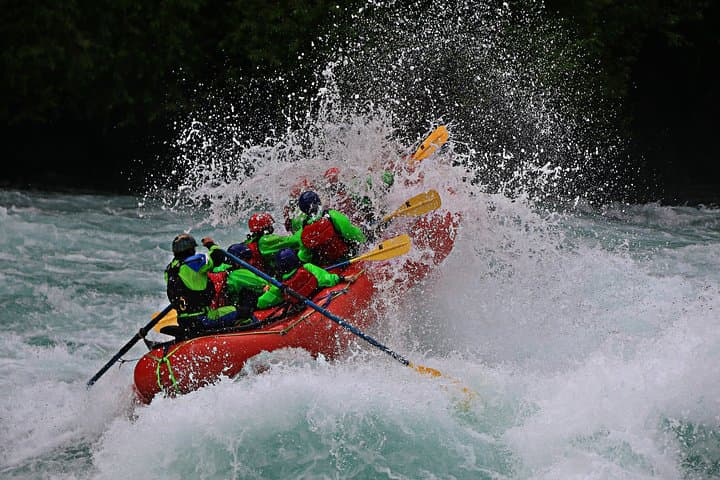
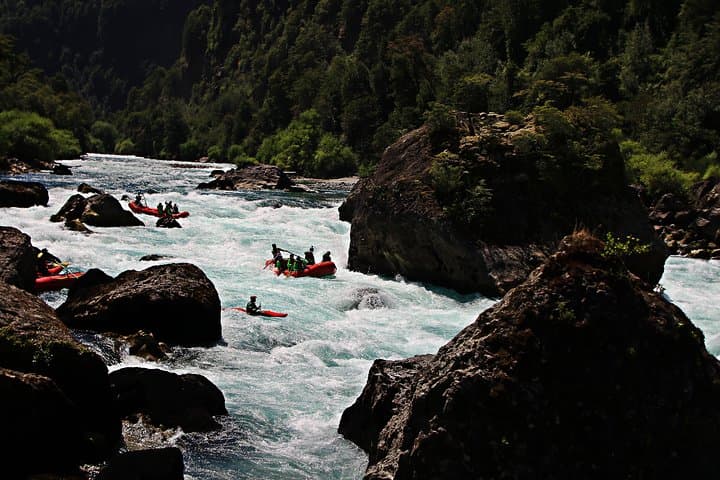
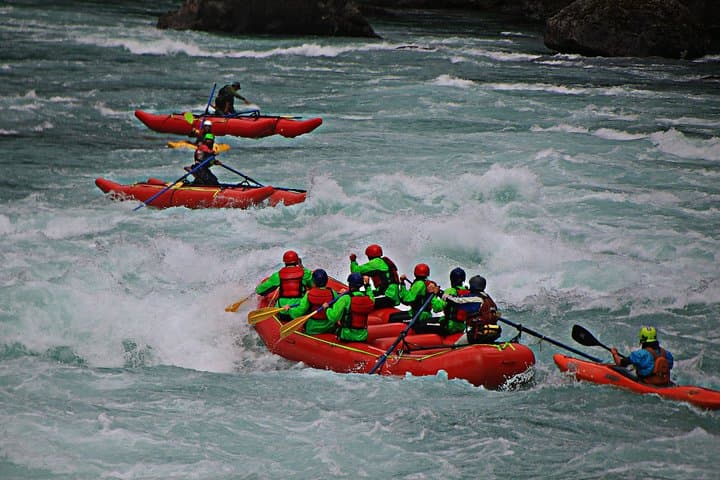
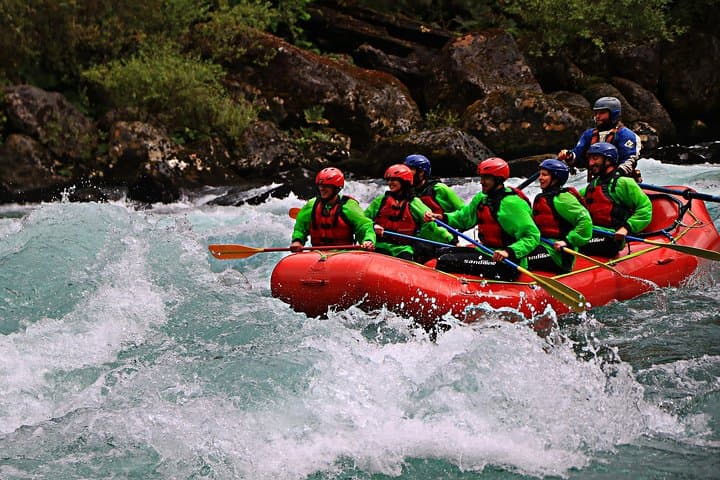
You step from the van onto gravel that smells of river and wet stone; the Futaleufú’s voice is already loud — a blue ribbon forcing its way through steep rock. Guides unload gear with practiced efficiency, the sound of buckles and neoprene joining the river’s roar. From the Puente a Puente stretch you’ll paddle through tight, punchy waves, and then push into Macal where Mas o Menos and Casa de Piedra — two famous Class V chutes — demand full focus and teamwork.
Verified experiences and guided adventures in the surrounding area.
Operated by Bochinche Expediciones · Futaleufú, Los Lagos
You step from the van onto gravel that smells of river and wet stone; the Futaleufú’s voice is already loud — a blue ribbon forcing its way through steep rock. Guides unload gear with practiced efficiency, the sound of buckles and neoprene joining the river’s roar. From the Puente a Puente stretch you’ll paddle through tight, punchy waves, and then push into Macal where Mas o Menos and Casa de Piedra — two famous Class V chutes — demand full focus and teamwork.
Geology here is raw: glacially carved valleys, volcanic bedrock, and steep granite walls that funnel enormous volumes of clear, cold water. The river’s name comes from Mapudungun — futa (great) + leufú (river) — and the valley holds a mix of Huilliche/Mapuche influence and modern rafting culture. Locals balance ranching, guiding, and conservation, and the Futaleufú is central to recent debates about hydropower and protecting free-flowing whitewater.
Expect a full-day outing (about 6 hours total with transport) that moves fast: safety briefing, fitted PFD and helmet, practice strokes, then sustained rapids that test commitment. Water is cold year-round — wetsuit or drysuit recommended — and weather can flip quickly in Patagonia-style microclimates. Bring a small dry bag for essentials, hydrate before you climb in, and follow your guide’s commands precisely; the river rewards solid teamwork and punishes hesitation.
This is a high-adrenaline, guide-led run for paddlers who want intense whitewater within a remote, scenic valley — equal parts technical challenge and landscape spectacle.
challenging.
6 hours.
Moderate to high: you should be comfortable paddling hard for short bursts and able to perform a wet exit; basic swimming ability required
This run includes sustained whitewater up to Class V (notably Mas o Menos and Casa de Piedra). It’s a challenging, guide-led trip suited for experienced paddlers comfortable with high-consequence rapids.
Guides supply helmets, PFDs, paddles and river equipment; guests should bring swimwear, thermal layers and river shoes.
Travelers should have moderate fitness; not recommended for pregnant guests or those with serious heart conditions. Specific weight/age limits may apply — check at booking.
Trips typically run unless conditions create an unsafe river flow; the operator monitors water levels and guide teams make call decisions for safety.
Futaleufú combines Mapuche/Huilliche place names and rural Patagonian ranching history; whitewater tourism grew here in the late 20th century as word spread among paddlers.
The Futaleufú is a focus of local conservation efforts due to past hydropower proposals; guides and outfitters emphasize low-impact practices to protect river corridors.
Bochinche Expediciones operates guided outdoor trips and adventures with an emphasis on safety, stewardship, and memorable experiences.
You step from the van onto gravel that smells of river and wet stone; the Futaleufú’s voice is already loud — a blue ribbon forcing its way through steep rock. Guides unload gear with practiced efficiency, the sound of buckles and neoprene joining the river’s roar. From the Puente a Puente stretch you’ll paddle through tight, punchy waves, and then push into Macal where Mas o Menos and Casa de Piedra — two famous Class V chutes — demand full focus and teamwork.
You step from the van onto gravel that smells of river and wet stone; the Futaleufú’s voice is already loud — a blue ribbon forcing its way through steep rock. Guides unload gear with practiced efficiency, the sound of buckles and neoprene joining the river’s roar. From the Puente a Puente stretch you’ll paddle through tight, punchy waves, and then push into Macal where Mas o Menos and Casa de Piedra — two famous Class V chutes — demand full focus and teamwork.
Geology here is raw: glacially carved valleys, volcanic bedrock, and steep granite walls that funnel enormous volumes of clear, cold water. The river’s name comes from Mapudungun — futa (great) + leufú (river) — and the valley holds a mix of Huilliche/Mapuche influence and modern rafting culture. Locals balance ranching, guiding, and conservation, and the Futaleufú is central to recent debates about hydropower and protecting free-flowing whitewater.
Expect a full-day outing (about 6 hours total with transport) that moves fast: safety briefing, fitted PFD and helmet, practice strokes, then sustained rapids that test commitment. Water is cold year-round — wetsuit or drysuit recommended — and weather can flip quickly in Patagonia-style microclimates. Bring a small dry bag for essentials, hydrate before you climb in, and follow your guide’s commands precisely; the river rewards solid teamwork and punishes hesitation.
This is a high-adrenaline, guide-led run for paddlers who want intense whitewater within a remote, scenic valley — equal parts technical challenge and landscape spectacle.