THE ADVENTURE COLLECTIVE® · Independent discovery and booking for outdoor travel

Take a high-energy descent on Chile’s Futaleufú River with a Bridge-to-Bridge rafting run — technical Class IV–V rapids framed by glacially carved canyons. Expect two hours of continuous whitewater with expert guides and cold, crystal-clear water.
Take a high-energy descent on Chile’s Futaleufú River with a Bridge-to-Bridge rafting run — technical Class IV–V rapids framed by glacially carved canyons. Expect two hours of continuous whitewater with expert guides and cold, crystal-clear water.
The river arrives before dawn’s light has fully warmed the valley — a ribbon of turquoise hurrying between granite canyons and spruce-dark slopes. Guides sort gear on the bank as a cold wind brushes past; the Futaleufú doesn’t ask for permission to demand attention. Paddle strokes start in sync, and within minutes the water is pushing the raft into a choreography of drops and boils where teamwork matters more than bravado.
Verified experiences and guided adventures in the surrounding area.
Operated by Anclatourchile · Futaleufú, Los Lagos
The river arrives before dawn’s light has fully warmed the valley — a ribbon of turquoise hurrying between granite canyons and spruce-dark slopes. Guides sort gear on the bank as a cold wind brushes past; the Futaleufú doesn’t ask for permission to demand attention. Paddle strokes start in sync, and within minutes the water is pushing the raft into a choreography of drops and boils where teamwork matters more than bravado.
Geologically, the Futaleufú drains the Andean flank carved by glaciers and tectonic uplift, its color fed by rock flour and mountain runoff. The valley has long been the domain of Mapuche-Huilliche communities and later settlers who logged lenga and built the small town of Futaleufú as a gateway to the borderlands. Today the river’s reputation for Class IV–V rapids draws paddlers from around the world while local guesthouses and guides keep the town’s culture and economy tied to the flow.
Expect two hours on the water for the Bridge-to-Bridge section: technical rapids, tight canyon lines, and quieter pools that let crews regroup. Guides provide full safety briefings and equipment; prior paddling helps but is not required. Dress for cold water — hypothermia is the real hazard, not the rapids themselves. Bring layered synthetic clothing, a sturdy water shoe, and a sense of teamwork.
Practical tips: arrive with a basic level of fitness, hydrate and eat before launch, and follow the guide’s commands precisely. Weather can shift quickly in northern Patagonia, so pack a dry layer for the ride back to town. When the raft hits calm water, the valley opens and the reason for the pilgrimage is plain: the river asks you to move with it or be outpaced.
challenging.
3 hours total (including briefing and transit).
Moderate to strong cardiovascular fitness and ability to swim; must handle sustained bursts of effort and quick recovery.
No — guides provide instruction and safety briefings, though prior paddling helps; expect a physically demanding run with technical maneuvers.
Wear quick-drying synthetic base layers or a swimsuit; avoid cotton. Bring a warm dry layer for afterward.
Operators require basic swimming competence and use flotation devices; non-swimmers should disclose this and discuss options with the operator before booking.
The operator’s policy allows full refunds up to 24 hours before departure; commercial runs typically proceed in varied weather unless conditions are unsafe.
The Futaleufú valley was historically inhabited by Mapuche-Huilliche communities and later shaped by logging and borderland settlements; the river’s reputation as a rafting destination grew in the late 20th century.
High-use seasons stress river access and local ecology; choose guided operators who follow ‘leave no trace’ practices and support community-based services.
Anclatourchile operates guided outdoor trips and adventures with an emphasis on safety, stewardship, and memorable experiences.
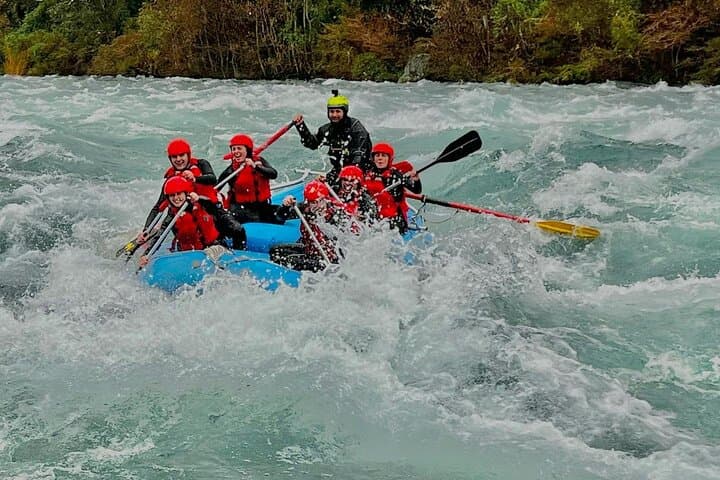
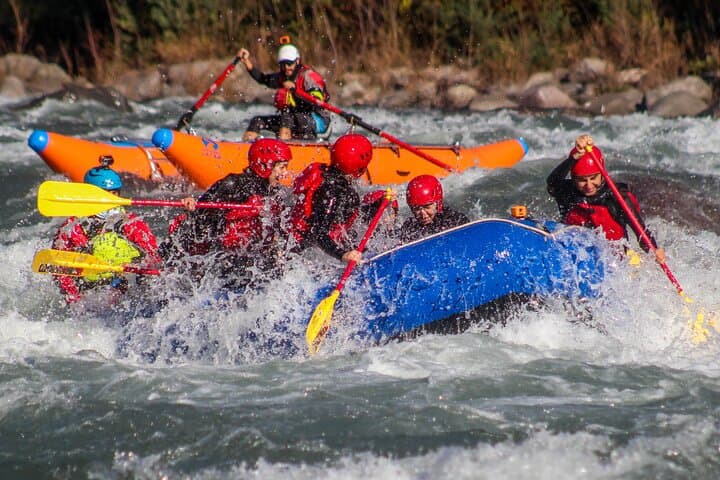
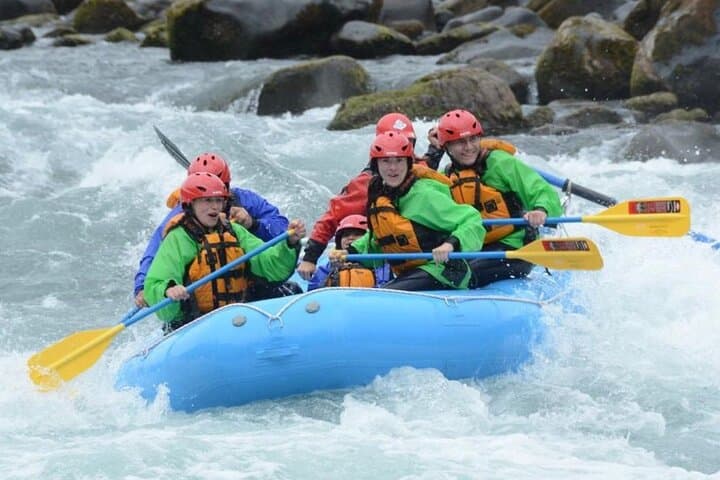
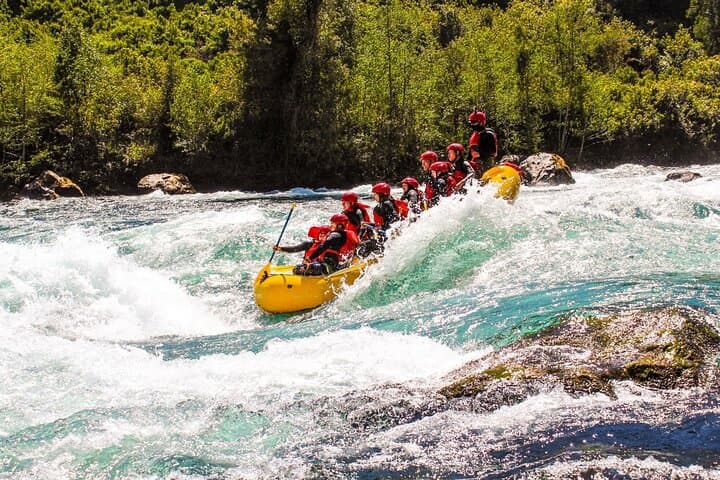
The river arrives before dawn’s light has fully warmed the valley — a ribbon of turquoise hurrying between granite canyons and spruce-dark slopes. Guides sort gear on the bank as a cold wind brushes past; the Futaleufú doesn’t ask for permission to demand attention. Paddle strokes start in sync, and within minutes the water is pushing the raft into a choreography of drops and boils where teamwork matters more than bravado.
The river arrives before dawn’s light has fully warmed the valley — a ribbon of turquoise hurrying between granite canyons and spruce-dark slopes. Guides sort gear on the bank as a cold wind brushes past; the Futaleufú doesn’t ask for permission to demand attention. Paddle strokes start in sync, and within minutes the water is pushing the raft into a choreography of drops and boils where teamwork matters more than bravado.
Geologically, the Futaleufú drains the Andean flank carved by glaciers and tectonic uplift, its color fed by rock flour and mountain runoff. The valley has long been the domain of Mapuche-Huilliche communities and later settlers who logged lenga and built the small town of Futaleufú as a gateway to the borderlands. Today the river’s reputation for Class IV–V rapids draws paddlers from around the world while local guesthouses and guides keep the town’s culture and economy tied to the flow.
Expect two hours on the water for the Bridge-to-Bridge section: technical rapids, tight canyon lines, and quieter pools that let crews regroup. Guides provide full safety briefings and equipment; prior paddling helps but is not required. Dress for cold water — hypothermia is the real hazard, not the rapids themselves. Bring layered synthetic clothing, a sturdy water shoe, and a sense of teamwork.
Practical tips: arrive with a basic level of fitness, hydrate and eat before launch, and follow the guide’s commands precisely. Weather can shift quickly in northern Patagonia, so pack a dry layer for the ride back to town. When the raft hits calm water, the valley opens and the reason for the pilgrimage is plain: the river asks you to move with it or be outpaced.