THE ADVENTURE COLLECTIVE® · Independent discovery and booking for outdoor travel

Walk through Fushimi Inari’s tunnel of torii, then meet the bowing deer and monumental temples of Nara with a Spanish-speaking private guide. This full-day tour blends living Shinto practice with Japan’s early capital—ideal for travelers who want context with their photos.
Walk through Fushimi Inari’s tunnel of torii, then meet the bowing deer and monumental temples of Nara with a Spanish-speaking private guide. This full-day tour blends living Shinto practice with Japan’s early capital—ideal for travelers who want context with their photos.
You step out of Kyoto’s morning hush onto a street that opens into a red-tunnel throat of torii gates, their lacquered surfaces reflecting the sun as you begin the climb up Inari Mountain. The torii press close like a corridor of intent; fox statues watch from dark alcoves, and the path alternates between polished stone and leaf-mulched trail as the city slips away.
Verified experiences and guided adventures in the surrounding area.
Operated by Toursnippon · Kyoto, Kyoto Prefecture
You step out of Kyoto’s morning hush onto a street that opens into a red-tunnel throat of torii gates, their lacquered surfaces reflecting the sun as you begin the climb up Inari Mountain. The torii press close like a corridor of intent; fox statues watch from dark alcoves, and the path alternates between polished stone and leaf-mulched trail as the city slips away.
This single-day route pairs two eras of Japanese history: the living Shinto complex at Fushimi Inari Taisha, where donors’ torii trace centuries of commerce and devotion, and Nara, the 8th-century cradle of Japan’s classical architecture. Todaiji’s Daibutsu sits inside one of the world’s largest wooden halls, while Kofuku-ji’s pagoda marks the skyline where the Fujiwara clan once held sway. Geologically, the gentle ridges of Inari and the alluvial plains around Nara shape easy, walkable terrain—stairs more than steep climbs—so movement is steady rather than strenuous.
Culturally, the deer of Nara Park behave like local characters: curious, sometimes insistent, and treated with ritual respect. Your Spanish-speaking guide frames each stop with concise history and etiquette: how to approach shrines, how to offer a small prayer, how to feed deer responsibly.
Practical guidance: wear grippy walking shoes for stone steps, bring water and a light rain layer (Kyoto weather shifts fast), and plan for about eight hours including a mandatory 30-minute lunch break. Expect moderate walking, occasional stairs, and crowds at peak hours—early starts beat the midday rush. Reserve camera batteries, keep coins for small shrine offerings, and follow local rules when interacting with deer to keep the experience safe and memorable.
easy.
8 hours.
Comfortable walking ability; able to manage stairs and 3–5 miles of walking over varied surfaces
This private tour includes guided visits but typically does not cover temple admission fees; check the booking details or bring cash for entrance when required.
Yes—your Spanish-speaking guide can recommend and arrange lunch options to accommodate dietary needs, but lunch is on your own.
No—the tour is rated easy with moderate walking and stairs; it suits most fitness levels, including families with older children.
Pick-up options include central Kyoto hotels; the tour usually returns to Kyoto Central Station around 5:30 p.m., as stated in the itinerary.
Nara served as Japan’s first permanent capital from 710–794 CE, a period that produced many of the country’s earliest large-scale Buddhist temples; Fushimi Inari’s origins date back to the 8th century and grew with merchant patronage.
Visitors are asked not to feed deer human food and to follow rules at shrines to protect ancient wood and stone—staying on paths and disposing of waste properly helps preserve these sites.
Toursnippon operates guided outdoor trips and adventures with an emphasis on safety, stewardship, and memorable experiences.
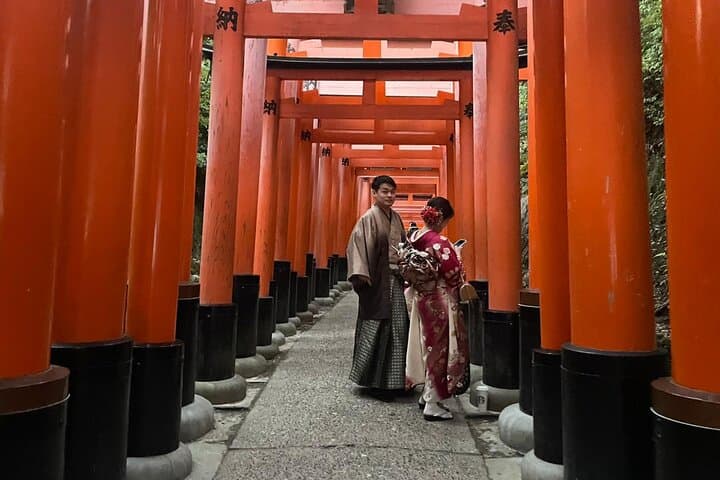
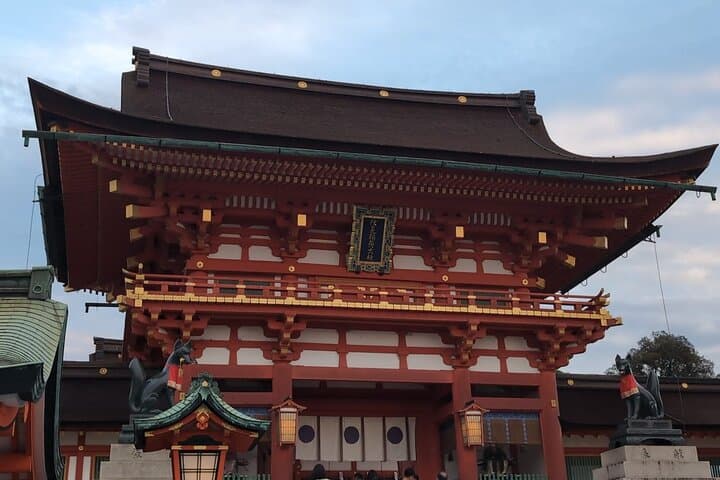
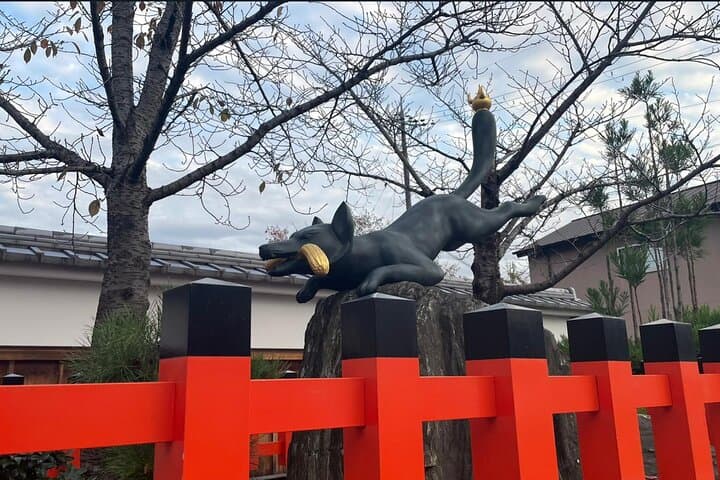
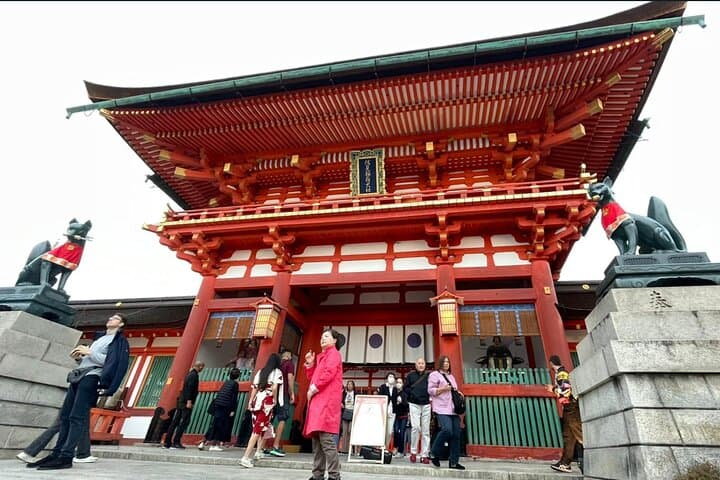
You step out of Kyoto’s morning hush onto a street that opens into a red-tunnel throat of torii gates, their lacquered surfaces reflecting the sun as you begin the climb up Inari Mountain. The torii press close like a corridor of intent; fox statues watch from dark alcoves, and the path alternates between polished stone and leaf-mulched trail as the city slips away.
You step out of Kyoto’s morning hush onto a street that opens into a red-tunnel throat of torii gates, their lacquered surfaces reflecting the sun as you begin the climb up Inari Mountain. The torii press close like a corridor of intent; fox statues watch from dark alcoves, and the path alternates between polished stone and leaf-mulched trail as the city slips away.
This single-day route pairs two eras of Japanese history: the living Shinto complex at Fushimi Inari Taisha, where donors’ torii trace centuries of commerce and devotion, and Nara, the 8th-century cradle of Japan’s classical architecture. Todaiji’s Daibutsu sits inside one of the world’s largest wooden halls, while Kofuku-ji’s pagoda marks the skyline where the Fujiwara clan once held sway. Geologically, the gentle ridges of Inari and the alluvial plains around Nara shape easy, walkable terrain—stairs more than steep climbs—so movement is steady rather than strenuous.
Culturally, the deer of Nara Park behave like local characters: curious, sometimes insistent, and treated with ritual respect. Your Spanish-speaking guide frames each stop with concise history and etiquette: how to approach shrines, how to offer a small prayer, how to feed deer responsibly.
Practical guidance: wear grippy walking shoes for stone steps, bring water and a light rain layer (Kyoto weather shifts fast), and plan for about eight hours including a mandatory 30-minute lunch break. Expect moderate walking, occasional stairs, and crowds at peak hours—early starts beat the midday rush. Reserve camera batteries, keep coins for small shrine offerings, and follow local rules when interacting with deer to keep the experience safe and memorable.