THE ADVENTURE COLLECTIVE® · Independent discovery and booking for outdoor travel

Spend a spring day in Fushimi moving from the iconic Senbon Torii to historic sake houses, a gentle canal boat ride, and tasting rooms. This private tour pairs cherry-blossom views with hands-on sake history and local flavors.
Spend a spring day in Fushimi moving from the iconic Senbon Torii to historic sake houses, a gentle canal boat ride, and tasting rooms. This private tour pairs cherry-blossom views with hands-on sake history and local flavors.
Step off the station platform and the city gives way to vermilion gates, lantern-lit alleys, and the soft exhale of cherry petals along a slow river. This six-hour route threads Fushimi Inari’s Senbon Torii into quieter shrine precincts, slips along an old kana canal by sightseeing boat, and ends among low, white-walled kura where sake barrels stack like records of local craft.
Verified experiences and guided adventures in the surrounding area.
Operated by OTOMO Travel Guide · Kyoto, Kyoto Prefecture
Step off the station platform and the city gives way to vermilion gates, lantern-lit alleys, and the soft exhale of cherry petals along a slow river. This six-hour route threads Fushimi Inari’s Senbon Torii into quieter shrine precincts, slips along an old kana canal by sightseeing boat, and ends among low, white-walled kura where sake barrels stack like records of local craft.
Fushimi’s link to brewing reaches back centuries: abundant groundwater and access to transport made the ward a sake-making hub from the Edo era through Meiji industrialization. The district’s geology — low-lying alluvial plains fed by the Uji tributaries — produces the soft water that brewers prize. Culture here is hands-on: temple prayers for good harvests sit beside family breweries where wooden vats and copper tools still speak of slow, seasonal work.
Expect a mix of short walks, a guided boat ride offering springtime views from the water, museum exhibits on brewing technology, and several tasting stops where you pay for drinks. The route balances mellow urban hiking with indoor brewery stops; bring a palate ready for dry, floral, and full-bodied sakes.
Practical guidance: meet at JR Kyoto Station’s Bus Ticket Center, carry cash for some vendors, and pace tastings to stay comfortable on the walk. Wear supportive shoes and a light layer for riverside breezes. If rain alters plans, operators often swap indoor brewery visits for outdoor segments. Early spring is peak bloom and busiest—book in advance and arrive 10–15 minutes early to avoid losing your private-group slot.
easy.
6 hours.
Suitable for most fitness levels; expect several short walks and standing during tastings.
Meet in front of the Bus Ticket Center at JR Kyoto Station Central Exit; guides wait there and will provide instructions if delayed.
No—transport, entrance fees, and food or drink costs at visited spots are paid by each guest according to the tour notes.
The museum offers tastings onsite, but some samples or special offerings may incur a fee; expect at least basic tastings to be available.
Children are welcome to join the walking and boat portions, but alcohol service is limited to guests aged 20 and older with proper ID.
Fushimi grew into a sake capital because of its soft, mineral-poor groundwater and river access; many breweries date their operations to the Edo and Meiji periods.
Breweries emphasize water stewardship and local sourcing; visitors can help by minimizing litter, using refillable bottles, and supporting producers that follow sustainable practices.
OTOMO Travel Guide operates guided outdoor trips and adventures with an emphasis on safety, stewardship, and memorable experiences.
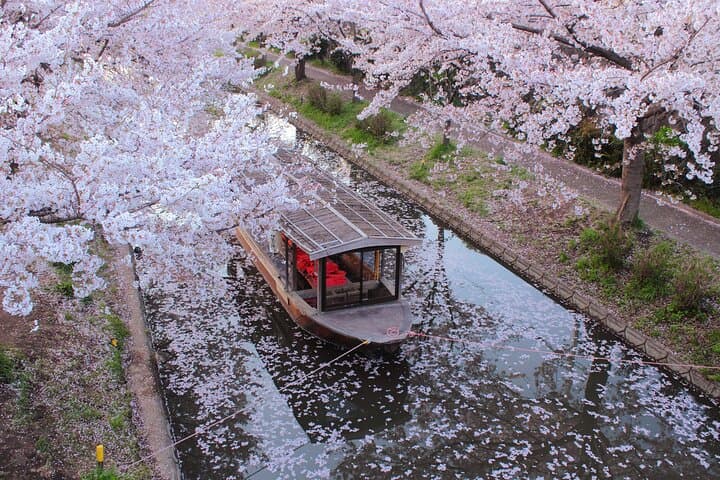
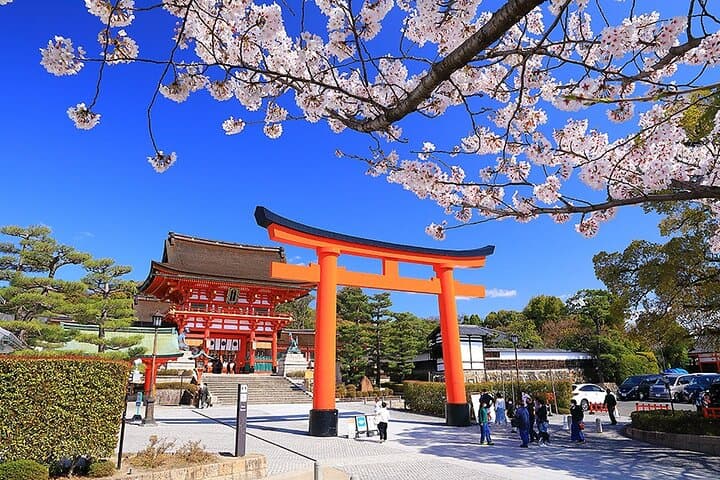
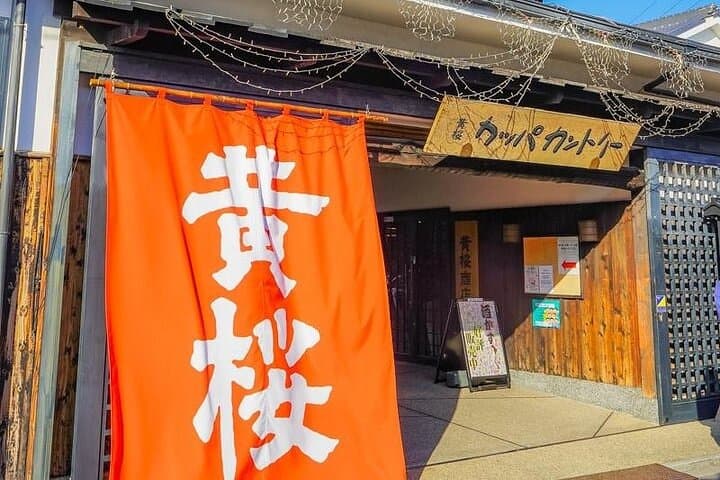
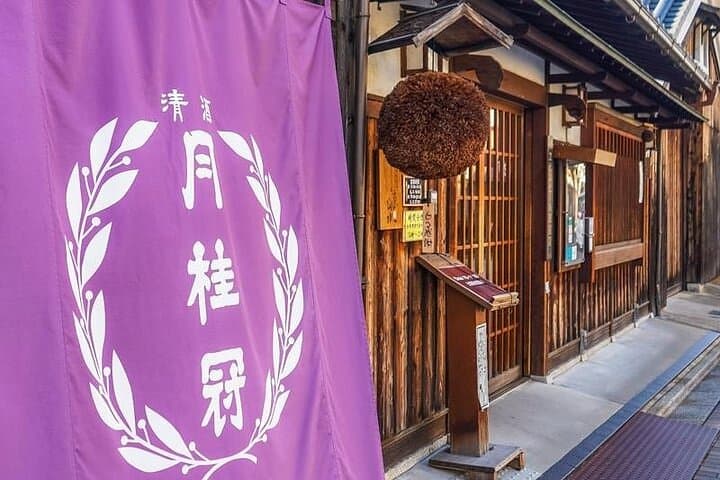
Step off the station platform and the city gives way to vermilion gates, lantern-lit alleys, and the soft exhale of cherry petals along a slow river. This six-hour route threads Fushimi Inari’s Senbon Torii into quieter shrine precincts, slips along an old kana canal by sightseeing boat, and ends among low, white-walled kura where sake barrels stack like records of local craft.
Step off the station platform and the city gives way to vermilion gates, lantern-lit alleys, and the soft exhale of cherry petals along a slow river. This six-hour route threads Fushimi Inari’s Senbon Torii into quieter shrine precincts, slips along an old kana canal by sightseeing boat, and ends among low, white-walled kura where sake barrels stack like records of local craft.
Fushimi’s link to brewing reaches back centuries: abundant groundwater and access to transport made the ward a sake-making hub from the Edo era through Meiji industrialization. The district’s geology — low-lying alluvial plains fed by the Uji tributaries — produces the soft water that brewers prize. Culture here is hands-on: temple prayers for good harvests sit beside family breweries where wooden vats and copper tools still speak of slow, seasonal work.
Expect a mix of short walks, a guided boat ride offering springtime views from the water, museum exhibits on brewing technology, and several tasting stops where you pay for drinks. The route balances mellow urban hiking with indoor brewery stops; bring a palate ready for dry, floral, and full-bodied sakes.
Practical guidance: meet at JR Kyoto Station’s Bus Ticket Center, carry cash for some vendors, and pace tastings to stay comfortable on the walk. Wear supportive shoes and a light layer for riverside breezes. If rain alters plans, operators often swap indoor brewery visits for outdoor segments. Early spring is peak bloom and busiest—book in advance and arrive 10–15 minutes early to avoid losing your private-group slot.