THE ADVENTURE COLLECTIVE® · Independent discovery and booking for outdoor travel

Experience Furnas’ steaming caldera, mineral springs, and traditional cozedo on a 4–5 hour shore excursion from Ponta Delgada. This guided tour pairs volcanic geology with local culture — bring swimwear for an optional thermal pool stop.
Experience Furnas’ steaming caldera, mineral springs, and traditional cozedo on a 4–5 hour shore excursion from Ponta Delgada. This guided tour pairs volcanic geology with local culture — bring swimwear for an optional thermal pool stop.
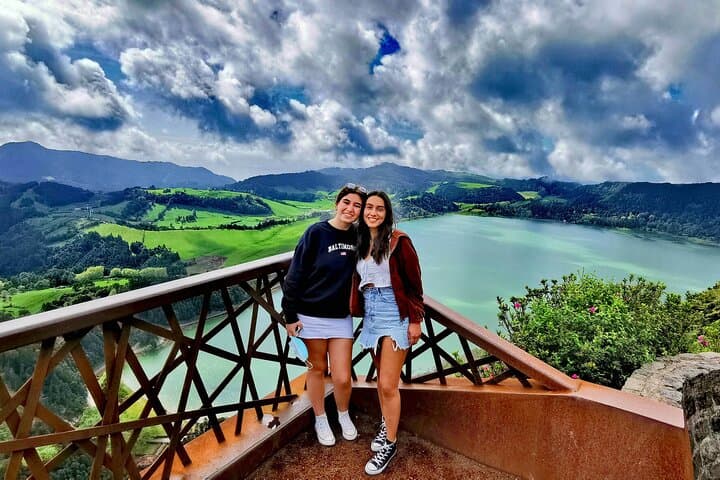
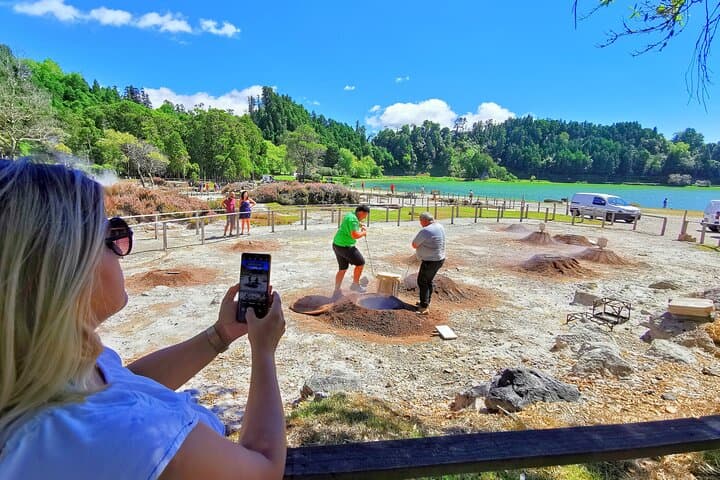
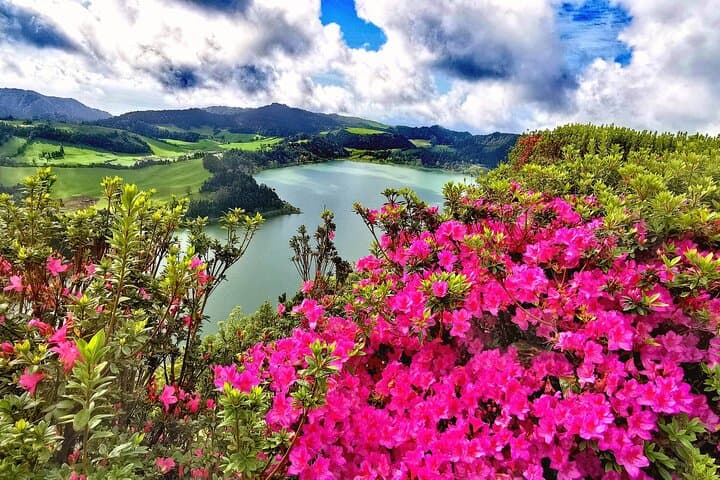
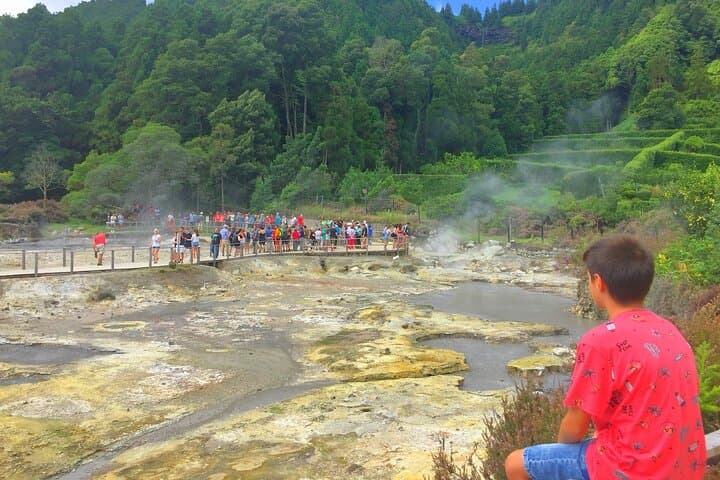
You step off the ship and the air shifts: a warm, mineral-scented breath rising from the valley, steam threading between clustered hydrangeas and black volcanic soil. The road into Furnas opens to a bowl of fumaroles, a placid lake reflecting the crater rim, and the low hiss of boilers where locals still bury pots of cozedo to cook with geothermal heat.
Verified experiences and guided adventures in the surrounding area.
Operated by Azores Dream Tours · Furnas, São Miguel
You step off the ship and the air shifts: a warm, mineral-scented breath rising from the valley, steam threading between clustered hydrangeas and black volcanic soil. The road into Furnas opens to a bowl of fumaroles, a placid lake reflecting the crater rim, and the low hiss of boilers where locals still bury pots of cozedo to cook with geothermal heat.
Geology here reads like a long, patient book — Furnas is an active volcanic caldera shaped over 100,000 years, its mineral springs classified among the richest worldwide. Cultural practice and geology intersect: the cozedo (stew) is cooked in sealed pots sunk into steam vents, and European tea plantations on São Miguel owe their microclimates to volcanic soils. Local guides link the science to daily life, explaining fumarolic chemistry between stops.
Practical side: this is a mostly easy, 4–5 hour shore excursion with short walks between viewpoints, hot-spring terraces, and a tea stop. Wear sturdy walking shoes on uneven paths, bring a light rain jacket and layers — weather shifts quickly in the Azores. If you want to bathe at Terra Nostra Park’s thermal pool, add swimwear and check entrance times; the pool isn’t included by default. Hydrate and protect electronics from steam and spray.
Timing matters: mornings are quieter at viewpoints and tea gardens, afternoons bring tour groups and stronger steam activity. Cruise passengers must provide ship and docking times at booking. Expect interpretive commentary from a local guide, easy terrain, and vivid encounters with how fire and water still shape daily life in Furnas.
easy.
4–5 hours.
Light walking ability; able to handle short uneven sections and stairs
No — the thermal pool and botanical garden are optional and typically require a separate entrance fee; confirm addition at booking.
Walks are short and easy, suitable for most fitness levels, but surfaces can be uneven and wet near fumaroles.
Operators require ship name and docking/re-boarding times at booking to coordinate logistics and ensure timely return.
Yes — the tour visits fumaroles, hot springs, and boiling pools; guides explain current activity and safety measures.
Furnas has been shaped by repeated volcanic activity for tens of thousands of years; its geothermal resources underpinned local techniques like cooking cozedo and small-scale tea cultivation.
Stay on marked paths and avoid touching fragile steam vents; local management balances tourism with protecting hydrothermal features and endemic habitats.
Azores Dream Tours operates guided outdoor trips and adventures with an emphasis on safety, stewardship, and memorable experiences.
You step off the ship and the air shifts: a warm, mineral-scented breath rising from the valley, steam threading between clustered hydrangeas and black volcanic soil. The road into Furnas opens to a bowl of fumaroles, a placid lake reflecting the crater rim, and the low hiss of boilers where locals still bury pots of cozedo to cook with geothermal heat.
You step off the ship and the air shifts: a warm, mineral-scented breath rising from the valley, steam threading between clustered hydrangeas and black volcanic soil. The road into Furnas opens to a bowl of fumaroles, a placid lake reflecting the crater rim, and the low hiss of boilers where locals still bury pots of cozedo to cook with geothermal heat.
Geology here reads like a long, patient book — Furnas is an active volcanic caldera shaped over 100,000 years, its mineral springs classified among the richest worldwide. Cultural practice and geology intersect: the cozedo (stew) is cooked in sealed pots sunk into steam vents, and European tea plantations on São Miguel owe their microclimates to volcanic soils. Local guides link the science to daily life, explaining fumarolic chemistry between stops.
Practical side: this is a mostly easy, 4–5 hour shore excursion with short walks between viewpoints, hot-spring terraces, and a tea stop. Wear sturdy walking shoes on uneven paths, bring a light rain jacket and layers — weather shifts quickly in the Azores. If you want to bathe at Terra Nostra Park’s thermal pool, add swimwear and check entrance times; the pool isn’t included by default. Hydrate and protect electronics from steam and spray.
Timing matters: mornings are quieter at viewpoints and tea gardens, afternoons bring tour groups and stronger steam activity. Cruise passengers must provide ship and docking times at booking. Expect interpretive commentary from a local guide, easy terrain, and vivid encounters with how fire and water still shape daily life in Furnas.