THE ADVENTURE COLLECTIVE® · Independent discovery and booking for outdoor travel

Spend an hour hands‑on with inquisitive alpacas just north of Christchurch. This family‑run farm tour combines feeding and cuddles with a behind‑the‑scenes look at fleece and fibre production.
Spend an hour hands‑on with inquisitive alpacas just north of Christchurch. This family‑run farm tour combines feeding and cuddles with a behind‑the‑scenes look at fleece and fibre production.
A cool morning on the Canterbury plains, and the alpacas are already curious: long necks leaning over the fence, velvet muzzles nudging your palm for pellets. The farm sits just outside Kaiapoi, twenty minutes north of Christchurch, where paddocks open like pages and the owner’s commentary guides you through animal routines, fibre production, and small‑farm life.
Verified experiences and guided adventures in the surrounding area.
Operated by Silverstream Alpaca Farm ToursAlpacas best friend · Kaiapoi, Canterbury
A cool morning on the Canterbury plains, and the alpacas are already curious: long necks leaning over the fence, velvet muzzles nudging your palm for pellets. The farm sits just outside Kaiapoi, twenty minutes north of Christchurch, where paddocks open like pages and the owner’s commentary guides you through animal routines, fibre production, and small‑farm life.
Alpaca farming in New Zealand expanded in the late 20th century as breeders chased the soft, insulating fleece now prized by local textile artisans. The ground here is flat, loamy Canterbury soil rather than rugged slopes; geology matters mostly for pasture health and drainage. Culturally, family farms in this region often combine tourism with fibre sales — expect genuine stories, a tidy trophy room, and a small shop stocked with yarn and garments.
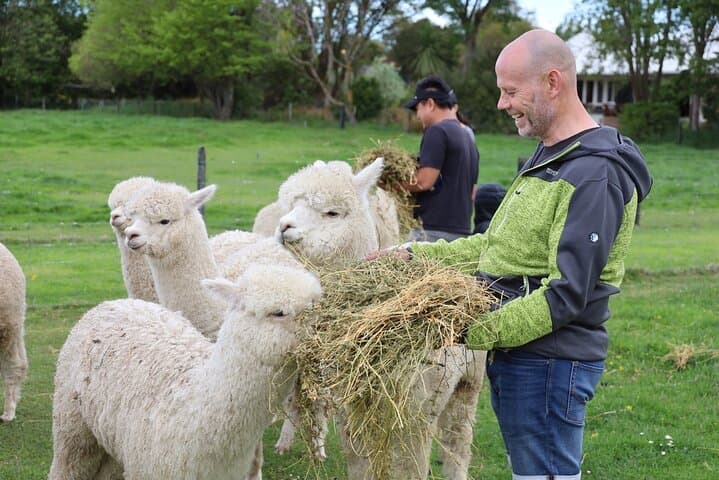
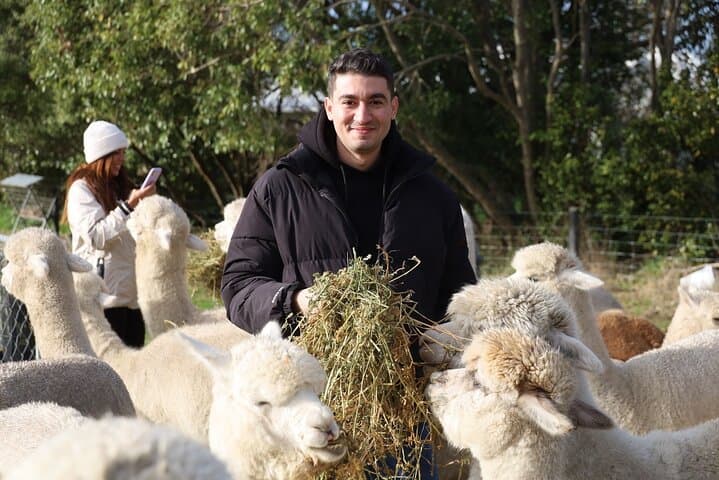
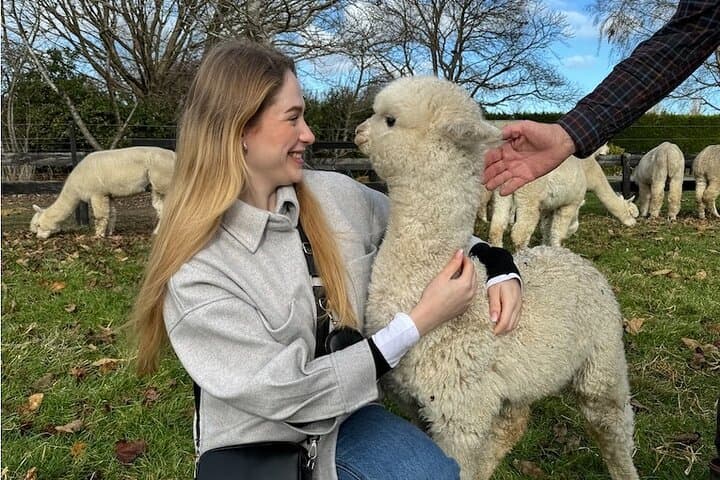
The one‑hour tour is hands‑on: feed from your palm, stroke a fleece that holds warmth like a sweater, and, when in season, cradle a cria (baby alpaca) under supervision. After the paddock walk you’ll enter the fibre shed to compare fleece grades and learn why alpaca fibre is prized for strength and softness. Gardens and short strolls let the animals reappear for photos.
Practical notes: the pace is gentle and wheelchair accessible; wear closed shoes for uneven grass, bring a light rain layer in autumn and spring, and keep cameras ready for close encounters. Tours run year‑round but baby alpacas are seasonal — check availability and book ahead to guarantee a slot.
easy.
1 hour.
Suitable for all ages and fitness levels; mostly short, flat walking on grass
The guided experience lasts about one hour, including paddock time, fleece handling, and a visit to the shop.
Yes, when babies (crias) are available children can hold them under staff supervision—availability is seasonal and handled for safety.
Yes; the farm reports wheelchair and stroller accessibility across public areas, but contact the operator in advance for specific needs.
Yes; the fibre shed and shop offer a range of yarns, garments, and souvenirs sold at farm prices.
Alpaca breeding became established in New Zealand from the 1980s onward; Canterbury farms often combine fibre production with small‑scale agritourism.
The farm practices low‑impact tourism and ethical animal handling; visitors are asked not to feed animals outside approved feed to protect diets and pasture health.
Silverstream Alpaca Farm ToursAlpacas best friend operates guided outdoor trips and adventures with an emphasis on safety, stewardship, and memorable experiences.

A cool morning on the Canterbury plains, and the alpacas are already curious: long necks leaning over the fence, velvet muzzles nudging your palm for pellets. The farm sits just outside Kaiapoi, twenty minutes north of Christchurch, where paddocks open like pages and the owner’s commentary guides you through animal routines, fibre production, and small‑farm life.
A cool morning on the Canterbury plains, and the alpacas are already curious: long necks leaning over the fence, velvet muzzles nudging your palm for pellets. The farm sits just outside Kaiapoi, twenty minutes north of Christchurch, where paddocks open like pages and the owner’s commentary guides you through animal routines, fibre production, and small‑farm life.
Alpaca farming in New Zealand expanded in the late 20th century as breeders chased the soft, insulating fleece now prized by local textile artisans. The ground here is flat, loamy Canterbury soil rather than rugged slopes; geology matters mostly for pasture health and drainage. Culturally, family farms in this region often combine tourism with fibre sales — expect genuine stories, a tidy trophy room, and a small shop stocked with yarn and garments.
The one‑hour tour is hands‑on: feed from your palm, stroke a fleece that holds warmth like a sweater, and, when in season, cradle a cria (baby alpaca) under supervision. After the paddock walk you’ll enter the fibre shed to compare fleece grades and learn why alpaca fibre is prized for strength and softness. Gardens and short strolls let the animals reappear for photos.
Practical notes: the pace is gentle and wheelchair accessible; wear closed shoes for uneven grass, bring a light rain layer in autumn and spring, and keep cameras ready for close encounters. Tours run year‑round but baby alpacas are seasonal — check availability and book ahead to guarantee a slot.