THE ADVENTURE COLLECTIVE® · Independent discovery and booking for outdoor travel

Walk the full rim of Meteor Crater on a guided 2.5-mile hike that combines geology, astronaut training history, and off-trail vantage points. Includes Discovery Center access and time for photos or lunch.
Walk the full rim of Meteor Crater on a guided 2.5-mile hike that combines geology, astronaut training history, and off-trail vantage points. Includes Discovery Center access and time for photos or lunch.
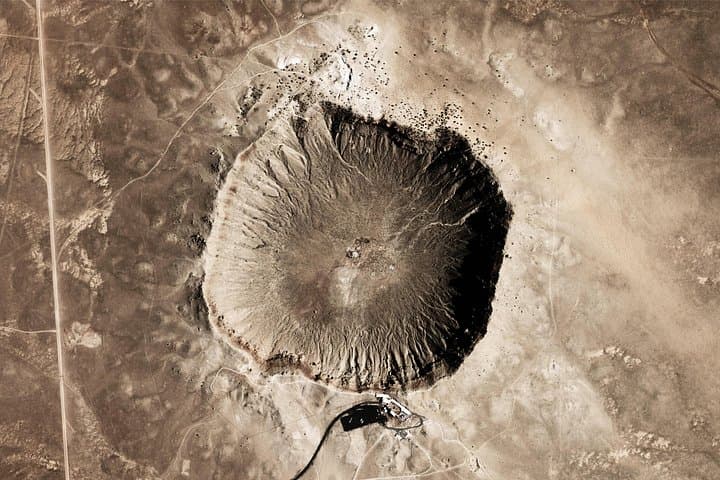
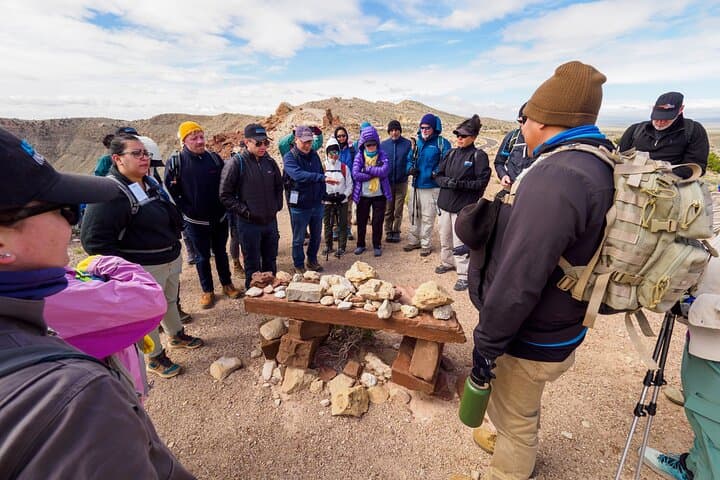
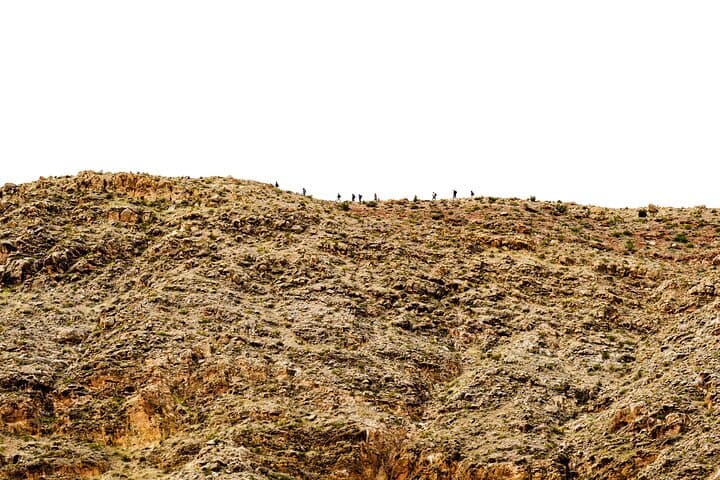
You step out from the Discovery Center and the rim takes over—the crater’s lip a hard horizon that frames the sky, its sheer bowl daring you to walk every edge. Wind moves across the open plain, and the rim trail, compacted earth with scattered shale, leads you past Picture Rock and toward ledges most visitors never see. The scale is immediate: the crater’s 3,900-foot diameter and steep inner walls fall away, making each viewpoint feel like the edge of another world.
Verified experiences and guided adventures in the surrounding area.
Operated by Meteor Crater & Barringer Space Museum · Winslow, Arizona
You step out from the Discovery Center and the rim takes over—the crater’s lip a hard horizon that frames the sky, its sheer bowl daring you to walk every edge. Wind moves across the open plain, and the rim trail, compacted earth with scattered shale, leads you past Picture Rock and toward ledges most visitors never see. The scale is immediate: the crater’s 3,900-foot diameter and steep inner walls fall away, making each viewpoint feel like the edge of another world.
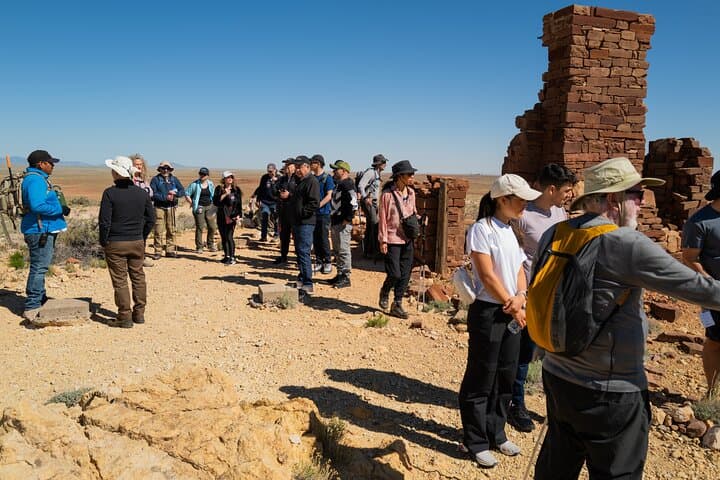
Formed roughly 50,000 years ago by an iron-nickel meteorite, Barringer (Meteor) Crater is a clear lesson in impact geology. On this 2.5-mile guided rim hike you’ll hear about ejecta blankets, preserved strata, and the mining claims that once circled the site. Guides point out astronaut training sites used in the Apollo program and the small museums and exhibits inside the Discovery Center that place the crater in scientific and cultural context.
Expect uneven trail surfaces, occasional short scrambles to reach secret ledges, and sustained exposure to sun and wind. The tour includes Discovery Center admission and a guided narrative—arrive 20 minutes early for check-in and a required waiver. Bring 1–2 liters of water, sunscreen, sturdy boots, and a light windlayer; hikers should be comfortable on rocky, exposed terrain and be prepared for a 2–3 hour outing. Photography stops are frequent, and there’s time afterward for the Mining Café or the museum’s 4D presentation.
This route rewards curiosity: listen for the wind in the rim’s gullies, and let the guide tie field observations to broad planetary processes—practical, hands-on learning at one of North America’s best-preserved impact sites.
challenging.
2–3 hours.
High level of fitness recommended—comfortable with sustained hiking on uneven, exposed terrain.
The guided rim hike covers about 2.5 miles over 2–3 hours with uneven, exposed terrain; participants should have a high level of fitness.
Yes—this tour includes access to the Visitor Center and museum exhibits, plus the guided rim hike.
Children are allowed but the tour is recommended for experienced hikers due to trail exposure and required fitness; check with the operator for age guidance.
Yes—guests must present a ticket, sign a waiver, and arrive 15–20 minutes early to complete check-in at the box office.
Known as Barringer Crater, this impact site was the first in the world proven to be created by a meteorite and later used for astronaut field training during the Apollo era.
The crater’s desert soils and rim vegetation are fragile—stay on designated trails, avoid collecting rocks, and follow Leave No Trace principles to protect the site.
Meteor Crater & Barringer Space Museum operates guided outdoor trips and adventures with an emphasis on safety, stewardship, and memorable experiences.
You step out from the Discovery Center and the rim takes over—the crater’s lip a hard horizon that frames the sky, its sheer bowl daring you to walk every edge. Wind moves across the open plain, and the rim trail, compacted earth with scattered shale, leads you past Picture Rock and toward ledges most visitors never see. The scale is immediate: the crater’s 3,900-foot diameter and steep inner walls fall away, making each viewpoint feel like the edge of another world.
You step out from the Discovery Center and the rim takes over—the crater’s lip a hard horizon that frames the sky, its sheer bowl daring you to walk every edge. Wind moves across the open plain, and the rim trail, compacted earth with scattered shale, leads you past Picture Rock and toward ledges most visitors never see. The scale is immediate: the crater’s 3,900-foot diameter and steep inner walls fall away, making each viewpoint feel like the edge of another world.
Formed roughly 50,000 years ago by an iron-nickel meteorite, Barringer (Meteor) Crater is a clear lesson in impact geology. On this 2.5-mile guided rim hike you’ll hear about ejecta blankets, preserved strata, and the mining claims that once circled the site. Guides point out astronaut training sites used in the Apollo program and the small museums and exhibits inside the Discovery Center that place the crater in scientific and cultural context.
Expect uneven trail surfaces, occasional short scrambles to reach secret ledges, and sustained exposure to sun and wind. The tour includes Discovery Center admission and a guided narrative—arrive 20 minutes early for check-in and a required waiver. Bring 1–2 liters of water, sunscreen, sturdy boots, and a light windlayer; hikers should be comfortable on rocky, exposed terrain and be prepared for a 2–3 hour outing. Photography stops are frequent, and there’s time afterward for the Mining Café or the museum’s 4D presentation.
This route rewards curiosity: listen for the wind in the rim’s gullies, and let the guide tie field observations to broad planetary processes—practical, hands-on learning at one of North America’s best-preserved impact sites.