THE ADVENTURE COLLECTIVE® · Independent discovery and booking for outdoor travel

Experience Cappadocia under full-moon light on a 2–3 hour guided walk through the Red and Rose valleys. This night hike blends geology, Byzantine history and quiet lunar landscapes with practical, small-group guidance.
Experience Cappadocia under full-moon light on a 2–3 hour guided walk through the Red and Rose valleys. This night hike blends geology, Byzantine history and quiet lunar landscapes with practical, small-group guidance.
Moonlight slices across the volcanic ridges as you step off the last lit road and into the hush of Cappadocia’s Red and Rose valleys. The moon makes the tuff glow pale pink and silver; shadows lengthen behind fairy chimneys and abandoned cave houses. This is a walking rhythm measured by soft steps on packed volcanic soil and the occasional crunch of loose pumice.
Verified experiences and guided adventures in the surrounding area.
Operated by AND Travel Consulting · Göreme, Nevşehir Province
Moonlight slices across the volcanic ridges as you step off the last lit road and into the hush of Cappadocia’s Red and Rose valleys. The moon makes the tuff glow pale pink and silver; shadows lengthen behind fairy chimneys and abandoned cave houses. This is a walking rhythm measured by soft steps on packed volcanic soil and the occasional crunch of loose pumice.
Geology here reads like a slow, public work of art: ash and lava from ancient eruptions compacted into tuff, later carved by wind and water into ridges, chimneys and hidden alcoves. Human history is layered into those forms—Byzantine-era churches and cave homes cut into the same soft rock, frescoed interiors that once sheltered communities and pilgrims.
On a full-moon night the landscape acquires a different set of textures; trails are clearer yet deceptive, crevices stealing depth. Cultural notes: the area around Göreme has been inhabited for millennia and local guides often point out Byzantine carvings, pigeon houses, and old shepherd paths.
Practical guidance: expect 2–3 hours of walking over 5–7 km of uneven, sometimes steep footpaths with roughly 150–250 m cumulative elevation gain. Footing can be loose; bring a headlamp and layered clothing for desert-like temperature swings. Hydrate before the walk; a short pause for hot mulled wine or tea may be offered by guides at a scenic break.
Timing matters: arrive early to acclimate and silence devices; move slowly on descents and give photographers space. The result is a silent, lunar-lit corridor through rock and history—a nightwalk that feels intimate, safe when led by an experienced guide, and oddly timeless.
moderate.
2–3 hours.
Suitable for most hikers with basic fitness—comfortable walking for several hours and stable footing on uneven ground is recommended.
Yes—routes are low technical difficulty and guides keep a steady pace, but participants should be comfortable walking 2–3 hours on uneven terrain.
Yes; while the moon provides ambient light, a headlamp ensures safe footing on narrow or rocky sections and is required for group safety.
Balloons fly at sunrise, not at night—the full-moon walk focuses on lunar views, rock formations and quiet valleys without balloon activity.
Guided walks significantly improve safety and interpretive value—guides know the best routes, historic points and how to navigate tricky sections after dark.
The soft volcanic tuff here formed from eruptions of the Erciyes and Hasan volcanic systems; people later carved churches and homes into the rock, some bearing Byzantine frescoes.
The tuff erodes easily—stick to marked paths, avoid touching frescoes and minimize light and noise to reduce impacts on wildlife and heritage sites.
AND Travel Consulting operates guided outdoor trips and adventures with an emphasis on safety, stewardship, and memorable experiences.
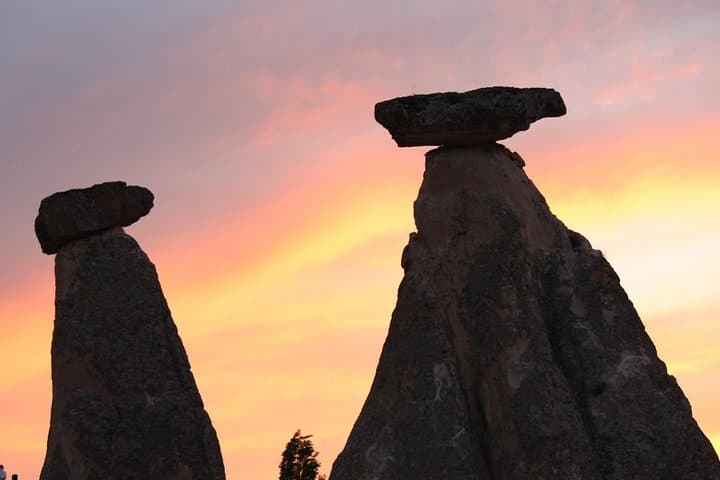
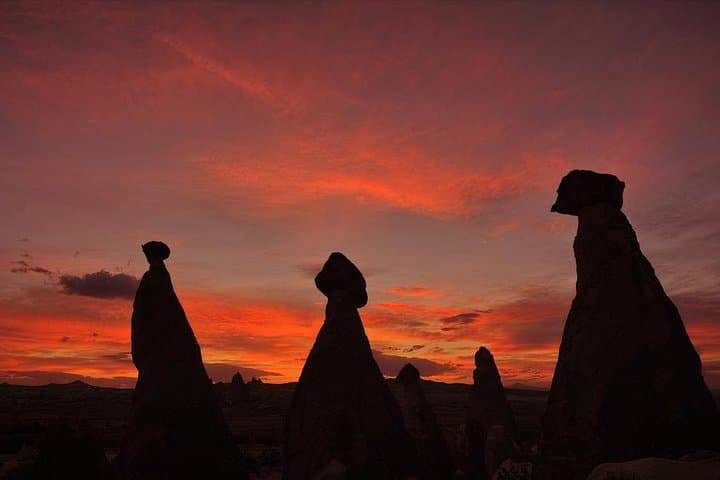
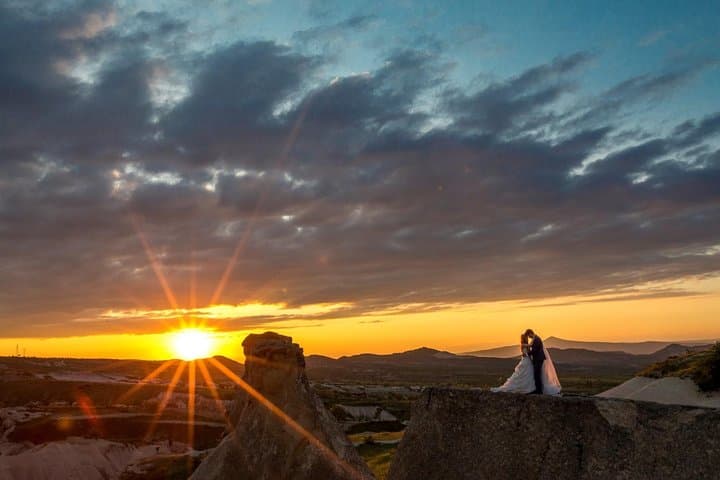
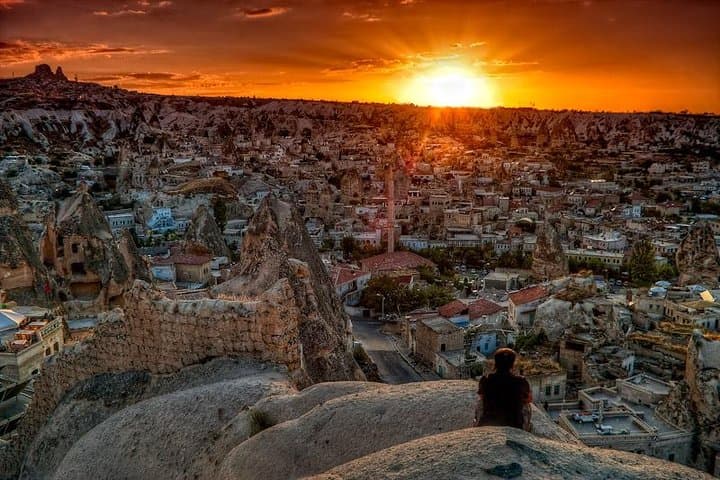
Moonlight slices across the volcanic ridges as you step off the last lit road and into the hush of Cappadocia’s Red and Rose valleys. The moon makes the tuff glow pale pink and silver; shadows lengthen behind fairy chimneys and abandoned cave houses. This is a walking rhythm measured by soft steps on packed volcanic soil and the occasional crunch of loose pumice.
Moonlight slices across the volcanic ridges as you step off the last lit road and into the hush of Cappadocia’s Red and Rose valleys. The moon makes the tuff glow pale pink and silver; shadows lengthen behind fairy chimneys and abandoned cave houses. This is a walking rhythm measured by soft steps on packed volcanic soil and the occasional crunch of loose pumice.
Geology here reads like a slow, public work of art: ash and lava from ancient eruptions compacted into tuff, later carved by wind and water into ridges, chimneys and hidden alcoves. Human history is layered into those forms—Byzantine-era churches and cave homes cut into the same soft rock, frescoed interiors that once sheltered communities and pilgrims.
On a full-moon night the landscape acquires a different set of textures; trails are clearer yet deceptive, crevices stealing depth. Cultural notes: the area around Göreme has been inhabited for millennia and local guides often point out Byzantine carvings, pigeon houses, and old shepherd paths.
Practical guidance: expect 2–3 hours of walking over 5–7 km of uneven, sometimes steep footpaths with roughly 150–250 m cumulative elevation gain. Footing can be loose; bring a headlamp and layered clothing for desert-like temperature swings. Hydrate before the walk; a short pause for hot mulled wine or tea may be offered by guides at a scenic break.
Timing matters: arrive early to acclimate and silence devices; move slowly on descents and give photographers space. The result is a silent, lunar-lit corridor through rock and history—a nightwalk that feels intimate, safe when led by an experienced guide, and oddly timeless.