THE ADVENTURE COLLECTIVE® · Independent discovery and booking for outdoor travel

A high‑altitude pilgrimage that pairs long drives from Kathmandu with a multi‑day kora around Mount Kailash and a visit to Lake Mansarovar. Expect steep passes, thin air, sacred sites and basic lodgings — best for fit, well‑acclimatized travelers.
A high‑altitude pilgrimage that pairs long drives from Kathmandu with a multi‑day kora around Mount Kailash and a visit to Lake Mansarovar. Expect steep passes, thin air, sacred sites and basic lodgings — best for fit, well‑acclimatized travelers.
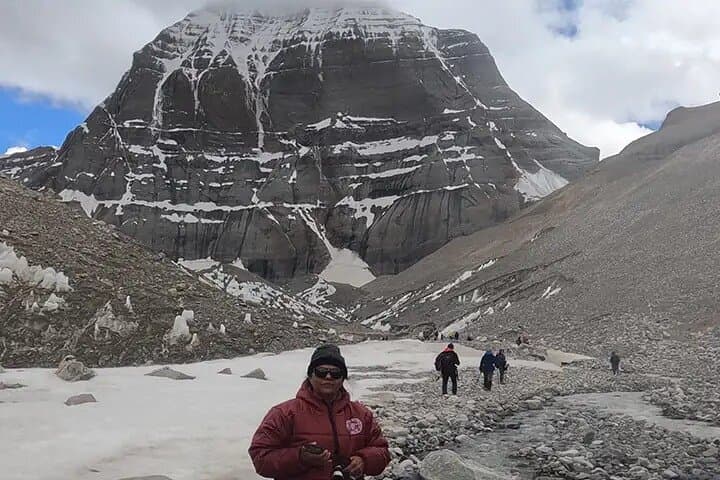
A hush falls as the jeep drops you at Darchen’s dusty edge and the first glance of Mount Kailash slices the skyline — raw rock and wind, a mountain that insists on reverence.
Verified experiences and guided adventures in the surrounding area.
Operated by Nepal Footprint Holiday Treks - Day Tours · Darchen, Tibet Autonomous Region
A hush falls as the jeep drops you at Darchen’s dusty edge and the first glance of Mount Kailash slices the skyline — raw rock and wind, a mountain that insists on reverence.
This 16‑day pilgrimage begins and ends in Kathmandu but lives at high altitude: Lake Mansarovar sits around 4,590 m while the Dolma‑La saddle tops out at about 5,630 m and Mount Kailash itself reaches 6,638 m. The core experience is the kora — a multi‑day circuit of roughly 50–55 km — split into stages that range from 13 km approaches along compacted trails to a long, demanding 22 km day over steep switchbacks and loose scree to cross Dolma‑La.
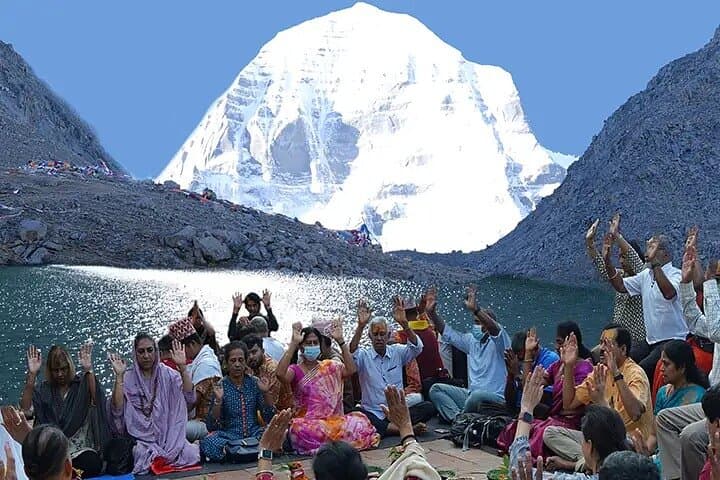
Geology here is stark: uplifted sedimentary layers folded into the iconic pyramidal peak; the region’s high plateau weather alternates bright sun with whip‑sharp winds. Culturally the route threads Hindu, Buddhist and Bon traditions — pilgrims offer prayers at Gauri Kund and Ganesh Kund and often perform prostrations along the way.
Practical reality matters: expect thin air, rocky terrain, cold nights in dormitory lodges and long driving days across remote highways. Allow time to acclimatize in Kathmandu and at Kerung/Rasuwagadhi, pack layers, and plan for permits and border formalities when entering Tibet from Nepal.
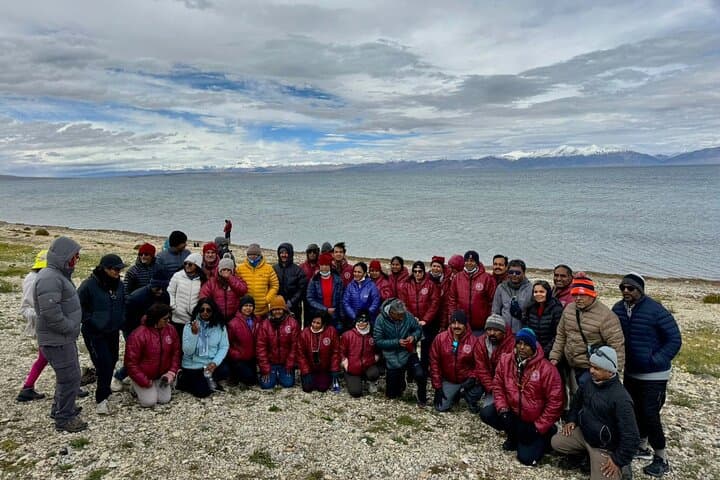
Hydrate, move steadily on the Dolma‑La ascent, and give the landscape the attention it demands: Mansarovar’s glassy surface and Kailash’s isolated silhouette reward patience more than haste.
challenging.
12–14 days of active trekking within a 16‑day program.
Good aerobic fitness and prior high‑altitude hiking experience recommended; comfortable walking 10–22 km on uneven terrain at 4,500–5,600 m.
Yes — travel into Tibet from Nepal requires Chinese visa(s) and a Tibet Travel Permit; the operator handles group permit paperwork but confirm document and timing requirements well in advance.
The Dolma‑La day is the toughest: about 22 km with steep, loose sections and a climb to ~5,630 m; go slow, use poles and monitor for altitude symptoms.
Expect a mix of 3–4 star hotels in larger towns and basic dormitory‑style lodges or mud houses near Manasarovar and along the kora; hot meals are provided but facilities are simple.
Acclimatize gradually, avoid heavy exertion upon arrival, stay hydrated, sleep higher when possible and consider prophylactic medication after consulting a physician.
Mount Kailash is revered across Hinduism, Buddhism, Jainism and Bon; pilgrims have circumambulated its base for centuries seeking purification and spiritual merit.
Mansarovar and the surrounding plateau are fragile high‑altitude wetlands — stick to marked paths, avoid leaving waste, and respect local grazing and water resources.
Nepal Footprint Holiday Treks - Day Tours operates guided outdoor trips and adventures with an emphasis on safety, stewardship, and memorable experiences.
A hush falls as the jeep drops you at Darchen’s dusty edge and the first glance of Mount Kailash slices the skyline — raw rock and wind, a mountain that insists on reverence.
A hush falls as the jeep drops you at Darchen’s dusty edge and the first glance of Mount Kailash slices the skyline — raw rock and wind, a mountain that insists on reverence.
This 16‑day pilgrimage begins and ends in Kathmandu but lives at high altitude: Lake Mansarovar sits around 4,590 m while the Dolma‑La saddle tops out at about 5,630 m and Mount Kailash itself reaches 6,638 m. The core experience is the kora — a multi‑day circuit of roughly 50–55 km — split into stages that range from 13 km approaches along compacted trails to a long, demanding 22 km day over steep switchbacks and loose scree to cross Dolma‑La.
Geology here is stark: uplifted sedimentary layers folded into the iconic pyramidal peak; the region’s high plateau weather alternates bright sun with whip‑sharp winds. Culturally the route threads Hindu, Buddhist and Bon traditions — pilgrims offer prayers at Gauri Kund and Ganesh Kund and often perform prostrations along the way.
Practical reality matters: expect thin air, rocky terrain, cold nights in dormitory lodges and long driving days across remote highways. Allow time to acclimatize in Kathmandu and at Kerung/Rasuwagadhi, pack layers, and plan for permits and border formalities when entering Tibet from Nepal.
Hydrate, move steadily on the Dolma‑La ascent, and give the landscape the attention it demands: Mansarovar’s glassy surface and Kailash’s isolated silhouette reward patience more than haste.