THE ADVENTURE COLLECTIVE® · Independent discovery and booking for outdoor travel

Spend a full day on the Giza Plateau: climb inside the Great Pyramid, see the reconstructed Solar Boat, and finish with a camel ride and panoramic views. This guided tour bundles logistics so you can focus on the monuments, not the map.
Spend a full day on the Giza Plateau: climb inside the Great Pyramid, see the reconstructed Solar Boat, and finish with a camel ride and panoramic views. This guided tour bundles logistics so you can focus on the monuments, not the map.
The sun lifts a pale gold haze over the limestone plateau as the Great Pyramid first pierces the air — a hulking geometry that seems to measure time itself. Visitors move from shadow into heat, past weathered blocks that still smell faintly of sand and oil from ancient rituals. A qualified Egyptologist guides the group through narrow corridors, to the Solar Boat resting in its pit, and out again onto the sweep of the necropolis where camels wait with patient, swaying dignity.
Verified experiences and guided adventures in the surrounding area.
Operated by My Cairo Tours · Giza, Giza Governorate
The sun lifts a pale gold haze over the limestone plateau as the Great Pyramid first pierces the air — a hulking geometry that seems to measure time itself. Visitors move from shadow into heat, past weathered blocks that still smell faintly of sand and oil from ancient rituals. A qualified Egyptologist guides the group through narrow corridors, to the Solar Boat resting in its pit, and out again onto the sweep of the necropolis where camels wait with patient, swaying dignity.
This is a walk through 4,500 years of human endeavour: Khufu’s pyramid built from quarried limestone, the nearby queen pyramids marking familial plots, and the Sphinx carved from a single ridge of bedrock. Geologically, the plateau is compacted Miocene limestone; its seams and bedding planes shaped how tombs were cut and how erosion now patterns the stones. Culturally, the site remains active — modern vendors, local guides, and conservation teams share the frame with ancient kings.
Practical guidance: expect 2–4 miles of walking on sand and uneven rock across roughly six hours; mornings are vastly cooler and less crowded. Bring sun protection, at least 1 L of water, and modest clothing out of respect for local norms. If you plan to enter the Great Pyramid, note the internal passageways are steep and confined; check accessibility and health considerations in advance. Photography is widespread but follow posted rules around artifacts and museum displays.
The tour pairs spectacle with logistics: private transport, bottled water and lunch, and hotel pickup streamline the day so travelers can move from awe to comfort without losing the moment.
moderate.
6 hours.
Light to moderate fitness; able to walk 2–4 miles on uneven ground, manage stairs and short climbs, and tolerate heat.
Yes — the tour includes hotel pickup and drop-off by private van; confirm your pickup point when booking.
The itinerary notes entry is included, but access can be limited for safety or conservation; bring ID and be prepared for steep, confined passageways.
Camel rides are generally safe but involve mounting and unmounting from a height; inform the operator of any mobility issues and wear closed-toe shoes.
Tipping is customary in Egypt; plan a modest tip for your Egyptologist guide and driver if service meets expectations.
The Great Pyramid was completed around 2560 BCE for Pharaoh Khufu; the Solar Boat was buried nearby to transport the king in the afterlife.
High visitor numbers and wind-blown sand accelerate wear; follow site rules, avoid touching masonry, and support licensed guides and conservation fees when available.
My Cairo Tours operates guided outdoor trips and adventures with an emphasis on safety, stewardship, and memorable experiences.
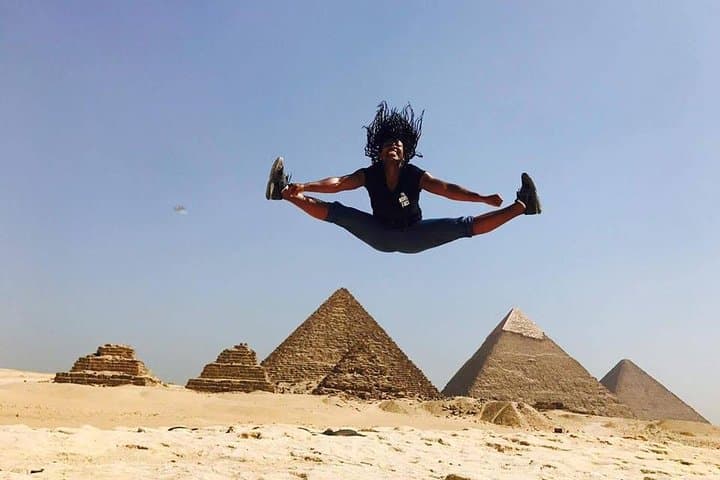
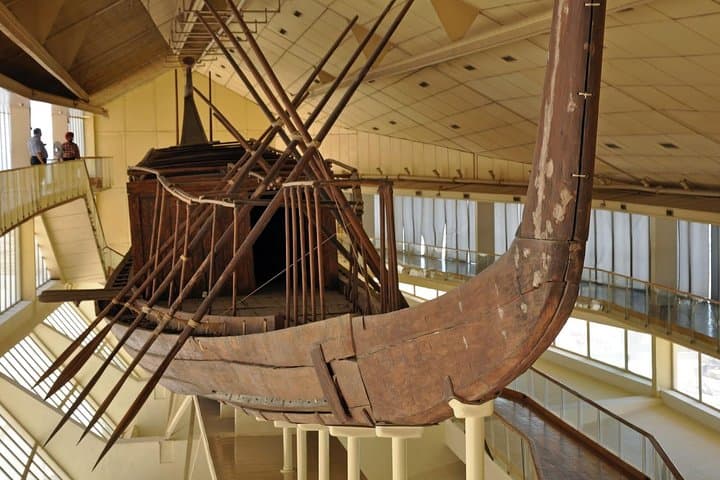
The sun lifts a pale gold haze over the limestone plateau as the Great Pyramid first pierces the air — a hulking geometry that seems to measure time itself. Visitors move from shadow into heat, past weathered blocks that still smell faintly of sand and oil from ancient rituals. A qualified Egyptologist guides the group through narrow corridors, to the Solar Boat resting in its pit, and out again onto the sweep of the necropolis where camels wait with patient, swaying dignity.
The sun lifts a pale gold haze over the limestone plateau as the Great Pyramid first pierces the air — a hulking geometry that seems to measure time itself. Visitors move from shadow into heat, past weathered blocks that still smell faintly of sand and oil from ancient rituals. A qualified Egyptologist guides the group through narrow corridors, to the Solar Boat resting in its pit, and out again onto the sweep of the necropolis where camels wait with patient, swaying dignity.
This is a walk through 4,500 years of human endeavour: Khufu’s pyramid built from quarried limestone, the nearby queen pyramids marking familial plots, and the Sphinx carved from a single ridge of bedrock. Geologically, the plateau is compacted Miocene limestone; its seams and bedding planes shaped how tombs were cut and how erosion now patterns the stones. Culturally, the site remains active — modern vendors, local guides, and conservation teams share the frame with ancient kings.
Practical guidance: expect 2–4 miles of walking on sand and uneven rock across roughly six hours; mornings are vastly cooler and less crowded. Bring sun protection, at least 1 L of water, and modest clothing out of respect for local norms. If you plan to enter the Great Pyramid, note the internal passageways are steep and confined; check accessibility and health considerations in advance. Photography is widespread but follow posted rules around artifacts and museum displays.
The tour pairs spectacle with logistics: private transport, bottled water and lunch, and hotel pickup streamline the day so travelers can move from awe to comfort without losing the moment.