THE ADVENTURE COLLECTIVE® · Independent discovery and booking for outdoor travel

Spend a full day moving from aromatic spice farms to the short island hop of Prison Island and the winding alleys of Stone Town. This combined tour mixes botany, history and easy island boating with ample chances to meet Zanzibar’s famed giant tortoises.
Spend a full day moving from aromatic spice farms to the short island hop of Prison Island and the winding alleys of Stone Town. This combined tour mixes botany, history and easy island boating with ample chances to meet Zanzibar’s famed giant tortoises.
Morning light slides across the coral-stone alleys of Stone Town as you meet your guide and step into a city that still wears its past on the walls.
Verified experiences and guided adventures in the surrounding area.
Operated by Experience Zanzibar Tours & Safaris · Stone Town, Zanzibar
Morning light slides across the coral-stone alleys of Stone Town as you meet your guide and step into a city that still wears its past on the walls.
The day begins inland at working spice farms where cloves, cinnamon and nutmeg lift warm, sharp scents into the air; you taste fruit you may never have seen before and learn how these crops shaped Zanzibar’s role in the Indian Ocean trade. Geologically, the island is built on uplifted coral and limestone—soft rock that carved the maze of narrow lanes and created the shallow, turquoise rim around Prison Island.
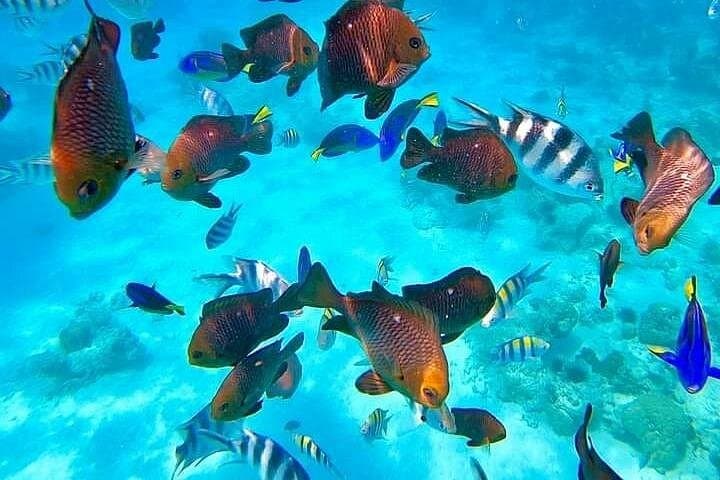
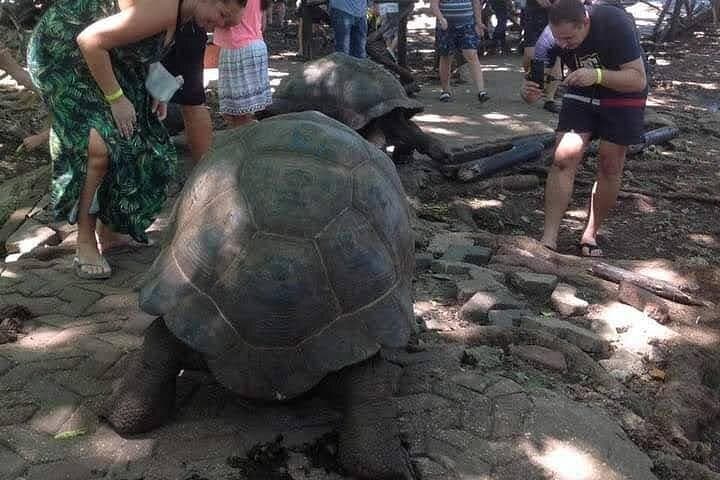
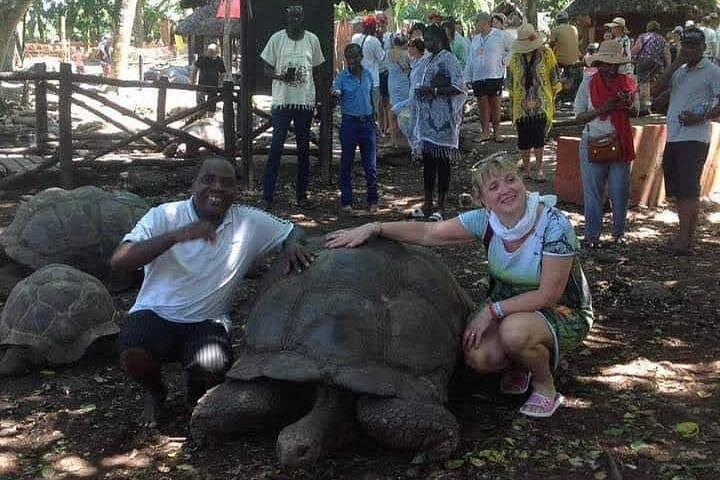
From Forodhani Park you board a short boat crossing; the sea often teases with a playful chop, the current nudging the hull. Prison Island (Changuu) holds a small colony of Aldabra tortoises, long-lived imports from the Seychelles, and low, scrubby vegetation adapted to salty, sun-baked soil. Back in Stone Town, brass-studded wooden doors, Omani and Swahili architecture, and market rhythms reflect a layered culture of Arab, African and European influences.
Practical guidance: expect a full day—plan for 10–13 hours including transit and boat time. Wear sturdy, breathable walking shoes for uneven paving and boardings, bring sun protection and a refillable water bottle; boats can be exposed and the sun is strong. Carry modest clothing for mosque-adjacent areas and a light swimming kit if you want to cool off near Prison Island. Cameras will capture carved doors and ancient stone, but also bring small change for market purchases and local guides. Time your visit outside midday heat where possible and let the island’s pace set yours—curious, steady, and observant.
easy.
10–13 hours.
Suitable for most fitness levels; requires repeated short walks, boat boarding and standing during tours.
The itinerary runs about 10–13 hours total, including transfers, a spice farm visit, a boat trip to Prison Island and time in Stone Town.
The crossing is short but can be choppy; bring motion-sickness medication if you’re prone to nausea—quiet mornings usually offer calmer water.
The tour lists bottled water, snacks and lunch as included—tell your operator any dietary restrictions when booking.
The activity is rated easy and family-friendly, but it is not recommended for travelers with serious spinal, cardiovascular issues or pregnant travelers per provider guidance.
Stone Town was a key hub in Indian Ocean trade; its architecture reflects centuries of Arab, Persian and European influence and the island’s spice economy.
Tortoise populations are protected but remain vulnerable to habitat pressure and tourism impacts; avoid feeding wildlife and use reef-safe sunscreen when swimming.
Experience Zanzibar Tours & Safaris operates guided outdoor trips and adventures with an emphasis on safety, stewardship, and memorable experiences.
Morning light slides across the coral-stone alleys of Stone Town as you meet your guide and step into a city that still wears its past on the walls.
Morning light slides across the coral-stone alleys of Stone Town as you meet your guide and step into a city that still wears its past on the walls.
The day begins inland at working spice farms where cloves, cinnamon and nutmeg lift warm, sharp scents into the air; you taste fruit you may never have seen before and learn how these crops shaped Zanzibar’s role in the Indian Ocean trade. Geologically, the island is built on uplifted coral and limestone—soft rock that carved the maze of narrow lanes and created the shallow, turquoise rim around Prison Island.
From Forodhani Park you board a short boat crossing; the sea often teases with a playful chop, the current nudging the hull. Prison Island (Changuu) holds a small colony of Aldabra tortoises, long-lived imports from the Seychelles, and low, scrubby vegetation adapted to salty, sun-baked soil. Back in Stone Town, brass-studded wooden doors, Omani and Swahili architecture, and market rhythms reflect a layered culture of Arab, African and European influences.
Practical guidance: expect a full day—plan for 10–13 hours including transit and boat time. Wear sturdy, breathable walking shoes for uneven paving and boardings, bring sun protection and a refillable water bottle; boats can be exposed and the sun is strong. Carry modest clothing for mosque-adjacent areas and a light swimming kit if you want to cool off near Prison Island. Cameras will capture carved doors and ancient stone, but also bring small change for market purchases and local guides. Time your visit outside midday heat where possible and let the island’s pace set yours—curious, steady, and observant.