THE ADVENTURE COLLECTIVE® · Independent discovery and booking for outdoor travel

Spend a full day moving from Stone Town’s carved doors to a rural spice farm, then cook a traditional Zanzibari lunch. This private tour combines history, market foraging and hands-on cooking in a single, flavor-rich day.
Spend a full day moving from Stone Town’s carved doors to a rural spice farm, then cook a traditional Zanzibari lunch. This private tour combines history, market foraging and hands-on cooking in a single, flavor-rich day.
The sea breeze from the Indian Ocean threads through Stone Town’s narrow lanes, carrying the sharp lift of cloves and cardamom that seems to gather at every doorway.
Verified experiences and guided adventures in the surrounding area.
Operated by Zanziflowers Tours And Safaris · Stone Town, Zanzibar
The sea breeze from the Indian Ocean threads through Stone Town’s narrow lanes, carrying the sharp lift of cloves and cardamom that seems to gather at every doorway.
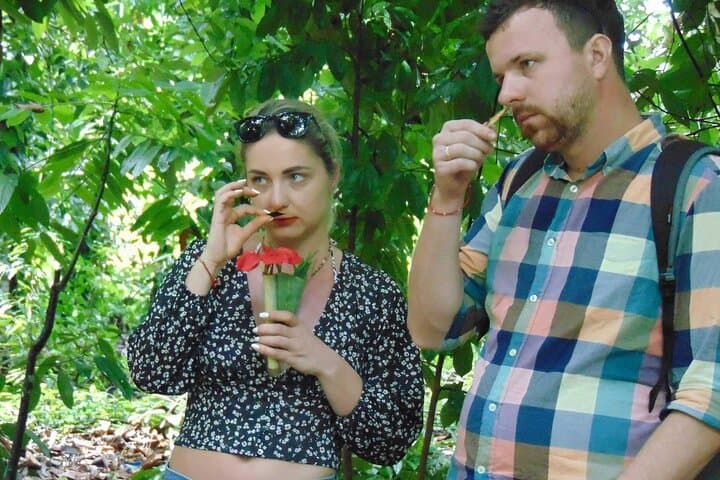
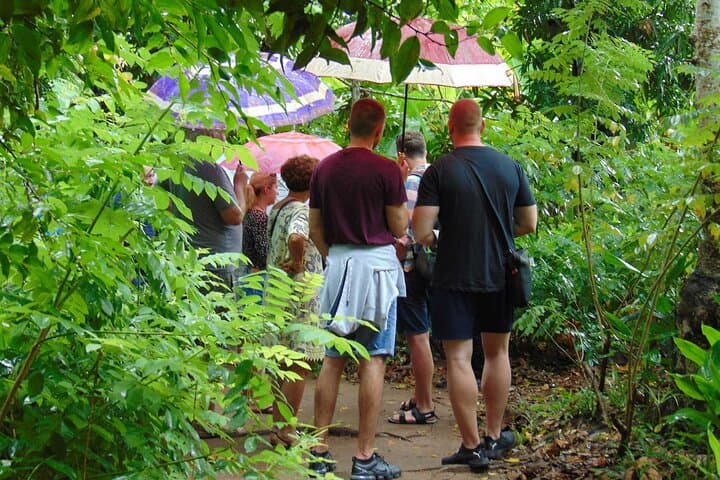
You begin amid coral-stone buildings and carved wooden doors — remnants of Omani sultans and a centuries-old spice economy — before moving out to a family-run spice farm where pepper vines and cinnamon bark have their own slow, stubborn life. At Darajani market, the chaos of fish, fruit and fresh herbs teaches you how local cooks choose ingredients; later the spice farm’s soil and sun explain why Zanzibar mattered on global trade routes.
Stone Town’s streets tell history plainly: Swahili, Arab, Persian and European layers, slave-era sites, the Sultan’s Palace and Freddie Mercury’s former home all stand within walking distance. Geologically, the island’s coral rag supports the low, porous masonry and the mangrove-fringed coast nearby.
Practically: this is a long, private full-day (about 9–12 hours) of walking, market bargaining, and a hands-on cooking session in a traditional home. Expect uneven cobbles, constant sun, and flavorful but potent spices; if you have allergies, disclose them ahead of time.
Bring a refillable water bottle, sunscreen and modest clothing for respectful visits. Plan to buy small, locally made spices and soaps directly from farmers — it supports community businesses and gives you the clearest taste of Zanzibar’s living trade.
By day’s end you’ll leave with recipes, a pocket of purchased spices, and a clearer sense of why this island’s scent once reshaped global maps.
moderate.
9–12 hours.
You should be comfortable standing and walking several miles across uneven surfaces in heat; basic stamina is enough.
Yes — the tour includes a spice-infused lunch prepared during the cooking class and drinks as stated in the itinerary.
Pickup and drop-off are included for hotels in and around Stone Town; confirm your pickup point when booking.
Expect moderate walking on narrow, often uneven streets and short farm trails; the tour is suitable for all fitness levels but long in duration.
Yes — vendors and farmers sell spices, soaps and crafts directly; bargaining is common but do so respectfully and in small increments.
Zanzibar has been a crossroads of Swahili, Arab and European trade for centuries; the spice trade and Omani sultans shaped its architecture, economy and culture.
Buy spices and crafts from community cooperatives and smallholders to support sustainable livelihoods; avoid single-use plastics and respect fragile coastal and mangrove zones.
Zanziflowers Tours And Safaris operates guided outdoor trips and adventures with an emphasis on safety, stewardship, and memorable experiences.


The sea breeze from the Indian Ocean threads through Stone Town’s narrow lanes, carrying the sharp lift of cloves and cardamom that seems to gather at every doorway.
The sea breeze from the Indian Ocean threads through Stone Town’s narrow lanes, carrying the sharp lift of cloves and cardamom that seems to gather at every doorway.
You begin amid coral-stone buildings and carved wooden doors — remnants of Omani sultans and a centuries-old spice economy — before moving out to a family-run spice farm where pepper vines and cinnamon bark have their own slow, stubborn life. At Darajani market, the chaos of fish, fruit and fresh herbs teaches you how local cooks choose ingredients; later the spice farm’s soil and sun explain why Zanzibar mattered on global trade routes.
Stone Town’s streets tell history plainly: Swahili, Arab, Persian and European layers, slave-era sites, the Sultan’s Palace and Freddie Mercury’s former home all stand within walking distance. Geologically, the island’s coral rag supports the low, porous masonry and the mangrove-fringed coast nearby.
Practically: this is a long, private full-day (about 9–12 hours) of walking, market bargaining, and a hands-on cooking session in a traditional home. Expect uneven cobbles, constant sun, and flavorful but potent spices; if you have allergies, disclose them ahead of time.
Bring a refillable water bottle, sunscreen and modest clothing for respectful visits. Plan to buy small, locally made spices and soaps directly from farmers — it supports community businesses and gives you the clearest taste of Zanzibar’s living trade.
By day’s end you’ll leave with recipes, a pocket of purchased spices, and a clearer sense of why this island’s scent once reshaped global maps.