THE ADVENTURE COLLECTIVE® · Independent discovery and booking for outdoor travel

A single, busy day moves from island beaches and slow-moving Aldabra tortoises to Stone Town’s winding streets and a fragrant spice farm lunch. Expect boat transfers, two hours of walking in historic alleys and hands-on spice demonstrations.
A single, busy day moves from island beaches and slow-moving Aldabra tortoises to Stone Town’s winding streets and a fragrant spice farm lunch. Expect boat transfers, two hours of walking in historic alleys and hands-on spice demonstrations.
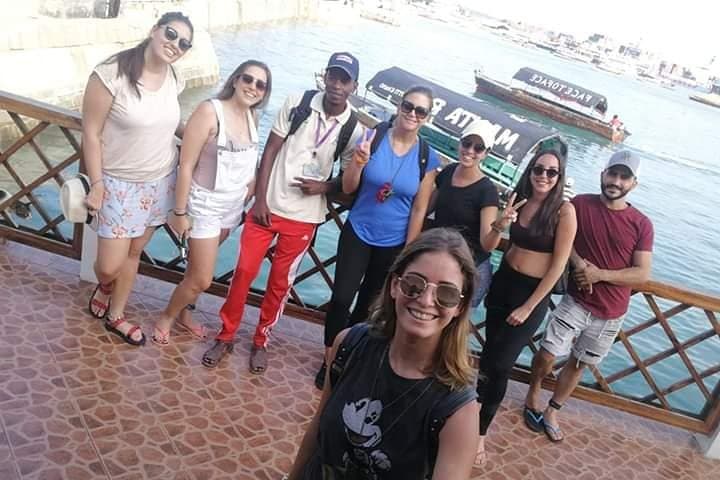
You step off the dhow into a sun-bright harbor and the day opens: the sea smells of salt and diesel, the boat rocks like a horse under you as the silhouette of Prison (Changuu) Island grows near. On the island, Aldabra giant tortoises move with old-time patience while peacocks fan brief, theatrical trains; the ruined prison block keeps one eye on the shore.
Verified experiences and guided adventures in the surrounding area.
Operated by Mo Tours & Safaris · Zanzibar City, Zanzibar
You step off the dhow into a sun-bright harbor and the day opens: the sea smells of salt and diesel, the boat rocks like a horse under you as the silhouette of Prison (Changuu) Island grows near. On the island, Aldabra giant tortoises move with old-time patience while peacocks fan brief, theatrical trains; the ruined prison block keeps one eye on the shore.
Stone Town follows — alleys that narrow to whispers, buildings layered with Omani, European and South Asian influences. Here the Arab Fort and the House of Wonders frame stories of trade, migration and the East African slave trade; carved Zanzibar doors and bustling bazaars make history tactile. The spice farm outside town trades urban noise for humid, scented air: clove, cinnamon, cardamom and vanilla hang from branches and soil that remembers centuries of cultivation.
Geology is subtle — coral rag foundations and reef-built coastlines that shaped settlement and boat-building. Culture is immediate: Swahili cuisine, Kiswahili greetings and markets selling macerated spices and warm coconut.
Practical notes: the tour combines short boat transfers, roughly two hours of walking in Stone Town’s narrow lanes, and a guided 2-hour spice-plant walk; plan for uneven surfaces and sun exposure. Wear comfortable walking shoes for the farms and sandals on Changuu, bring insect repellent, and carry small cash for spice purchases. Timing matters — mornings are cooler and wildlife on the island is easier to see. Respect local dress codes in Stone Town: avoid short or see-through clothing. This one-day loop is compact, sensory and rich in context — an efficient way to read Zanzibar’s layered past and living landscape.
easy.
9 hours.
Light to moderate — comfortable for most people who can walk 1–2 hours at a relaxed pace and manage boat transfers.
Yes — the full-day package includes boat transfers to Prison Island and pickup/drop-off in the tour area as described in the itinerary.
Admissions for Prison Island and the spice farm plus a local Swahili lunch at the spice farm are included in the tour price.
Most spice farm lunches can accommodate vegetarian requests if notified in advance through booking questions or at pickup.
Stone Town has narrow, uneven alleys and Prison Island requires a boat landing; the tour is not fully wheelchair accessible and may be difficult for those with significant mobility constraints.
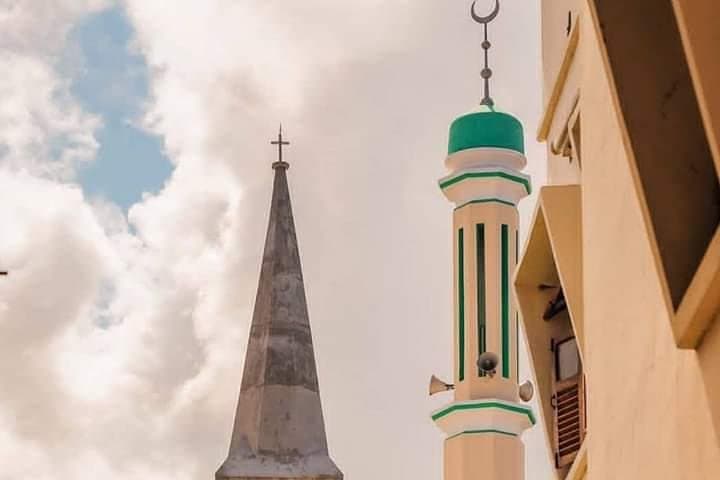
Stone Town’s architecture reflects centuries of Omani, Persian, Indian and European influence and was a pivotal hub in East African trade and the 19th-century slave trade.
Prison Island’s tortoises are protected and tourism revenue helps local caretaking; buy spices directly at farms to support sustainable, smallholder livelihoods.
Mo Tours & Safaris operates guided outdoor trips and adventures with an emphasis on safety, stewardship, and memorable experiences.

You step off the dhow into a sun-bright harbor and the day opens: the sea smells of salt and diesel, the boat rocks like a horse under you as the silhouette of Prison (Changuu) Island grows near. On the island, Aldabra giant tortoises move with old-time patience while peacocks fan brief, theatrical trains; the ruined prison block keeps one eye on the shore.
You step off the dhow into a sun-bright harbor and the day opens: the sea smells of salt and diesel, the boat rocks like a horse under you as the silhouette of Prison (Changuu) Island grows near. On the island, Aldabra giant tortoises move with old-time patience while peacocks fan brief, theatrical trains; the ruined prison block keeps one eye on the shore.
Stone Town follows — alleys that narrow to whispers, buildings layered with Omani, European and South Asian influences. Here the Arab Fort and the House of Wonders frame stories of trade, migration and the East African slave trade; carved Zanzibar doors and bustling bazaars make history tactile. The spice farm outside town trades urban noise for humid, scented air: clove, cinnamon, cardamom and vanilla hang from branches and soil that remembers centuries of cultivation.
Geology is subtle — coral rag foundations and reef-built coastlines that shaped settlement and boat-building. Culture is immediate: Swahili cuisine, Kiswahili greetings and markets selling macerated spices and warm coconut.
Practical notes: the tour combines short boat transfers, roughly two hours of walking in Stone Town’s narrow lanes, and a guided 2-hour spice-plant walk; plan for uneven surfaces and sun exposure. Wear comfortable walking shoes for the farms and sandals on Changuu, bring insect repellent, and carry small cash for spice purchases. Timing matters — mornings are cooler and wildlife on the island is easier to see. Respect local dress codes in Stone Town: avoid short or see-through clothing. This one-day loop is compact, sensory and rich in context — an efficient way to read Zanzibar’s layered past and living landscape.