THE ADVENTURE COLLECTIVE® · Independent discovery and booking for outdoor travel

Spend a practical, sensory day across Unguja: visit Ngonga Cave, walk Jozani’s mangrove boardwalks to see red colobus monkeys, enjoy seafood at The Island Pongwe, and finish with a Kendwa sunset. This one-day route balances culture, geology and shoreline relaxation.
Spend a practical, sensory day across Unguja: visit Ngonga Cave, walk Jozani’s mangrove boardwalks to see red colobus monkeys, enjoy seafood at The Island Pongwe, and finish with a Kendwa sunset. This one-day route balances culture, geology and shoreline relaxation.
A charcoal-scented breeze carries the first light across Zanzibar as a private minivan eases out of Stone Town and north along the spine of Unguja. Within hours the island shifts — limestone outcrops give way to mangrove channels, and then to powder-fine sand that the Indian Ocean teases with cool fingers. The day moves at a comfortable pace: a village cave visit, a short forest trail, a laid-back seafood lunch on a terrace, and a sunset that deepens every minute at Kendwa.
Verified experiences and guided adventures in the surrounding area.
Operated by Africa & Beyond Tours & Travel Ltd · Zanzibar City, Zanzibar
A charcoal-scented breeze carries the first light across Zanzibar as a private minivan eases out of Stone Town and north along the spine of Unguja. Within hours the island shifts — limestone outcrops give way to mangrove channels, and then to powder-fine sand that the Indian Ocean teases with cool fingers. The day moves at a comfortable pace: a village cave visit, a short forest trail, a laid-back seafood lunch on a terrace, and a sunset that deepens every minute at Kendwa.
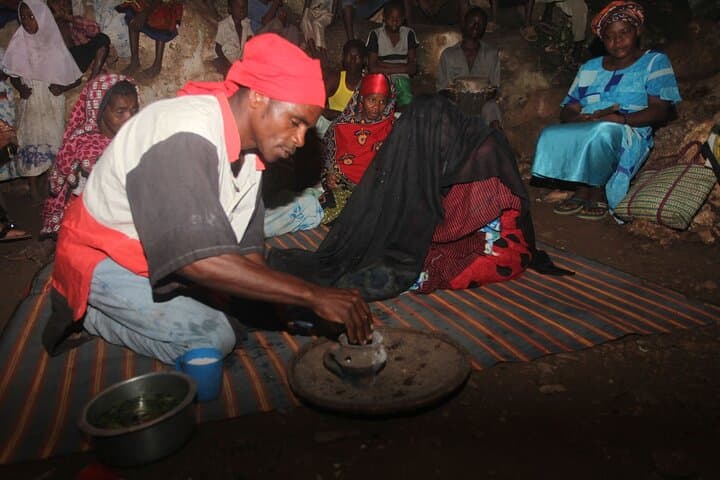
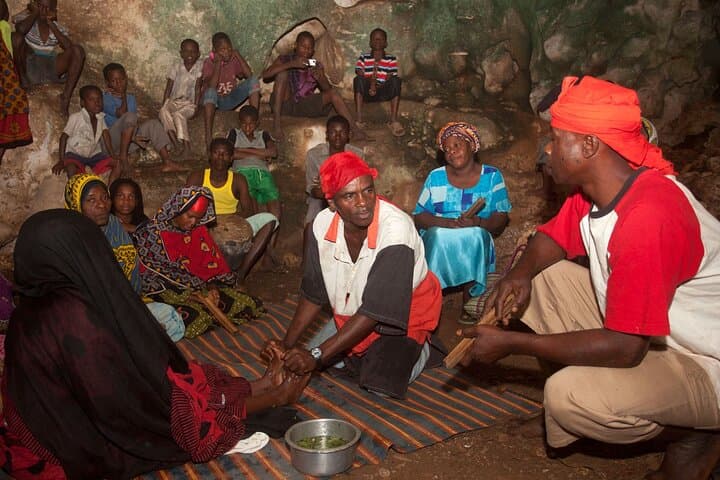
Ngonga Cave at Muyuni offers a close-up of local life and the island’s limestone geology: caverns and local lime and charcoal operations that reflect centuries of resource use. Jozani Forest preserves a remnant of Zanzibar’s lowland canopy and is the best place to see the red colobus monkey in its leafy domain, with boardwalks that thread mangroves and mahogany. Pongwe’s seaside terrace is a practical interlude — Swahili and seafood plates, ocean views and shade — before the coast widens into the broad beaches near Kendwa, famed for long, still sunsets.
Plan for uneven limestone, short boardwalk sections and dusty village paths. The operator typically provides bottled water, air-conditioned transport and admission for Jozani; lunch at The Island Pongwe is part of the itinerary. Bring sun protection, insect repellent, and a camera with a spare battery. Move deliberately and respectfully through village sites — ask before photographing people and carry small change for local sellers and guides. Timing matters: mornings are best for wildlife, late afternoon for light on the coast. This full-day loop gives a practical, sensory cross-section of Zanzibar’s natural and cultural landscape.
easy.
10 hours.
Light fitness: comfortable walking on mostly flat sections with short uneven stretches; suitable for most activity levels
Jozani Forest admission is included on this itinerary; village visits to Ngonga Cave are typically guided with no formal admission, while restaurant meals are part of the tour.
The operator lists wheelchair-accessible transport and facilities, but some forest boardwalk sections and village paths are uneven; contact the provider in advance to confirm specific mobility needs.
Lunch at The Island Pongwe focuses on Swahili and seafood dishes; the operator can accommodate dietary restrictions with advance notice during booking.
Early morning improves wildlife sightings in Jozani; late afternoon and early evening deliver the best golden light and dramatic color at Kendwa Beach.
Unguja’s culture is strongly Swahili, shaped by centuries of African, Arab and Indian Ocean trade; local villages still practice traditional fishing, lime and charcoal production tied to that history.
Jozani is a protected remnant of lowland forest; visitors are advised to stay on trails, avoid feeding wildlife and support local guides to reduce pressure on habitats.
Africa & Beyond Tours & Travel Ltd operates guided outdoor trips and adventures with an emphasis on safety, stewardship, and memorable experiences.


A charcoal-scented breeze carries the first light across Zanzibar as a private minivan eases out of Stone Town and north along the spine of Unguja. Within hours the island shifts — limestone outcrops give way to mangrove channels, and then to powder-fine sand that the Indian Ocean teases with cool fingers. The day moves at a comfortable pace: a village cave visit, a short forest trail, a laid-back seafood lunch on a terrace, and a sunset that deepens every minute at Kendwa.
A charcoal-scented breeze carries the first light across Zanzibar as a private minivan eases out of Stone Town and north along the spine of Unguja. Within hours the island shifts — limestone outcrops give way to mangrove channels, and then to powder-fine sand that the Indian Ocean teases with cool fingers. The day moves at a comfortable pace: a village cave visit, a short forest trail, a laid-back seafood lunch on a terrace, and a sunset that deepens every minute at Kendwa.
Ngonga Cave at Muyuni offers a close-up of local life and the island’s limestone geology: caverns and local lime and charcoal operations that reflect centuries of resource use. Jozani Forest preserves a remnant of Zanzibar’s lowland canopy and is the best place to see the red colobus monkey in its leafy domain, with boardwalks that thread mangroves and mahogany. Pongwe’s seaside terrace is a practical interlude — Swahili and seafood plates, ocean views and shade — before the coast widens into the broad beaches near Kendwa, famed for long, still sunsets.
Plan for uneven limestone, short boardwalk sections and dusty village paths. The operator typically provides bottled water, air-conditioned transport and admission for Jozani; lunch at The Island Pongwe is part of the itinerary. Bring sun protection, insect repellent, and a camera with a spare battery. Move deliberately and respectfully through village sites — ask before photographing people and carry small change for local sellers and guides. Timing matters: mornings are best for wildlife, late afternoon for light on the coast. This full-day loop gives a practical, sensory cross-section of Zanzibar’s natural and cultural landscape.