THE ADVENTURE COLLECTIVE® · Independent discovery and booking for outdoor travel

Spend a day tracing Zanzibar’s wild and cultural edges: red colobus monkeys in Jozani Forest, the cultural Kuza Cave and pool, plus beach time at Paje and a view of The Rock Restaurant. This private full-day tour mixes short walks, swims, and coastal panoramas.
Spend a day tracing Zanzibar’s wild and cultural edges: red colobus monkeys in Jozani Forest, the cultural Kuza Cave and pool, plus beach time at Paje and a view of The Rock Restaurant. This private full-day tour mixes short walks, swims, and coastal panoramas.
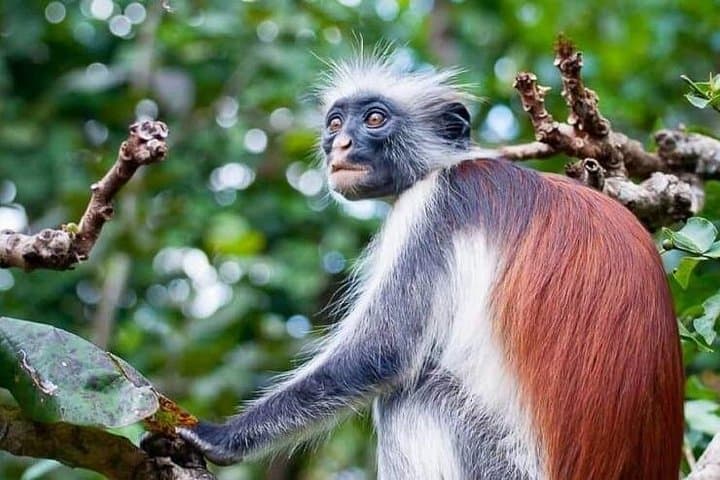
You arrive on the southeast shore of Unguja where the forest exhales humidity and the ocean answers with a distant surf. A morning walk along shaded tracks brings the red colobus monkeys into view—curious, quick, and accustomed to the boardwalks that thread Jozani Chwaka Bay National Park. The mangroves here reach out like fingers into tidal water, daring you to notice the small lives that depend on the interface of land and sea.
Verified experiences and guided adventures in the surrounding area.
Operated by Zanziflowers Tours And Safaris · Stone Town, Zanzibar
You arrive on the southeast shore of Unguja where the forest exhales humidity and the ocean answers with a distant surf. A morning walk along shaded tracks brings the red colobus monkeys into view—curious, quick, and accustomed to the boardwalks that thread Jozani Chwaka Bay National Park. The mangroves here reach out like fingers into tidal water, daring you to notice the small lives that depend on the interface of land and sea.
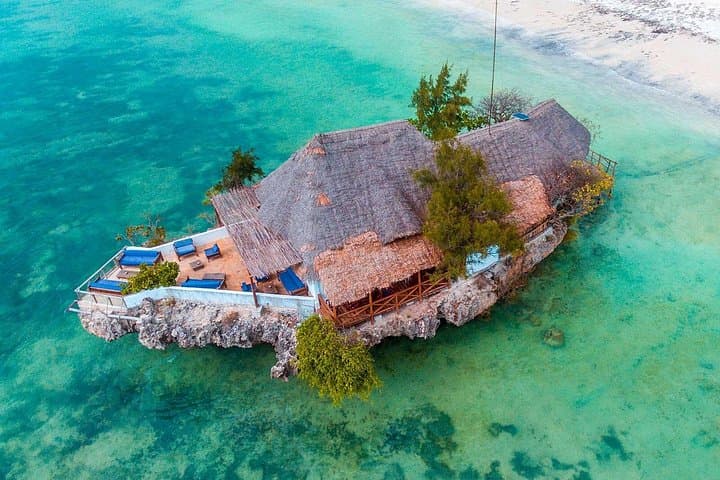
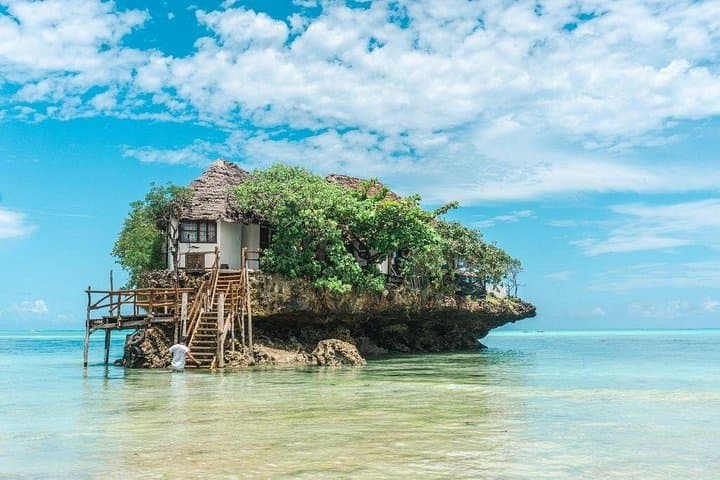
This route stitches together natural history and Swahili culture: Jozani's soils are coral-derived, compacted over millennia and supporting mahogany groves and mangrove root-systems; Kuza Cave doubles as a cultural centre where local artifacts and oral histories map the island’s role in Indian Ocean trade and human migration. Midday brings a cliffside glimpse of The Rock Restaurant—built on an exposed reef—followed by a quiet dip in Kuza’s clear pool and a late afternoon stroll along Paje’s wide beach as dhows cut the horizon.
Practical guidance: the full-day tour runs about nine hours and covers short hikes (boardwalks, sandy paths) plus some steps and uneven surfaces. Bring reef-safe sunscreen, insect repellent, swimwear, and cash for lunch if you want to sample local cafés—the tour notes that lunch is not included. Photography is excellent in the soft morning and late afternoon light; wildlife is most active in cooler hours. Respect the red colobus by keeping distance and staying on designated paths; mangrove channels are sensitive—avoid trampling roots. With light fitness and basic footwear, this itinerary is an accessible way to pair wildlife viewing with coastal culture on Zanzibar’s east coast.
easy.
9 hours.
Suitable for travelers in light to moderate fitness; involves short walks, stairs and uneven terrain but no sustained climbs.
No—lunch is not included; the itinerary stops near coastal cafés and The Rock Restaurant where you can purchase food, so bring cash if you plan to buy a meal.
Sightings are common because the monkeys are habituated to the park’s boardwalks, but wildlife is never guaranteed—early starts improve chances.
The cave pool has clear shallow sections but some areas drop off—supervise children closely and ask guides about safe swimming spots.
Consult your travel clinic before visiting Tanzania—malaria is present on Zanzibar and routine travel vaccinations may be recommended depending on your origin.
Zanzibar’s culture blends Swahili, Arab, Persian and European influences from centuries of Indian Ocean trade; many coastal sites reflect that layered history.
Jozani protects the endangered Zanzibar red colobus and adjacent mangroves—stay on trails, avoid feeding animals, and use reef-safe products to reduce impact.
Zanziflowers Tours And Safaris operates guided outdoor trips and adventures with an emphasis on safety, stewardship, and memorable experiences.

You arrive on the southeast shore of Unguja where the forest exhales humidity and the ocean answers with a distant surf. A morning walk along shaded tracks brings the red colobus monkeys into view—curious, quick, and accustomed to the boardwalks that thread Jozani Chwaka Bay National Park. The mangroves here reach out like fingers into tidal water, daring you to notice the small lives that depend on the interface of land and sea.
You arrive on the southeast shore of Unguja where the forest exhales humidity and the ocean answers with a distant surf. A morning walk along shaded tracks brings the red colobus monkeys into view—curious, quick, and accustomed to the boardwalks that thread Jozani Chwaka Bay National Park. The mangroves here reach out like fingers into tidal water, daring you to notice the small lives that depend on the interface of land and sea.
This route stitches together natural history and Swahili culture: Jozani's soils are coral-derived, compacted over millennia and supporting mahogany groves and mangrove root-systems; Kuza Cave doubles as a cultural centre where local artifacts and oral histories map the island’s role in Indian Ocean trade and human migration. Midday brings a cliffside glimpse of The Rock Restaurant—built on an exposed reef—followed by a quiet dip in Kuza’s clear pool and a late afternoon stroll along Paje’s wide beach as dhows cut the horizon.
Practical guidance: the full-day tour runs about nine hours and covers short hikes (boardwalks, sandy paths) plus some steps and uneven surfaces. Bring reef-safe sunscreen, insect repellent, swimwear, and cash for lunch if you want to sample local cafés—the tour notes that lunch is not included. Photography is excellent in the soft morning and late afternoon light; wildlife is most active in cooler hours. Respect the red colobus by keeping distance and staying on designated paths; mangrove channels are sensitive—avoid trampling roots. With light fitness and basic footwear, this itinerary is an accessible way to pair wildlife viewing with coastal culture on Zanzibar’s east coast.