THE ADVENTURE COLLECTIVE® · Independent discovery and booking for outdoor travel

Explore Zagoria’s carved bridges, cascading falls, and centuries-old churches on a private full-day tour from Gjirokastër. This guided route mixes short hikes, cultural stops, and scenic drives through southern Albania’s karst landscapes.
Explore Zagoria’s carved bridges, cascading falls, and centuries-old churches on a private full-day tour from Gjirokastër. This guided route mixes short hikes, cultural stops, and scenic drives through southern Albania’s karst landscapes.
You step off the minivan into a high valley where limestone ridges shoulder the sky and a cool stream dares you closer with a bright, insistent rush.
Verified experiences and guided adventures in the surrounding area.
Operated by Bukowski Tours - Gjirokaster · Gjirokastër, Gjirokastër County
You step off the minivan into a high valley where limestone ridges shoulder the sky and a cool stream dares you closer with a bright, insistent rush.
The day in Zagoria moves between open meadows and shaded chestnut groves: Ottoman stone bridges arcing over clear water, a cascade dropping in tiers at Selckë, and the low, carved profile of the Church of Labovë e Kryqit—a Byzantine marker of the region’s deep history. Geology here is unapologetically visible: karst cliffs, eroded gorges and scree fields that tell of millions of years of uplift and water work. Villages like Sheper and Nivan preserve local stone architecture and pastoral rhythms—sheep, small orchards, and family-run cafes where coffee is an invitation to linger.
Expect a balance of cultural stops and short hikes. The tour typically combines walks of a few kilometers around waterfalls and bridges with periods of driving between sites; cumulative walking is generally 5–10 km with intermittent climbs up to several hundred meters. Birdwatchers will find raptors and woodland species; photographers will prize light catching the river and bridges.
Practicalities: wear sturdy hiking shoes with good traction, carry 1–2 liters of water, and dress in layers—mountain weather shifts fast. Guides usually provide local insight, tea or coffee, and transportation; bring small cash for village purchases. Start early to avoid midday heat and to get the clearest views and the quietest village moments.
moderate.
9–10 hours.
Moderate fitness is required: able to walk several short hikes totaling 5–10 km with some elevation gain and uneven footing.
The tour mixes short hikes and drives; plan for 5–10 km of walking across several stops, with uneven terrain and some climbs.
Yes for most, but it’s not recommended for those with serious mobility, spinal, cardiovascular issues, or for late-term pregnancy; infant seats are available.
The tour typically includes tea or coffee; lunch or snacks at village cafes are usually at your own expense—bring small cash.
Licensed guides commonly speak English, German, and Italian, depending on booking.
Zagoria’s villages preserve Ottoman-era stone bridgework and the Church of Labovë e Kryqit has Byzantine origins dating to the Justinianic period.
The park supports low-impact tourism—stick to marked trails, avoid disturbing pasture lands, and support local businesses to keep cultural landscapes viable.
Bukowski Tours - Gjirokaster operates guided outdoor trips and adventures with an emphasis on safety, stewardship, and memorable experiences.


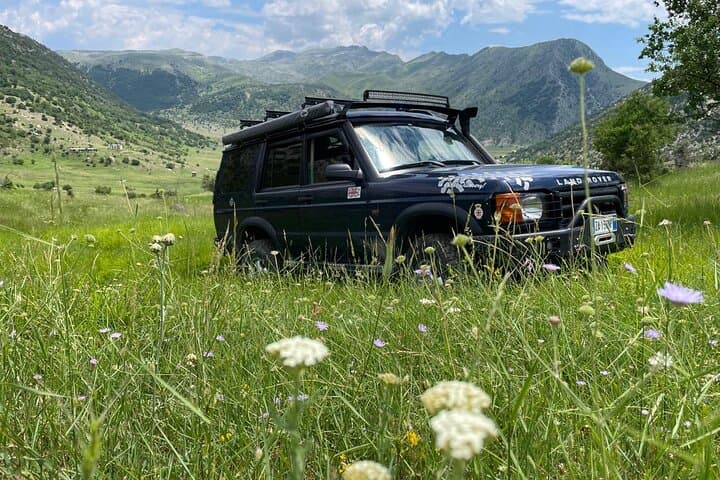
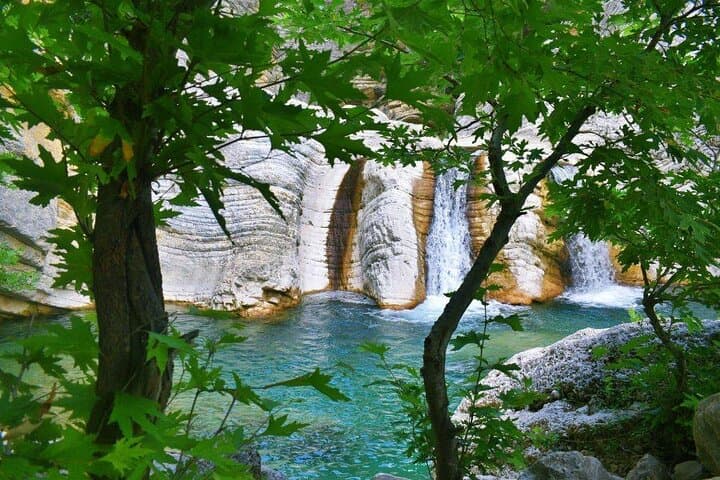
You step off the minivan into a high valley where limestone ridges shoulder the sky and a cool stream dares you closer with a bright, insistent rush.
You step off the minivan into a high valley where limestone ridges shoulder the sky and a cool stream dares you closer with a bright, insistent rush.
The day in Zagoria moves between open meadows and shaded chestnut groves: Ottoman stone bridges arcing over clear water, a cascade dropping in tiers at Selckë, and the low, carved profile of the Church of Labovë e Kryqit—a Byzantine marker of the region’s deep history. Geology here is unapologetically visible: karst cliffs, eroded gorges and scree fields that tell of millions of years of uplift and water work. Villages like Sheper and Nivan preserve local stone architecture and pastoral rhythms—sheep, small orchards, and family-run cafes where coffee is an invitation to linger.
Expect a balance of cultural stops and short hikes. The tour typically combines walks of a few kilometers around waterfalls and bridges with periods of driving between sites; cumulative walking is generally 5–10 km with intermittent climbs up to several hundred meters. Birdwatchers will find raptors and woodland species; photographers will prize light catching the river and bridges.
Practicalities: wear sturdy hiking shoes with good traction, carry 1–2 liters of water, and dress in layers—mountain weather shifts fast. Guides usually provide local insight, tea or coffee, and transportation; bring small cash for village purchases. Start early to avoid midday heat and to get the clearest views and the quietest village moments.