THE ADVENTURE COLLECTIVE® · Independent discovery and booking for outdoor travel

Combine cliffside Maya ruins, freshwater cenotes and guided turtle snorkeling in Akumal on a private full-day route through the Yucatán coastline. Expect easy walking, cool cenote swims and marine encounters guided with conservation in mind.
Combine cliffside Maya ruins, freshwater cenotes and guided turtle snorkeling in Akumal on a private full-day route through the Yucatán coastline. Expect easy walking, cool cenote swims and marine encounters guided with conservation in mind.
You step onto warm limestone paths with the Caribbean pressing blue at the horizon—salt on the air, ancient stone catching the sun. The day begins at the Tulum archaeological site, where a compact coastal city of the late Maya clings to a cliff edge; stone stairways and temple façades face the sea and tell of trade, astronomy and ritual.
Verified experiences and guided adventures in the surrounding area.
Operated by Trip To Mexico · Tulum, Quintana Roo
You step onto warm limestone paths with the Caribbean pressing blue at the horizon—salt on the air, ancient stone catching the sun. The day begins at the Tulum archaeological site, where a compact coastal city of the late Maya clings to a cliff edge; stone stairways and temple façades face the sea and tell of trade, astronomy and ritual.
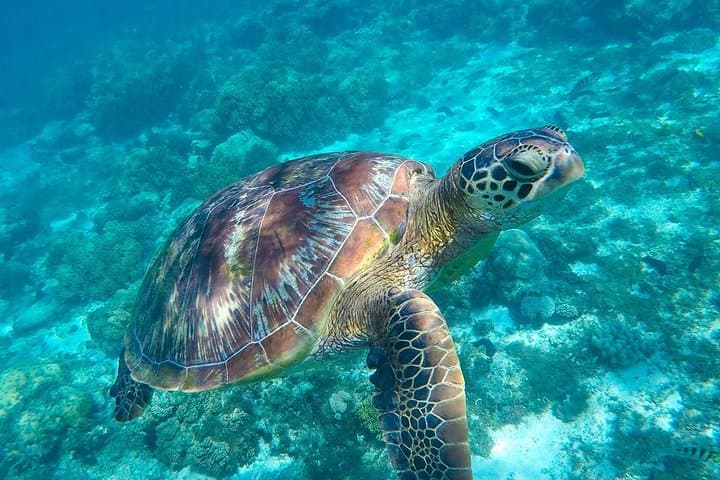
Geology here is quick to reveal itself: the Yucatán is a low limestone platform pocked by cenotes—collapsed sinkholes that open into clear, freshwater caverns. Swimming in a cenote feels like entering the island’s groundwater system: cool, buoyant and visually sharp. Akumal, a wide bay with seagrass flats, is a regular feeding ground for green turtles; they move with deliberate grace, and snorkeling alongside them requires calm, slow motion and respect.
Culturally this route maps Mayan history, colonial-era changes in coastal trade and contemporary conservation efforts that limit how visitors interact with fragile reefs and cenotes. Expect short walks on uneven stone and sandy beach approaches, brief stair sections at ruins and calm snorkeling in shallow seagrass (visibility typically excellent).
Practical guidance: plan for 6–7 hours on the road with private transport, bring reef-safe sunscreen, a dry bag, water shoes and a mask if you prefer your own fit. Hydrate before and between stops; guide briefings cover how to approach turtles and where to stand on cenote platforms. Morning departures avoid crowds at Tulum and offer better light in the cenotes. With basic swimming ability and respect for local rules, this day blends archaeology, fresh water and the sea into a single, accessible coastal loop.
easy.
6–7 hours.
Light fitness: able to walk short uneven paths, climb stairs, and swim in shallow open water.
No—basic swimming ability is recommended; guides stay in shallow water and provide safety briefings for snorkeling.
This tour description lists admission included for itinerary stops, but confirm with your booking for any local fee changes.
Akumal is a regular turtle feeding area; sightings are common but not guaranteed—wildlife is unpredictable and best respected at distance.
Light, quick‑dry clothing, a hat, reef‑safe sunscreen, water shoes, swimwear, a towel and a reusable water bottle are recommended.
Tulum was one of the last major Maya cities, serving as a coastal port and ceremonial site in the Postclassic period; nearby cenotes were sacred freshwater sources for ancient communities.
Local rules limit boat anchoring and visitor behavior around turtles and cenotes; choosing reef‑safe products and following guide instructions reduces impact.
Trip To Mexico operates guided outdoor trips and adventures with an emphasis on safety, stewardship, and memorable experiences.
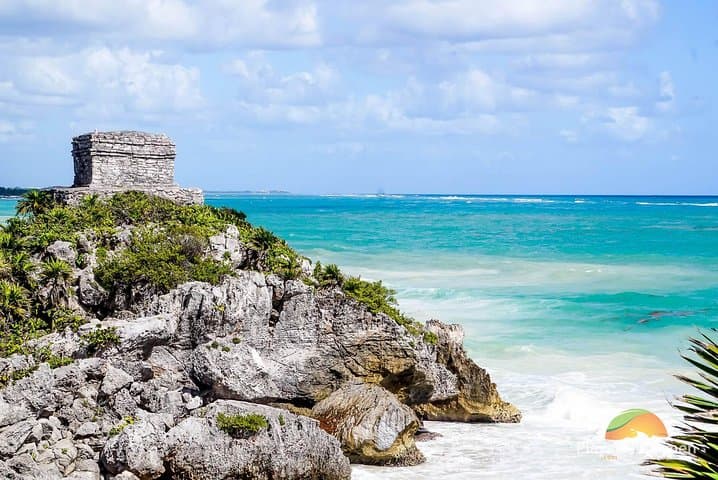
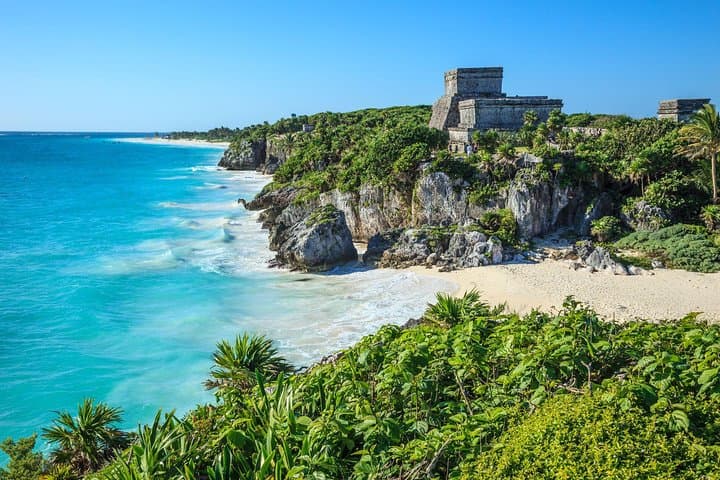
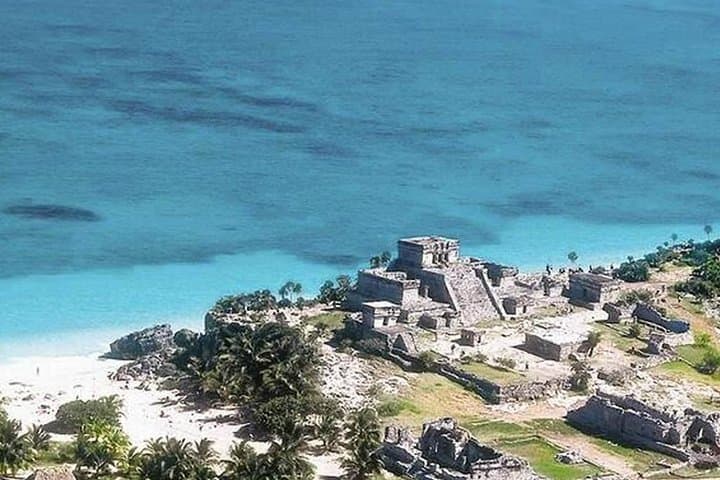
You step onto warm limestone paths with the Caribbean pressing blue at the horizon—salt on the air, ancient stone catching the sun. The day begins at the Tulum archaeological site, where a compact coastal city of the late Maya clings to a cliff edge; stone stairways and temple façades face the sea and tell of trade, astronomy and ritual.
You step onto warm limestone paths with the Caribbean pressing blue at the horizon—salt on the air, ancient stone catching the sun. The day begins at the Tulum archaeological site, where a compact coastal city of the late Maya clings to a cliff edge; stone stairways and temple façades face the sea and tell of trade, astronomy and ritual.
Geology here is quick to reveal itself: the Yucatán is a low limestone platform pocked by cenotes—collapsed sinkholes that open into clear, freshwater caverns. Swimming in a cenote feels like entering the island’s groundwater system: cool, buoyant and visually sharp. Akumal, a wide bay with seagrass flats, is a regular feeding ground for green turtles; they move with deliberate grace, and snorkeling alongside them requires calm, slow motion and respect.
Culturally this route maps Mayan history, colonial-era changes in coastal trade and contemporary conservation efforts that limit how visitors interact with fragile reefs and cenotes. Expect short walks on uneven stone and sandy beach approaches, brief stair sections at ruins and calm snorkeling in shallow seagrass (visibility typically excellent).
Practical guidance: plan for 6–7 hours on the road with private transport, bring reef-safe sunscreen, a dry bag, water shoes and a mask if you prefer your own fit. Hydrate before and between stops; guide briefings cover how to approach turtles and where to stand on cenote platforms. Morning departures avoid crowds at Tulum and offer better light in the cenotes. With basic swimming ability and respect for local rules, this day blends archaeology, fresh water and the sea into a single, accessible coastal loop.