THE ADVENTURE COLLECTIVE® · Independent discovery and booking for outdoor travel

Spend a private 7½-hour day sampling South African wines across Stellenbosch and Franschhoek. This guided tour covers iconic estates, regional history and practical tasting tips while returning you to Cape Town the same evening.
Spend a private 7½-hour day sampling South African wines across Stellenbosch and Franschhoek. This guided tour covers iconic estates, regional history and practical tasting tips while returning you to Cape Town the same evening.
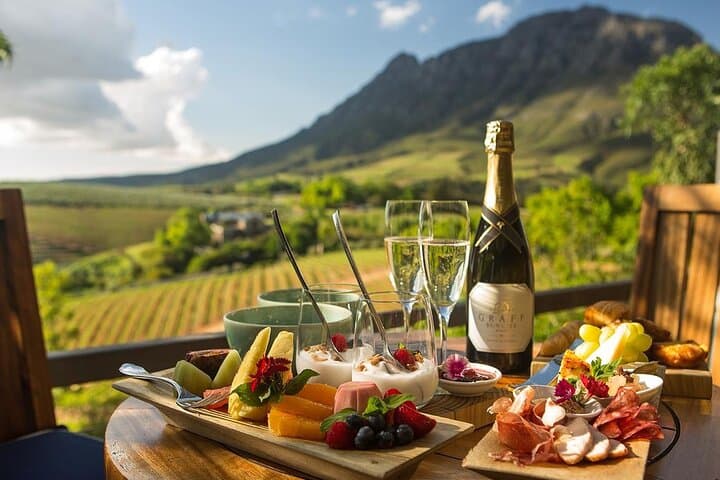
A low, cool wind pushes grape leaves against the window as your private vehicle leaves Cape Town behind and the city’s skyline shrinks. Vine rows begin climbing the low slopes; mountains frame the valley. The day opens with easy conversation and the smell of fermenting fruit—this is the Cape Winelands, a place where soil, slope and sea-breeze shape what’s in the glass.
Verified experiences and guided adventures in the surrounding area.
Operated by Austral Africa Tours · Stellenbosch, Western Cape
A low, cool wind pushes grape leaves against the window as your private vehicle leaves Cape Town behind and the city’s skyline shrinks. Vine rows begin climbing the low slopes; mountains frame the valley. The day opens with easy conversation and the smell of fermenting fruit—this is the Cape Winelands, a place where soil, slope and sea-breeze shape what’s in the glass.
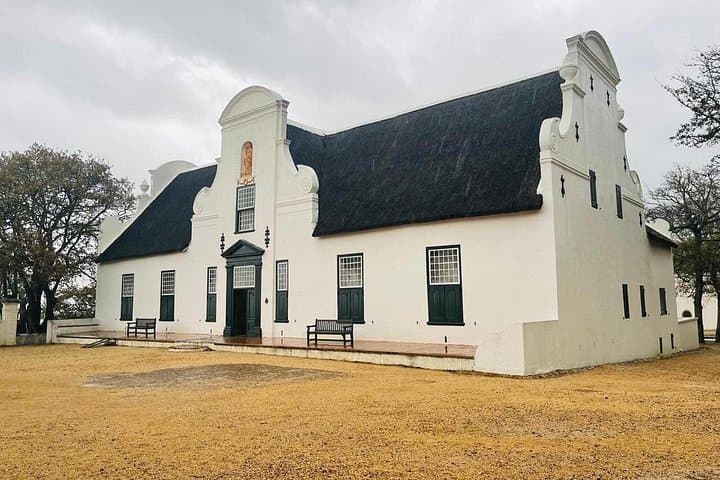
Stellenbosch, founded in the 1670s, is the Western Cape’s second-oldest town and shows its history in Cape Dutch homesteads and oak-lined lanes. Franschhoek, settled by French Huguenots in 1688, still carries that Gallic influence in its place names and cellar doors. Geologically the region is a patchwork of decomposed granite and Table Mountain sandstone, soils that favor Chenin Blanc, Sauvignon, Cabernet and South Africa’s signature Pinotage; many estates also produce Cap Classique sparkling wines.
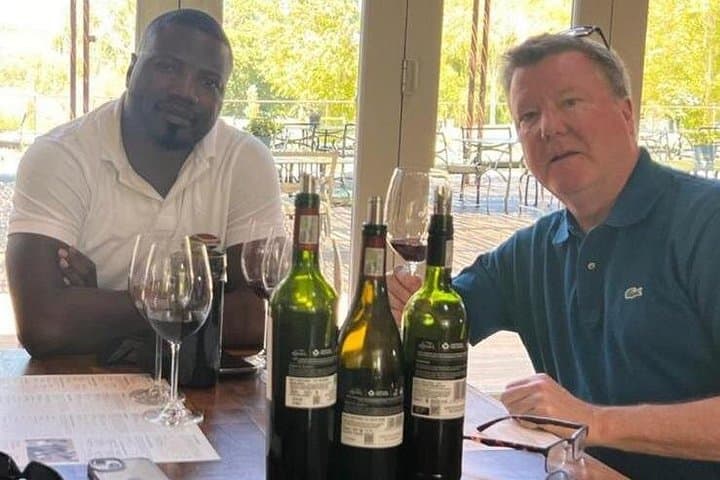
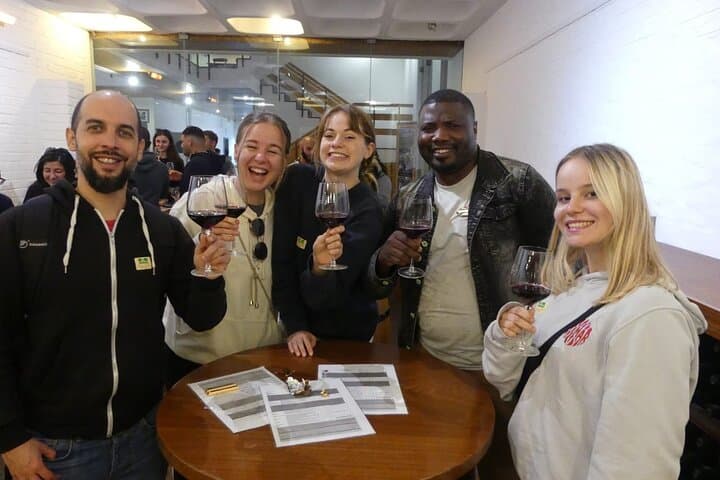
On a private 7½-hour route you’ll visit multiple estates—Boschendal, Fairview, Grande Provence among them—sample guided flights and learn basic winemaking terms from an English- or French-speaking certified guide. Tastings typically include a fee and bottled water is provided on board; under-18s cannot drink. Expect light walking across gravel yards and tasting rooms, intermittent sun and short transfers between estates.
Practical: book with dietary or mobility notes, pace the tastings, hydrate, wear sun protection and closed-toe shoes. The tour returns to Cape Town the same day, making it an efficient way to experience both Stellenbosch and Franschhoek without driving yourself.
easy.
7–8 hours.
Suitable for all fitness levels; requires short walks on gravel and standing during tastings
The tour runs about 7½ hours and includes private air-conditioned transport, guided tastings at multiple estates, bottled water and hotel pickup/drop-off in Cape Town; tasting fees are typically included.
Minors can travel on the tour but are not permitted to taste alcohol; bring ID for age verification if needed.
No—private transport and a professional driver are provided for the duration of the tour, so you can relax and taste safely.
Yes—this private tour can usually accommodate requests for particular estates or dietary restrictions if noted at booking; confirm in advance to secure reservations.
Franschhoek was settled by French Huguenots in 1688 and retains many French place names; Stellenbosch dates to the late 17th century and features classic Cape Dutch architecture.
Many estates practice sustainable viticulture—look for organic or biodynamic tasting notes and avoid single-use plastics where possible; water management is a local environmental priority.
Austral Africa Tours operates guided outdoor trips and adventures with an emphasis on safety, stewardship, and memorable experiences.
A low, cool wind pushes grape leaves against the window as your private vehicle leaves Cape Town behind and the city’s skyline shrinks. Vine rows begin climbing the low slopes; mountains frame the valley. The day opens with easy conversation and the smell of fermenting fruit—this is the Cape Winelands, a place where soil, slope and sea-breeze shape what’s in the glass.
A low, cool wind pushes grape leaves against the window as your private vehicle leaves Cape Town behind and the city’s skyline shrinks. Vine rows begin climbing the low slopes; mountains frame the valley. The day opens with easy conversation and the smell of fermenting fruit—this is the Cape Winelands, a place where soil, slope and sea-breeze shape what’s in the glass.
Stellenbosch, founded in the 1670s, is the Western Cape’s second-oldest town and shows its history in Cape Dutch homesteads and oak-lined lanes. Franschhoek, settled by French Huguenots in 1688, still carries that Gallic influence in its place names and cellar doors. Geologically the region is a patchwork of decomposed granite and Table Mountain sandstone, soils that favor Chenin Blanc, Sauvignon, Cabernet and South Africa’s signature Pinotage; many estates also produce Cap Classique sparkling wines.
On a private 7½-hour route you’ll visit multiple estates—Boschendal, Fairview, Grande Provence among them—sample guided flights and learn basic winemaking terms from an English- or French-speaking certified guide. Tastings typically include a fee and bottled water is provided on board; under-18s cannot drink. Expect light walking across gravel yards and tasting rooms, intermittent sun and short transfers between estates.
Practical: book with dietary or mobility notes, pace the tastings, hydrate, wear sun protection and closed-toe shoes. The tour returns to Cape Town the same day, making it an efficient way to experience both Stellenbosch and Franschhoek without driving yourself.