THE ADVENTURE COLLECTIVE® · Independent discovery and booking for outdoor travel

Spend a full day chasing humpback whales in Samaná Bay, then unwind on the sugar-white sands of Cayo Levantado. This eight-hour trip from Santo Domingo blends marine wildlife viewing, Caribbean beach time, and local flavors into a single memorable day.
Spend a full day chasing humpback whales in Samaná Bay, then unwind on the sugar-white sands of Cayo Levantado. This eight-hour trip from Santo Domingo blends marine wildlife viewing, Caribbean beach time, and local flavors into a single memorable day.
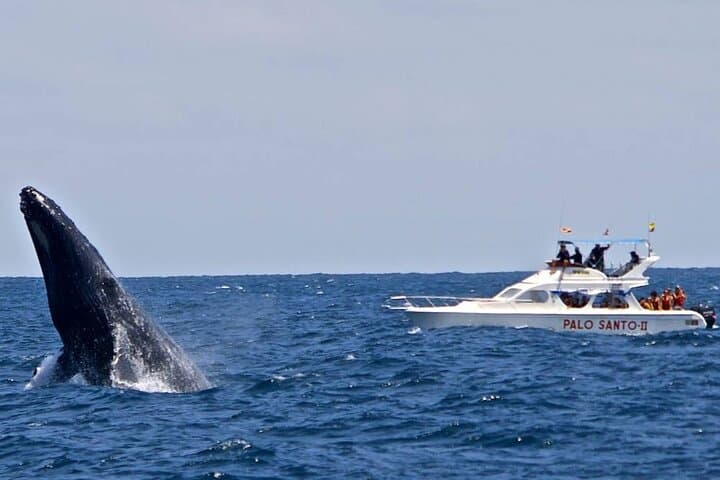
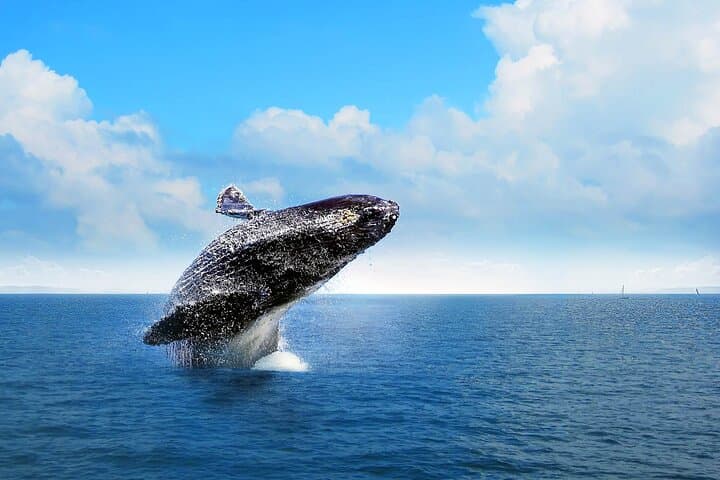
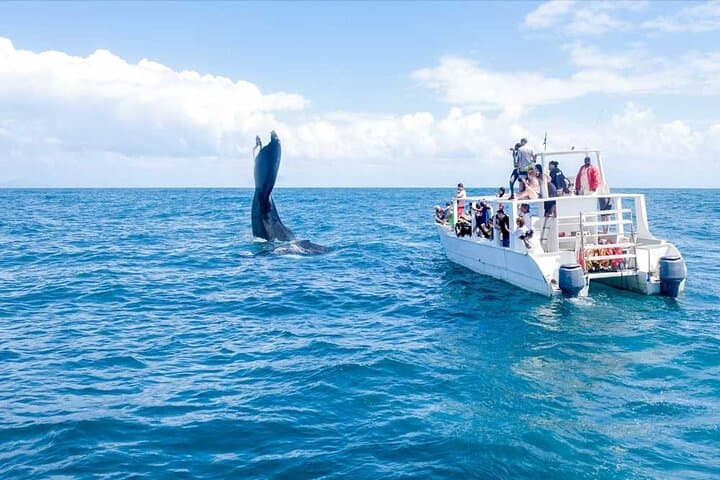
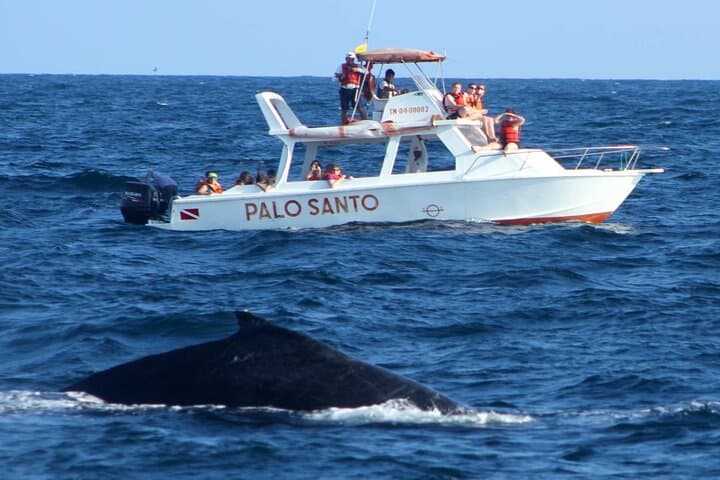
You step onto the boat before sunrise and the harbor rumbles with diesel and chatter; the Caribbean opens ahead like a bright page. As the coastline of the Samaná Peninsula drops away, the captain eases into the bay where humpback whales have returned for millennia to breed and sing. The water takes on a colder, darker blue as you near the feeding grounds; then a spout arcs through the spray and the boat radios flare—the whales are near. Males surface and slap tails, their songs a low, haunting sound that seems to move through the hull.
Verified experiences and guided adventures in the surrounding area.
Operated by Shelting Tours · Samaná, Samaná Province
You step onto the boat before sunrise and the harbor rumbles with diesel and chatter; the Caribbean opens ahead like a bright page. As the coastline of the Samaná Peninsula drops away, the captain eases into the bay where humpback whales have returned for millennia to breed and sing. The water takes on a colder, darker blue as you near the feeding grounds; then a spout arcs through the spray and the boat radios flare—the whales are near. Males surface and slap tails, their songs a low, haunting sound that seems to move through the hull.
Samaná Bay is not only a whale nursery; it’s a geological bowl carved by tectonic uplift and river runoff, its shallow waters warmed by Caribbean currents. Cayo Levantado—known locally as Bacardi Island after a famous ad—rises as a coral sand crescent, white and uncomplicated against the blue. The island’s lunch shacks serve sancocho and freshly grilled fish, while coconut palms shade a shoreline where the ocean is almost fluorescent.
The region’s human history threads Taino place names with Spanish colonial ports and centuries of fishing culture; whale-watching here became a seasonal industry only in the late 20th century when researchers documented recurring humpback migrations. Today local captains and guides balance tradition and tourism—watching for marine mammals while steering clear of mothers and calves.
Practical details matter on a full-day outing from Santo Domingo. Expect an early hotel pickup and roughly eight hours away from the city—about three to four hours transit round-trip including the boat time. The tour is designed for all fitness levels: most of the day is spent seated on deck with short stretches to move, photograph, and walk on Cayo Levantado. The whales are most active and visible between January and March; plan for calmer seas then. Listen to your guide for approach rules: Dominican regulations and responsible operators maintain a respectful distance and limit time near single animals.
Bring reef-safe sunscreen, a wide-brim hat, and a light wind layer—sea spray and sun alternate quickly. If you’re prone to motion sickness, take medication before boarding and sit midship where motion is least pronounced. Charge batteries and use a polarizing filter for open-water shots; whales breach fast and unpredictably.
This one-day loop—panoramic bay, humpback displays, and a lazy lunch on Cayo Levantado—delivers both adrenaline and a softer seaside hour, the kind of trip that leaves you with a camera full of action and a clearer sense of why Samaná’s waters deserve protection.
easy.
8 hours.
Suitable for most fitness levels; mainly short periods of standing and walking on sand and boats.
Peak season is January through March, when whales come to breed and males are most vocal and active.
The full-day excursion is about eight hours total and departs from Santo Domingo with hotel pickup included in most cases.
Yes—this tour is rated easy and suitable for all fitness levels; children should be supervised on deck and life jackets are provided.
Swimwear, towel, reef-safe sunscreen, cash for small purchases, and a dry bag for electronics.
Booking often accommodates limited mobility but boarding a small boat can require steps and balance.
Yes—lunch and snacks are included; expect Dominican dishes like grilled fish, rice, and local sides.
Samaná has been a seasonal haven for humpbacks for centuries and grew as a whale-watching destination in the late 20th century; Cayo Levantado gained international attention after being featured in advertising.
Operators follow local distance and time limits to minimize disturbance to mothers and calves; visitors should avoid single-use plastics and respect marked dunes on Cayo Levantado.
Shelting Tours operates guided outdoor trips and adventures with an emphasis on safety, stewardship, and memorable experiences.
You step onto the boat before sunrise and the harbor rumbles with diesel and chatter; the Caribbean opens ahead like a bright page. As the coastline of the Samaná Peninsula drops away, the captain eases into the bay where humpback whales have returned for millennia to breed and sing. The water takes on a colder, darker blue as you near the feeding grounds; then a spout arcs through the spray and the boat radios flare—the whales are near. Males surface and slap tails, their songs a low, haunting sound that seems to move through the hull.
You step onto the boat before sunrise and the harbor rumbles with diesel and chatter; the Caribbean opens ahead like a bright page. As the coastline of the Samaná Peninsula drops away, the captain eases into the bay where humpback whales have returned for millennia to breed and sing. The water takes on a colder, darker blue as you near the feeding grounds; then a spout arcs through the spray and the boat radios flare—the whales are near. Males surface and slap tails, their songs a low, haunting sound that seems to move through the hull.
Samaná Bay is not only a whale nursery; it’s a geological bowl carved by tectonic uplift and river runoff, its shallow waters warmed by Caribbean currents. Cayo Levantado—known locally as Bacardi Island after a famous ad—rises as a coral sand crescent, white and uncomplicated against the blue. The island’s lunch shacks serve sancocho and freshly grilled fish, while coconut palms shade a shoreline where the ocean is almost fluorescent.
The region’s human history threads Taino place names with Spanish colonial ports and centuries of fishing culture; whale-watching here became a seasonal industry only in the late 20th century when researchers documented recurring humpback migrations. Today local captains and guides balance tradition and tourism—watching for marine mammals while steering clear of mothers and calves.
Practical details matter on a full-day outing from Santo Domingo. Expect an early hotel pickup and roughly eight hours away from the city—about three to four hours transit round-trip including the boat time. The tour is designed for all fitness levels: most of the day is spent seated on deck with short stretches to move, photograph, and walk on Cayo Levantado. The whales are most active and visible between January and March; plan for calmer seas then. Listen to your guide for approach rules: Dominican regulations and responsible operators maintain a respectful distance and limit time near single animals.
Bring reef-safe sunscreen, a wide-brim hat, and a light wind layer—sea spray and sun alternate quickly. If you’re prone to motion sickness, take medication before boarding and sit midship where motion is least pronounced. Charge batteries and use a polarizing filter for open-water shots; whales breach fast and unpredictably.
This one-day loop—panoramic bay, humpback displays, and a lazy lunch on Cayo Levantado—delivers both adrenaline and a softer seaside hour, the kind of trip that leaves you with a camera full of action and a clearer sense of why Samaná’s waters deserve protection.