THE ADVENTURE COLLECTIVE® · Independent discovery and booking for outdoor travel

Spend a full day exploring Washington, D.C.’s most important memorials and monuments on a guided tour from Williamsburg. Expect a mix of short walks, driving segments, and a two-hour lunch break while seeing Arlington, the Lincoln Memorial, Vietnam and Korean War memorials, and more.
Spend a full day exploring Washington, D.C.’s most important memorials and monuments on a guided tour from Williamsburg. Expect a mix of short walks, driving segments, and a two-hour lunch break while seeing Arlington, the Lincoln Memorial, Vietnam and Korean War memorials, and more.
You board the van in Williamsburg as morning light pushes across the James River; by mid-morning the Potomac widens and the skyline of Washington, D.C. appears—low, deliberate, mapped by L’Enfant’s grid and defined by stone and bronze. The tour moves at a measured pace: a quiet stop at Arlington National Cemetery, then the great axial sweep of the National Mall where Lincoln sits in his Roman temple and the Vietnam and Korean memorials hold reflective crowds.
Verified experiences and guided adventures in the surrounding area.
Operated by Oleta Tour & Travel, Inc. · Washington, DC
You board the van in Williamsburg as morning light pushes across the James River; by mid-morning the Potomac widens and the skyline of Washington, D.C. appears—low, deliberate, mapped by L’Enfant’s grid and defined by stone and bronze. The tour moves at a measured pace: a quiet stop at Arlington National Cemetery, then the great axial sweep of the National Mall where Lincoln sits in his Roman temple and the Vietnam and Korean memorials hold reflective crowds.
Geology here is subtle: the city sits on the Fall Line where the Piedmont meets the coastal plain, and the Potomac’s tidal reach shapes views and promenades. History presses close—Civil War graves, New Deal-era sculptures, and Civil Rights memorials marking a century of national debate and change. Culture is visible in small ways: school groups, veterans pausing, and scattered food carts selling quick local fare.
Practically, expect a lot of short walks and photo stops with periods of driving between sites. Morning departure (about 9 a.m.) leaves time for cooler temperatures at the outdoor monuments; the itinerary includes about 12–15 hours total with roughly two hours of free time for lunch. Most memorial areas are wheelchair accessible, but surfaces can be uneven; bring comfortable shoes, water, and weather-appropriate layers. Security lines and crowds are common at peak season—plan for slightly longer stops if you want museum interiors. Return to Williamsburg is late evening; this is a full day designed for travelers who want a concentrated, guided overview of the capital’s major memorials and civic landmarks.
easy.
12–15 hours.
Moderate fitness: able to stand and walk short distances repeatedly and handle stairs or uneven surfaces.
Tours typically depart Williamsburg around 9:00 a.m.; confirm exact pickup location and arrival instructions with the operator after booking.
Expect several short to moderate walks at memorials—most stops include paved paths but some areas have steps or grassy terrain.
Yes, the tour and most stops are wheelchair accessible, though some historic surfaces may be uneven; notify the operator of accessibility needs when booking.
You get roughly two hours for lunch or self-guided exploration—options include museum cafés, food trucks, or nearby restaurants depending on your stop.
Washington, D.C.’s plan follows Pierre L’Enfant’s 1791 design; Arlington became a national cemetery during the Civil War and houses the Tomb of the Unknown Soldier.
High visitation can erode lawns and disturb planting beds—stay on paths, pack out trash, and treat memorials with respect to preserve them for future visitors.
Oleta Tour & Travel, Inc. operates guided outdoor trips and adventures with an emphasis on safety, stewardship, and memorable experiences.
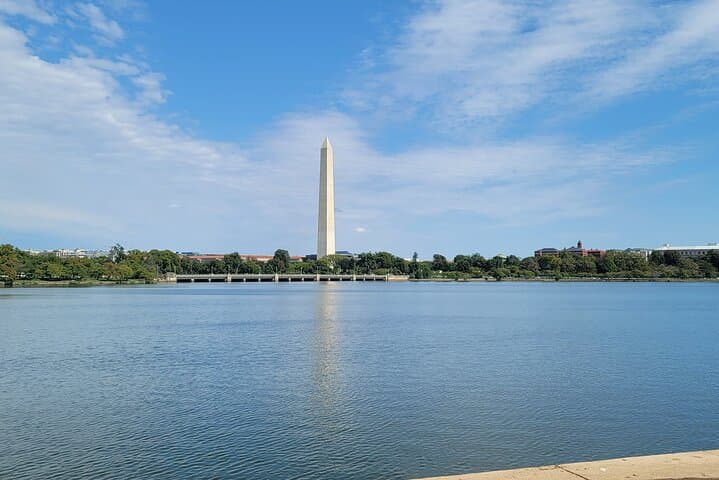
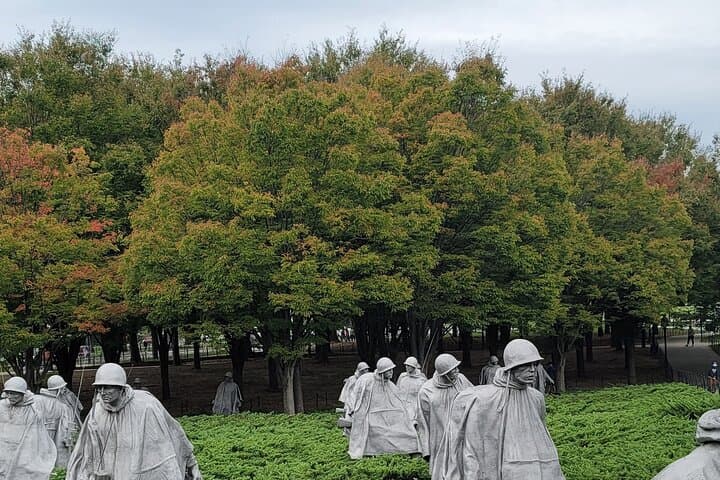
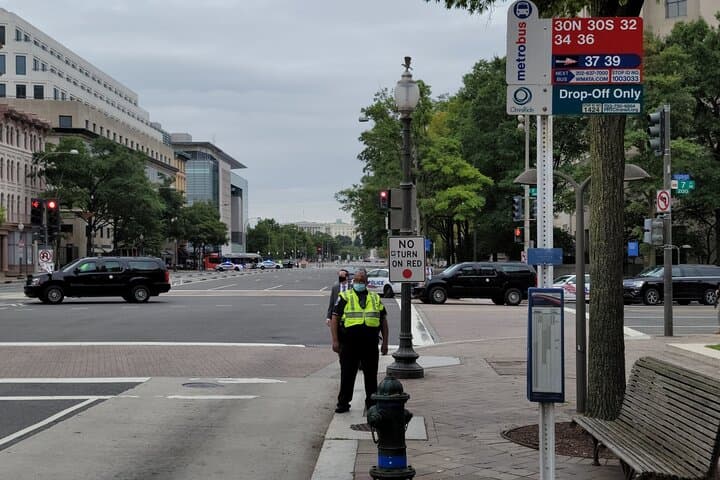

You board the van in Williamsburg as morning light pushes across the James River; by mid-morning the Potomac widens and the skyline of Washington, D.C. appears—low, deliberate, mapped by L’Enfant’s grid and defined by stone and bronze. The tour moves at a measured pace: a quiet stop at Arlington National Cemetery, then the great axial sweep of the National Mall where Lincoln sits in his Roman temple and the Vietnam and Korean memorials hold reflective crowds.
You board the van in Williamsburg as morning light pushes across the James River; by mid-morning the Potomac widens and the skyline of Washington, D.C. appears—low, deliberate, mapped by L’Enfant’s grid and defined by stone and bronze. The tour moves at a measured pace: a quiet stop at Arlington National Cemetery, then the great axial sweep of the National Mall where Lincoln sits in his Roman temple and the Vietnam and Korean memorials hold reflective crowds.
Geology here is subtle: the city sits on the Fall Line where the Piedmont meets the coastal plain, and the Potomac’s tidal reach shapes views and promenades. History presses close—Civil War graves, New Deal-era sculptures, and Civil Rights memorials marking a century of national debate and change. Culture is visible in small ways: school groups, veterans pausing, and scattered food carts selling quick local fare.
Practically, expect a lot of short walks and photo stops with periods of driving between sites. Morning departure (about 9 a.m.) leaves time for cooler temperatures at the outdoor monuments; the itinerary includes about 12–15 hours total with roughly two hours of free time for lunch. Most memorial areas are wheelchair accessible, but surfaces can be uneven; bring comfortable shoes, water, and weather-appropriate layers. Security lines and crowds are common at peak season—plan for slightly longer stops if you want museum interiors. Return to Williamsburg is late evening; this is a full day designed for travelers who want a concentrated, guided overview of the capital’s major memorials and civic landmarks.