THE ADVENTURE COLLECTIVE® · Independent discovery and booking for outdoor travel

Trade Cusco’s bustle for a full-day highland hike to Waqrapukara, an Inca-era watchtower at 4,300 m. Expect steep trails, panoramic ridgelines and a cultural visit to terraces, towers and Intipunku.
Trade Cusco’s bustle for a full-day highland hike to Waqrapukara, an Inca-era watchtower at 4,300 m. Expect steep trails, panoramic ridgelines and a cultural visit to terraces, towers and Intipunku.
At 4 a.m. the van slips out of Cusco into a sky still cooling from night; road lights thin and the Andes open like a gray map. You follow a ribbon of highway past the Pomacanchi lagoon, then into high puna where the wind has a way of testing your balance. By the time you leave the vehicle in Rinconada the sun has begun to chisel the ridgelines and the footpath climbs hard, scraping elevation until Waqrapukara’s stone forms appear on the skyline.
Verified experiences and guided adventures in the surrounding area.
Operated by Chullos Travel Peru · Cusco, Cusco
At 4 a.m. the van slips out of Cusco into a sky still cooling from night; road lights thin and the Andes open like a gray map. You follow a ribbon of highway past the Pomacanchi lagoon, then into high puna where the wind has a way of testing your balance. By the time you leave the vehicle in Rinconada the sun has begun to chisel the ridgelines and the footpath climbs hard, scraping elevation until Waqrapukara’s stone forms appear on the skyline.
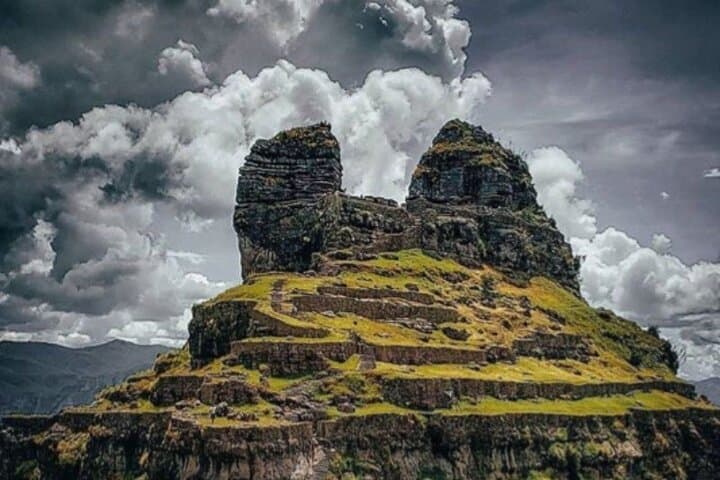
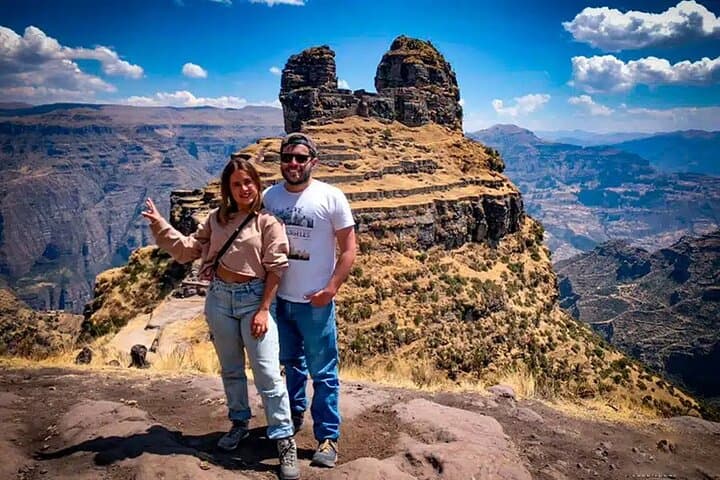
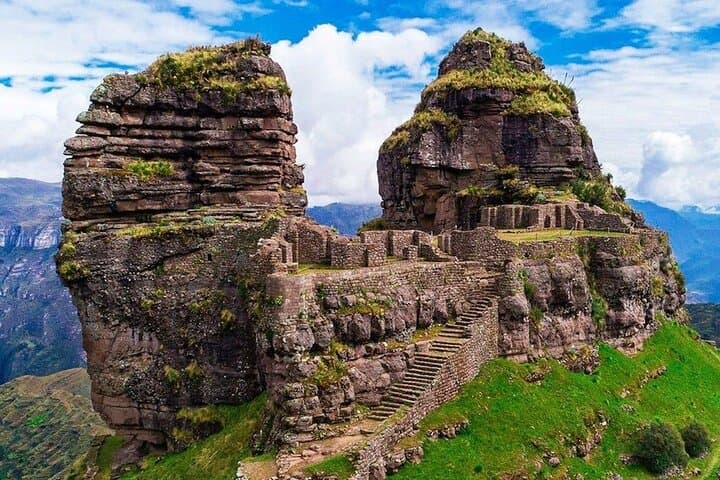
Waqrapukara—Quechua for “horn” and “watchtower”—sits on a steep crest at about 4,300 m. The site’s terraces, towers and Intipunku (door of the sun) reflect Inca military and ceremonial planning, carved into volcanic bedrock shaped by Andean uplift and glacial sculpting. Local communities around Pomacanchi still keep Quechua traditions alive; guides often share stories tying the ruins to pre-Columbian regional control and pilgrimage routes.
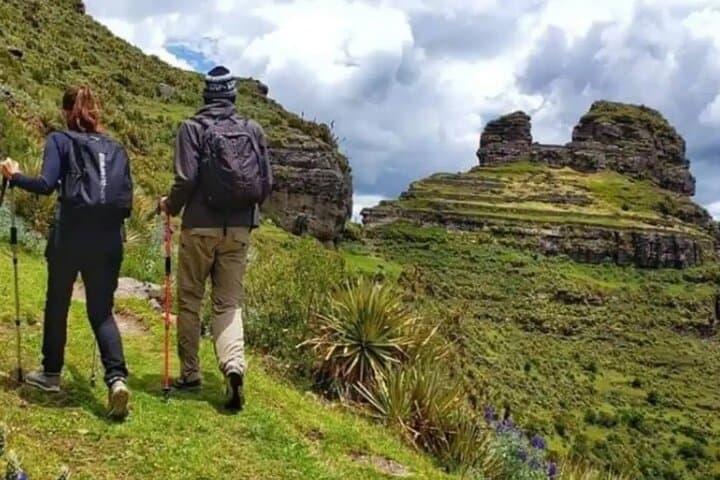
Expect 2.5–3 hours of steady uphill hiking from Rinconada on rocky, sometimes muddy trails with intermittent puna grass and dwarf shrubs. The high altitude makes every step heavier; mountain winds will push and test your layers. Practical tips: start early to avoid afternoon weather, sip water steadily, and budget time for slow breathing and photo stops.
This is a full-day excursion—transport, breakfast, lunch and oxygen assistance are included—so plan for a long return drive to Cusco. Good footwear, sun protection and pacing matter here: the reward is a rare viewpoint where Inca stone and highland sky lock eyes in clear, expansive silence.
challenging.
12–13 hours (full day).
Requires strong aerobic fitness, prior high-elevation hiking experience, and good acclimatization.
The approach is a steady 2.5–3 hour uphill from Rinconada with rocky trail; at 4,300 m the effort feels significantly harder—expect challenging aerobic demand.
Yes—acute mountain sickness is possible; acclimatize in Cusco, hydrate, ascend slowly and use included oxygen assistance if you feel symptoms.
Breakfast and lunch are included, but bring 2–3 liters of water, energy snacks and electrolyte tablets for the hike portion.
The dry season (May–September) offers clearer skies and firmer trails; avoid the wet months (Nov–Mar) when trails become muddy and afternoons storm-prone.
Waqrapukara was a horn-shaped watchtower and ceremonial complex used in the late pre-Hispanic era; its terraces and gateways align with regional Inca route networks.
The high-altitude grasslands are fragile—stick to established paths, carry out waste, and support local guides who help manage visitor impact.
Chullos Travel Peru operates guided outdoor trips and adventures with an emphasis on safety, stewardship, and memorable experiences.
At 4 a.m. the van slips out of Cusco into a sky still cooling from night; road lights thin and the Andes open like a gray map. You follow a ribbon of highway past the Pomacanchi lagoon, then into high puna where the wind has a way of testing your balance. By the time you leave the vehicle in Rinconada the sun has begun to chisel the ridgelines and the footpath climbs hard, scraping elevation until Waqrapukara’s stone forms appear on the skyline.
At 4 a.m. the van slips out of Cusco into a sky still cooling from night; road lights thin and the Andes open like a gray map. You follow a ribbon of highway past the Pomacanchi lagoon, then into high puna where the wind has a way of testing your balance. By the time you leave the vehicle in Rinconada the sun has begun to chisel the ridgelines and the footpath climbs hard, scraping elevation until Waqrapukara’s stone forms appear on the skyline.
Waqrapukara—Quechua for “horn” and “watchtower”—sits on a steep crest at about 4,300 m. The site’s terraces, towers and Intipunku (door of the sun) reflect Inca military and ceremonial planning, carved into volcanic bedrock shaped by Andean uplift and glacial sculpting. Local communities around Pomacanchi still keep Quechua traditions alive; guides often share stories tying the ruins to pre-Columbian regional control and pilgrimage routes.
Expect 2.5–3 hours of steady uphill hiking from Rinconada on rocky, sometimes muddy trails with intermittent puna grass and dwarf shrubs. The high altitude makes every step heavier; mountain winds will push and test your layers. Practical tips: start early to avoid afternoon weather, sip water steadily, and budget time for slow breathing and photo stops.
This is a full-day excursion—transport, breakfast, lunch and oxygen assistance are included—so plan for a long return drive to Cusco. Good footwear, sun protection and pacing matter here: the reward is a rare viewpoint where Inca stone and highland sky lock eyes in clear, expansive silence.