THE ADVENTURE COLLECTIVE® · Independent discovery and booking for outdoor travel

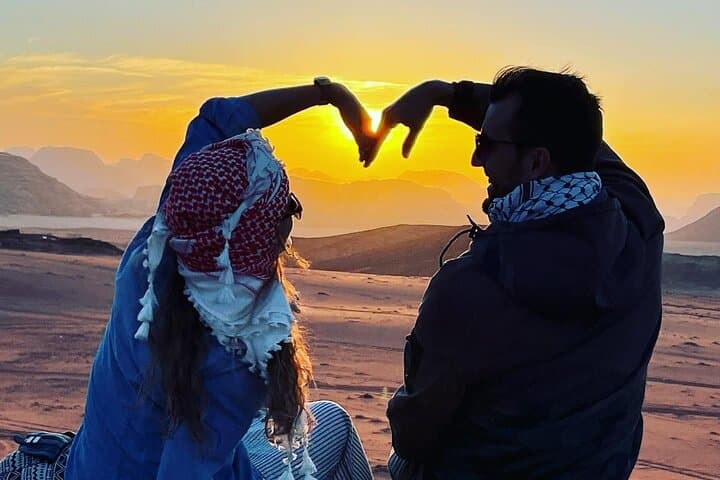
Spend a full day in Wadi Rum by camel and Jeep, moving from Lawrence Spring through dunes, Nabatean inscriptions and dramatic canyons before a Bedouin lunch and a desert sunset. Practical tips and terrain notes help you plan the day.
Spend a full day in Wadi Rum by camel and Jeep, moving from Lawrence Spring through dunes, Nabatean inscriptions and dramatic canyons before a Bedouin lunch and a desert sunset. Practical tips and terrain notes help you plan the day.
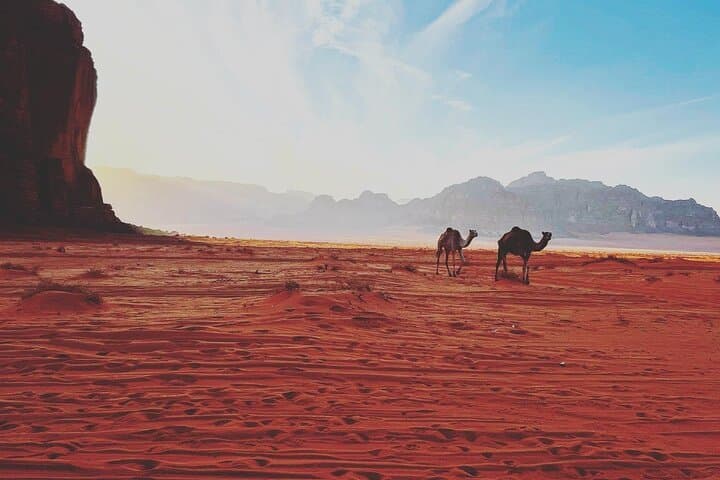
The morning light in Wadi Rum slants across red sandstone as a camel steps quietly toward Lawrence Spring; dust rises like a slow-moving tide and the desert seems to be watching. You begin with a gentle camel ride, then trade animal pace for a Jeep that threads between mushroom rocks, deep canyons, and wind-sculpted arches.
Verified experiences and guided adventures in the surrounding area.
Operated by Bedouin Life Style Day Tour · Wadi Rum Village, Aqaba Governorate
The morning light in Wadi Rum slants across red sandstone as a camel steps quietly toward Lawrence Spring; dust rises like a slow-moving tide and the desert seems to be watching. You begin with a gentle camel ride, then trade animal pace for a Jeep that threads between mushroom rocks, deep canyons, and wind-sculpted arches.
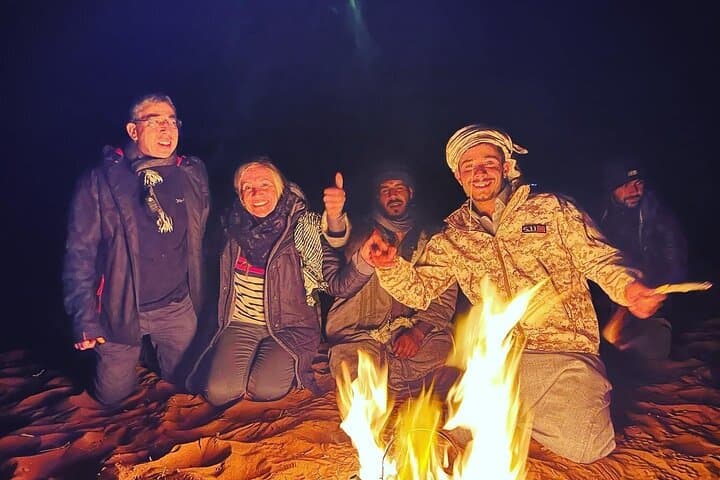
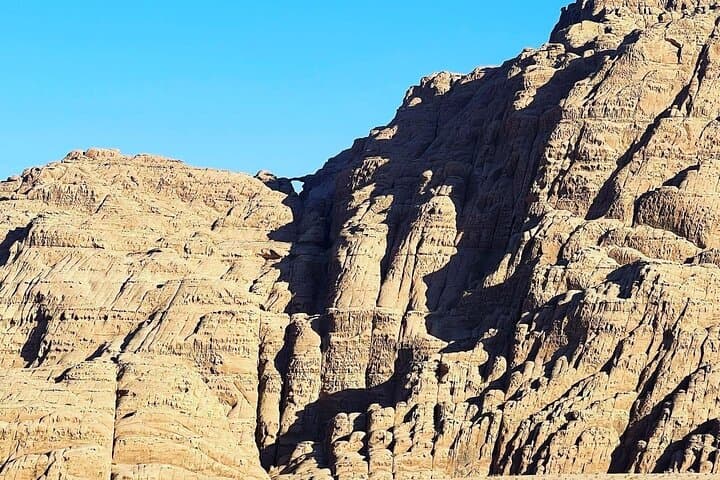
Geology here is raw: Cambrian sandstone carved by wind and rare flash floods into narrow gorges, natural bridges and towering dunes. History sits in the rock — Nabatean inscriptions mark ancient trade routes, and Lawrence’s House recalls the Arab Revolt’s desert logistics. Bedouin culture anchors the day; expect hospitality at a tented lunch where tea is poured ceremonially.
Stops include the Map of Wadi Rum, broad sand ridges where you can sprint down dunes or try sandboarding, Khazali and other narrow canyons with carvings, Burrah and Burdah canyons for late-afternoon color, and panoramic views from natural bridges. Most activity is short walks — typically 0.5–2 km per stop with modest climbs under ~100 m — on loose sand, compact desert gravel and steps cut into rock.
Practical edge: aim for morning or evening light for photography and cooler temps; carry 2–3 liters of water, high-SPF sunscreen and sturdy closed-toe shoes. The day is vehicle-led and family-friendly, but some sites require short, uneven climbs and shade is limited between canyons. Respect petroglyphs, accept that wind can turn gusty, and leave no trace — this landscape keeps its wildness only if visitors do.
easy.
8 hours.
Suitable for most fitness levels; involves short walks and easy climbs at several stops.
The camel segment is short and gentle—designed as an introduction to desert travel rather than extended trekking.
Yes — a Bedouin-cooked lunch, tea and bottled water are included in the tour price.
Yes — the tour is family-friendly; infants must sit on an adult's lap during the ride portions as noted by the operator.
Yes — dune areas are suitable for sandboarding; bring or rent a board locally if you want to try it.
Wadi Rum sits on ancient caravan routes; Nabatean traders left inscriptions and Lawrence of Arabia used local camps as staging points during the Arab Revolt.
Wadi Rum is a protected desert landscape — avoid touching rock art, stick to paths where marked, and carry out all non-biodegradable waste to preserve the fragile ecosystem.
Bedouin Life Style Day Tour operates guided outdoor trips and adventures with an emphasis on safety, stewardship, and memorable experiences.
The morning light in Wadi Rum slants across red sandstone as a camel steps quietly toward Lawrence Spring; dust rises like a slow-moving tide and the desert seems to be watching. You begin with a gentle camel ride, then trade animal pace for a Jeep that threads between mushroom rocks, deep canyons, and wind-sculpted arches.
The morning light in Wadi Rum slants across red sandstone as a camel steps quietly toward Lawrence Spring; dust rises like a slow-moving tide and the desert seems to be watching. You begin with a gentle camel ride, then trade animal pace for a Jeep that threads between mushroom rocks, deep canyons, and wind-sculpted arches.
Geology here is raw: Cambrian sandstone carved by wind and rare flash floods into narrow gorges, natural bridges and towering dunes. History sits in the rock — Nabatean inscriptions mark ancient trade routes, and Lawrence’s House recalls the Arab Revolt’s desert logistics. Bedouin culture anchors the day; expect hospitality at a tented lunch where tea is poured ceremonially.
Stops include the Map of Wadi Rum, broad sand ridges where you can sprint down dunes or try sandboarding, Khazali and other narrow canyons with carvings, Burrah and Burdah canyons for late-afternoon color, and panoramic views from natural bridges. Most activity is short walks — typically 0.5–2 km per stop with modest climbs under ~100 m — on loose sand, compact desert gravel and steps cut into rock.
Practical edge: aim for morning or evening light for photography and cooler temps; carry 2–3 liters of water, high-SPF sunscreen and sturdy closed-toe shoes. The day is vehicle-led and family-friendly, but some sites require short, uneven climbs and shade is limited between canyons. Respect petroglyphs, accept that wind can turn gusty, and leave no trace — this landscape keeps its wildness only if visitors do.