THE ADVENTURE COLLECTIVE® · Independent discovery and booking for outdoor travel

Explore Sal in a single loop: float in a crater pool, peer into natural salt pools, and pass through Espargos and fishing villages. This full-day guided tour balances geology, local culture, and accessible coastal wildlife viewing.
Explore Sal in a single loop: float in a crater pool, peer into natural salt pools, and pass through Espargos and fishing villages. This full-day guided tour balances geology, local culture, and accessible coastal wildlife viewing.
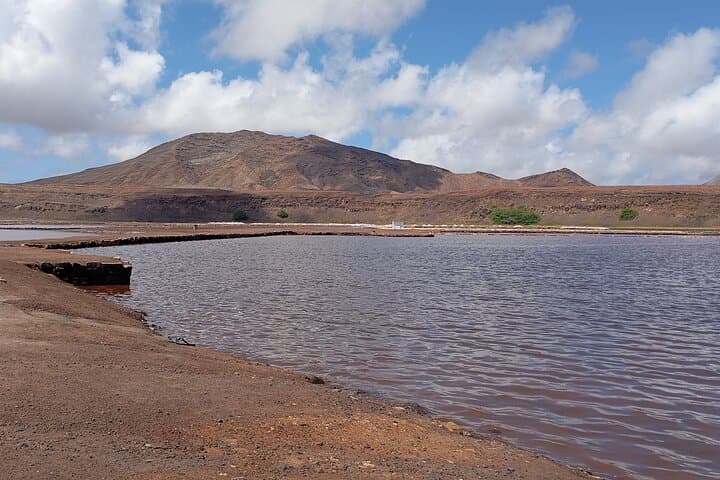
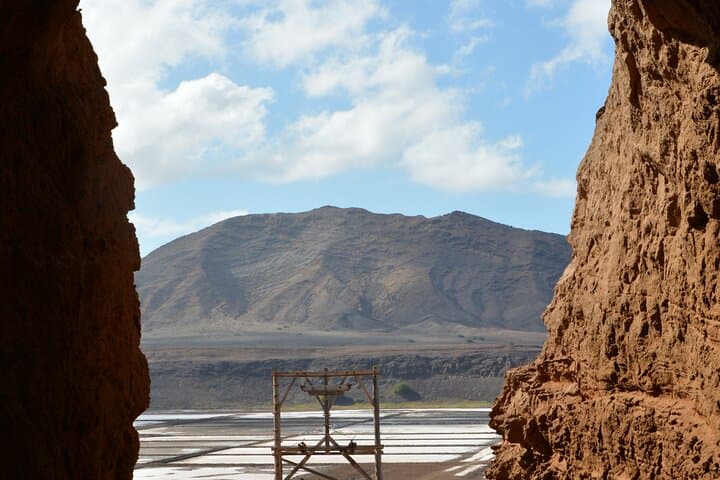
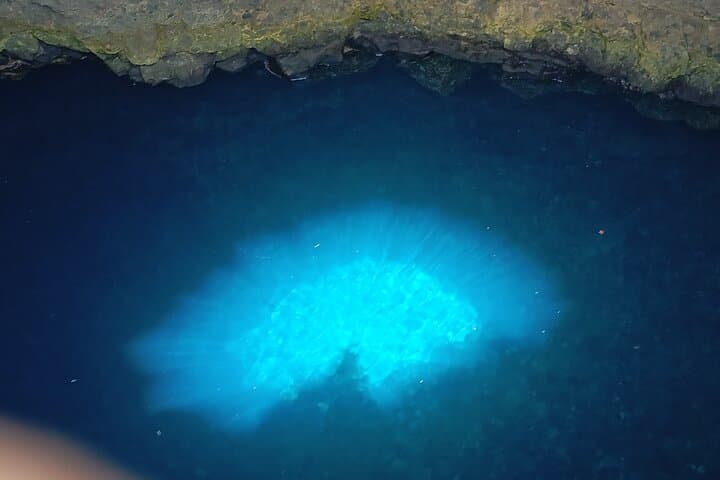
You step off an air-conditioned minivan into wind that has been shaping Sal for millennia—the Atlantic pressing against low volcanic ridges, the surf daring you from a distance while salt-slick basins glint inland. The day moves like a loop: a coastal glance, a city stroll, a shallow crater that holds still salt water, and pockets of blue that collect beneath basalt lips.
Verified experiences and guided adventures in the surrounding area.
Operated by Tour Sal · Santa Maria, Sal
You step off an air-conditioned minivan into wind that has been shaping Sal for millennia—the Atlantic pressing against low volcanic ridges, the surf daring you from a distance while salt-slick basins glint inland. The day moves like a loop: a coastal glance, a city stroll, a shallow crater that holds still salt water, and pockets of blue that collect beneath basalt lips.
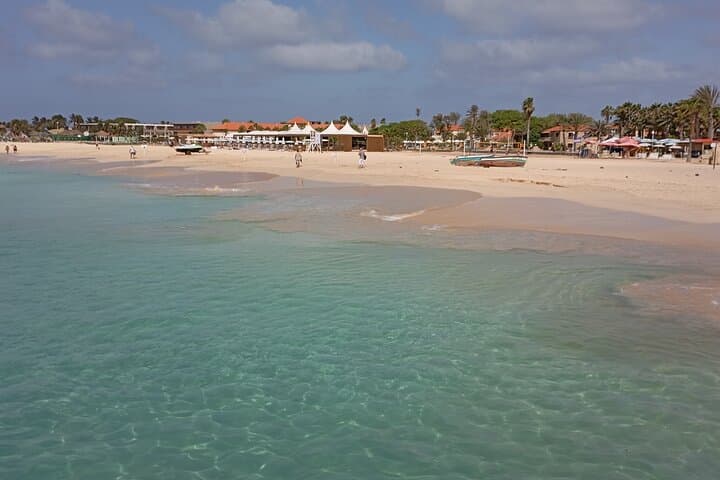
Sal’s landscape is recent geology—basalt flows and an extinct volcanic crater that traps denser salt water, creating float-friendly pools. Espargos, the island’s administrative center, grew in the 20th century around salt and aviation; Santa Maria began as a fishing village and now opens to tourists with low-rise houses and market stalls offering grogue and fresh catch.
Culturally, the tour threads local life into natural highlights: small fishing villages, kite beach where windsurfers coax gusts into speed, and a chance to see lemon sharks in shallow bays—surprisingly tame and part of the coastal ecosystem.
Practical guidance: plan for a 6–7 hour day with several short stops and one longer pool visit for floating. Bring reef shoes for rocky pools, a sun hat and strong sunscreen, and a light wind layer for afternoon breezes. Carry water and motion-sickness remedies if you’re sensitive; vehicle transfers are included and the route is accessible for most fitness levels.
Expect short walks, salty air, and photo-ready panoramas. The island’s elements are straightforward—wind that sculpts dunes, water that holds you briefly in the crater—and the logistics are uncomplicated: comfortable transport, multiple guided stops, and a pace that keeps the island’s character in focus.
easy.
6–7 hours.
Suitable for most fitness levels; involves short walks and standing at viewpoints—no sustained hiking required.
The excursion runs approximately 6–7 hours, with several short stops and one longer visit at the crater’s salt pool.
Yes—many stops include swimming or floating in protected natural pools; wear reef shoes and follow your guide’s instructions.
Transportation in an air-conditioned vehicle is included; pickup details are confirmed at booking.
The tour is described as physically easy and wheelchair accessible for many areas, though some pool access involves steps or uneven ground—check specific pickup and accessibility needs when booking.
Sal’s modern settlements grew around salt extraction and later aviation; Espargos became the island’s administrative hub while Santa Maria evolved from a fishing village into a tourist gateway.
Stick to marked areas and avoid stepping on algae or coral in pools; local guides help minimize impact and support community-based tourism.
Tour Sal operates guided outdoor trips and adventures with an emphasis on safety, stewardship, and memorable experiences.
You step off an air-conditioned minivan into wind that has been shaping Sal for millennia—the Atlantic pressing against low volcanic ridges, the surf daring you from a distance while salt-slick basins glint inland. The day moves like a loop: a coastal glance, a city stroll, a shallow crater that holds still salt water, and pockets of blue that collect beneath basalt lips.
You step off an air-conditioned minivan into wind that has been shaping Sal for millennia—the Atlantic pressing against low volcanic ridges, the surf daring you from a distance while salt-slick basins glint inland. The day moves like a loop: a coastal glance, a city stroll, a shallow crater that holds still salt water, and pockets of blue that collect beneath basalt lips.
Sal’s landscape is recent geology—basalt flows and an extinct volcanic crater that traps denser salt water, creating float-friendly pools. Espargos, the island’s administrative center, grew in the 20th century around salt and aviation; Santa Maria began as a fishing village and now opens to tourists with low-rise houses and market stalls offering grogue and fresh catch.
Culturally, the tour threads local life into natural highlights: small fishing villages, kite beach where windsurfers coax gusts into speed, and a chance to see lemon sharks in shallow bays—surprisingly tame and part of the coastal ecosystem.
Practical guidance: plan for a 6–7 hour day with several short stops and one longer pool visit for floating. Bring reef shoes for rocky pools, a sun hat and strong sunscreen, and a light wind layer for afternoon breezes. Carry water and motion-sickness remedies if you’re sensitive; vehicle transfers are included and the route is accessible for most fitness levels.
Expect short walks, salty air, and photo-ready panoramas. The island’s elements are straightforward—wind that sculpts dunes, water that holds you briefly in the crater—and the logistics are uncomplicated: comfortable transport, multiple guided stops, and a pace that keeps the island’s character in focus.