THE ADVENTURE COLLECTIVE® · Independent discovery and booking for outdoor travel

A private full-day tour from Tokyo that pairs Nikko’s ornate Toshogu Shrine with the punch of Kegon Falls and the calm of Lake Chūzenji. Ideal for travelers who want cultural depth, dramatic scenery, and a paced, private experience.
A private full-day tour from Tokyo that pairs Nikko’s ornate Toshogu Shrine with the punch of Kegon Falls and the calm of Lake Chūzenji. Ideal for travelers who want cultural depth, dramatic scenery, and a paced, private experience.
Morning light cuts across the cedar alleys of Nikkō as a private vehicle winds up from the plains toward mountain air that smells faintly of pine and wood smoke.
Verified experiences and guided adventures in the surrounding area.
Operated by Sato · Nikko, Tochigi
Morning light cuts across the cedar alleys of Nikkō as a private vehicle winds up from the plains toward mountain air that smells faintly of pine and wood smoke.
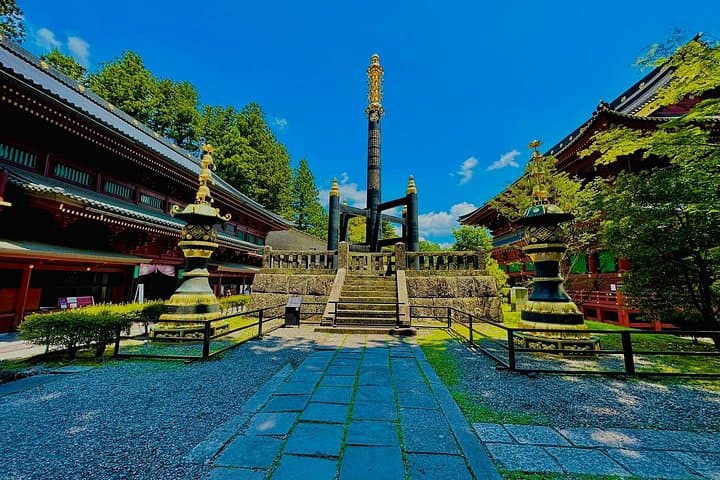
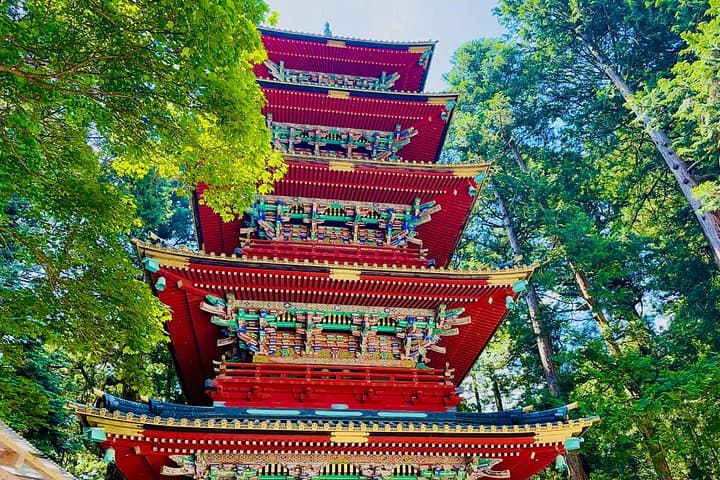
You begin at Toshogu, where lacquered carvings and painted eaves crowd a single-minded narrative: Tokugawa Ieyasu’s rise reshaped Japan. Walk the polished stone approaches, pause at the famous Yomeimon gate, and feel the deliberate hush of a site elevated to UNESCO World Heritage status.
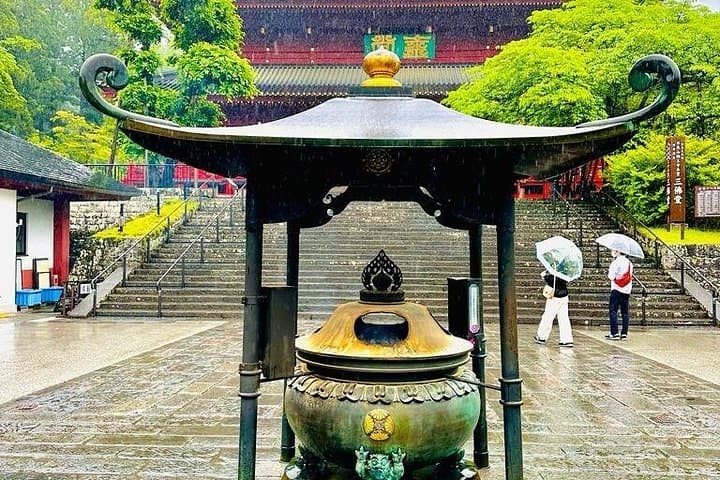
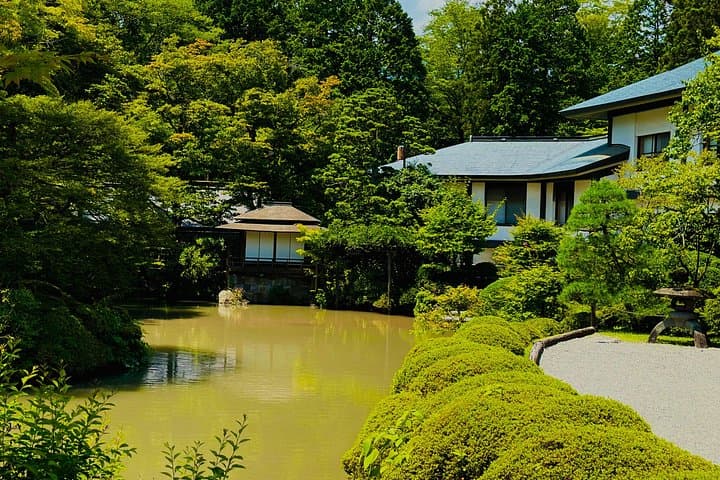
A short drive higher brings Rinnō-ji’s gilded Buddhas and the Tokugawa garden—careful landscape design that frames views of volcanic ridgelines. Kegon Falls drops nearly 100 meters with a resolute, thundering voice; an elevator (historic, steeped in Showa-era tourism) takes you to a viewing platform for close, spray-scented perspective. Lake Chūzenji’s broad surface lies like a cooling bowl at the mountain’s foot, and on clear days the opposite shore and seasonal colors are sharply drawn.
This route blends cultural history, Edo-period politics, and volcanic geology—granite and volcanic tuff shaped by glaciers and streams—while offering accessible walking and short convenient transfers.
Practical guidance: expect a full 12-hour day with multiple short walks on uneven stone and boardwalks; bring layered clothing for variable mountain weather, a rain shell for sudden showers, and cash for small shrine fees and the Shinkyō bridge entrance. Visit in autumn for peak colors, or spring for quieter temple lanes. The private format means flexible pacing—ask to linger at the museum or skip the elevator if mobility is a concern.
easy.
12 hours.
Suitable for most fitness levels; expect short standing periods and walks on uneven stone and boardwalks.
This private tour runs about 12 hours total; expect 1–2 hours at Toshogu, 30–60 minutes at Rinnō-ji/museum, and 1–2 hours at Kegon Falls and Lake Chūzenji including photo stops.
The tour description notes admissions are not included—bring cash for shrine/museum and Shinkyo bridge fees or confirm with the operator in advance.
Some areas and transport are wheelchair accessible, but historic shrine approaches and viewing platforms may have steps; check specifics with the provider before booking.
Peak foliage usually occurs from mid‑October to early November depending on elevation and yearly weather patterns.
Nikkō’s shrine complex honors Tokugawa Ieyasu; its ornate Edo-era architecture commemorates the shogunate’s political and cultural reach.
The UNESCO status helps protect sites but visitor pressure is high; stick to paths, avoid feeding wildlife, and dispose of waste responsibly.
Sato operates guided outdoor trips and adventures with an emphasis on safety, stewardship, and memorable experiences.
Morning light cuts across the cedar alleys of Nikkō as a private vehicle winds up from the plains toward mountain air that smells faintly of pine and wood smoke.
Morning light cuts across the cedar alleys of Nikkō as a private vehicle winds up from the plains toward mountain air that smells faintly of pine and wood smoke.
You begin at Toshogu, where lacquered carvings and painted eaves crowd a single-minded narrative: Tokugawa Ieyasu’s rise reshaped Japan. Walk the polished stone approaches, pause at the famous Yomeimon gate, and feel the deliberate hush of a site elevated to UNESCO World Heritage status.
A short drive higher brings Rinnō-ji’s gilded Buddhas and the Tokugawa garden—careful landscape design that frames views of volcanic ridgelines. Kegon Falls drops nearly 100 meters with a resolute, thundering voice; an elevator (historic, steeped in Showa-era tourism) takes you to a viewing platform for close, spray-scented perspective. Lake Chūzenji’s broad surface lies like a cooling bowl at the mountain’s foot, and on clear days the opposite shore and seasonal colors are sharply drawn.
This route blends cultural history, Edo-period politics, and volcanic geology—granite and volcanic tuff shaped by glaciers and streams—while offering accessible walking and short convenient transfers.
Practical guidance: expect a full 12-hour day with multiple short walks on uneven stone and boardwalks; bring layered clothing for variable mountain weather, a rain shell for sudden showers, and cash for small shrine fees and the Shinkyō bridge entrance. Visit in autumn for peak colors, or spring for quieter temple lanes. The private format means flexible pacing—ask to linger at the museum or skip the elevator if mobility is a concern.