THE ADVENTURE COLLECTIVE® · Independent discovery and booking for outdoor travel

A full-day trek from Cusco to Vinicunca (Rainbow Mountain) delivers high-altitude scenery and surreal mineral bands. Prepare for a long, steep ascent to over 5,000 m, sudden weather, and unforgettable panoramic views.
A full-day trek from Cusco to Vinicunca (Rainbow Mountain) delivers high-altitude scenery and surreal mineral bands. Prepare for a long, steep ascent to over 5,000 m, sudden weather, and unforgettable panoramic views.
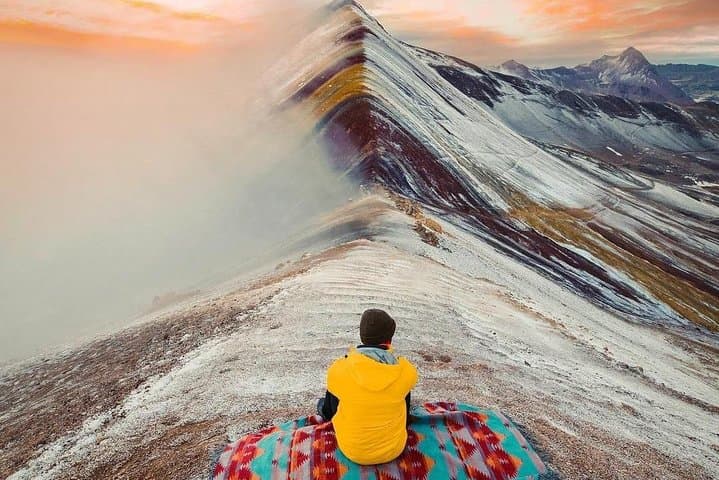
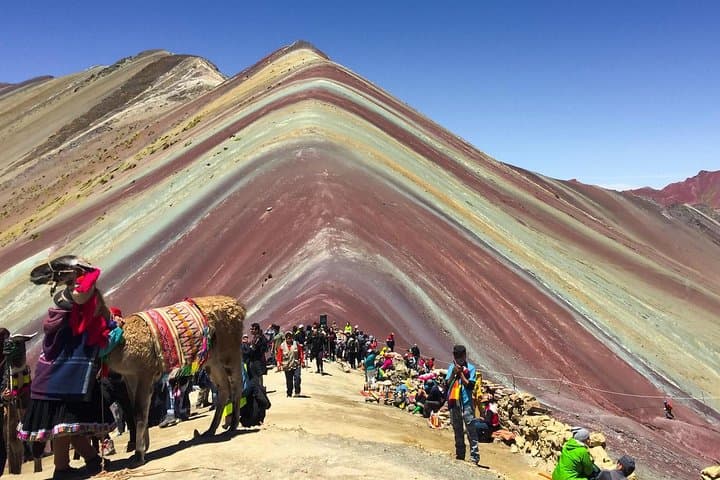
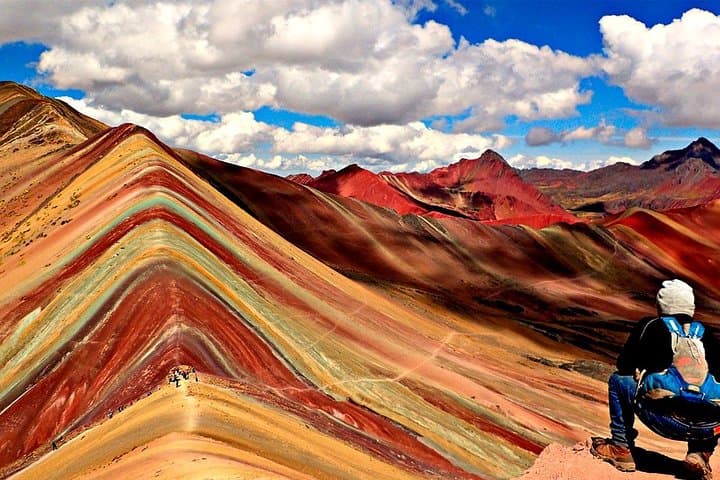
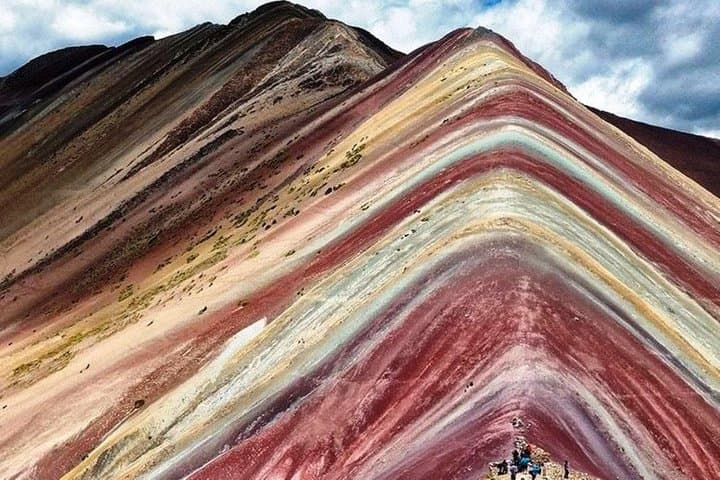
You leave Cusco before dawn, headlights cutting through a thin Andean mist as the road climbs toward the high puna. By midmorning the air is thin and clear; the trail snakes through tussock grass, grazing llamas, and slopes that shift from iron-red to ochre and mint as oxidized minerals catch the sun. Reaching Vinicunca’s ridgeline feels immediate—one step, a pause for breath, then the colors unfolding like pages in a geological atlas.
Verified experiences and guided adventures in the surrounding area.
Operated by GO PERU ADVENTURE · Cusco, Cusco
You leave Cusco before dawn, headlights cutting through a thin Andean mist as the road climbs toward the high puna. By midmorning the air is thin and clear; the trail snakes through tussock grass, grazing llamas, and slopes that shift from iron-red to ochre and mint as oxidized minerals catch the sun. Reaching Vinicunca’s ridgeline feels immediate—one step, a pause for breath, then the colors unfolding like pages in a geological atlas.
The mountain sits on the eastern flanks of Ausangate, a massif long held sacred by Quechua communities. The vivid bands are a surface expression of iron oxides, copper minerals and clay deposits exposed by glacial retreat and erosion; the result is both natural chemistry and recent climate-driven thaw. Local highland villages—Pampachiri, Pitumarca, Checacupe—still keep Andean herding traditions and invite respectful interaction with llamas, textiles and small roadside markets.
Practically: expect a full day (11–12 hours door-to-door), a steep 3–4 hour ascent to roughly 5,100–5,200 m, and sudden weather shifts. Start very early to avoid crowds and afternoon storms. Hydrate and pace your breathing for altitude; the operator includes breakfast, lunch, and oxygen but not the S/10 entrance fee or optional horse assistance. Footwear with solid ankle support and layered insulation matter more than speed here—this is altitude endurance more than technical climbing.
Plan for sun, wind and cold; schedule a rest day in Cusco beforehand to acclimatize. The payoff is immediate: standing on the ridge, colors moving with the light, the puna wind pushing you forward and the Andes wide open beneath your feet.
challenging.
11–12 hours.
Good cardiovascular fitness and prior high-altitude experience or acclimatization recommended
The trail reaches the Vinicunca viewpoint at roughly 5,100–5,200 meters; road and start points are lower but still high, so plan for altitude effects.
Physically fit beginners who are properly acclimatized can do it, but the altitude and steep sections make it challenging—consider hiring a horse if needed.
Facilities are minimal: expect small market stalls and portable toilets at the main viewpoint; bring water, snacks, and cash for purchases.
Tours may continue in light snow or wind, but operators may advise alternatives or cancellations in severe conditions—check the cancellation policy and insurance.
Vinicunca sits on trails used by Andean communities for centuries; Ausangate is an Apu (sacred mountain) in Quechua cosmology and remains culturally significant.
The site sees heavy seasonal visitation that accelerates trail erosion and litter; stick to established paths, hire local guides, and pay entrance fees that support management.
GO PERU ADVENTURE operates guided outdoor trips and adventures with an emphasis on safety, stewardship, and memorable experiences.
You leave Cusco before dawn, headlights cutting through a thin Andean mist as the road climbs toward the high puna. By midmorning the air is thin and clear; the trail snakes through tussock grass, grazing llamas, and slopes that shift from iron-red to ochre and mint as oxidized minerals catch the sun. Reaching Vinicunca’s ridgeline feels immediate—one step, a pause for breath, then the colors unfolding like pages in a geological atlas.
You leave Cusco before dawn, headlights cutting through a thin Andean mist as the road climbs toward the high puna. By midmorning the air is thin and clear; the trail snakes through tussock grass, grazing llamas, and slopes that shift from iron-red to ochre and mint as oxidized minerals catch the sun. Reaching Vinicunca’s ridgeline feels immediate—one step, a pause for breath, then the colors unfolding like pages in a geological atlas.
The mountain sits on the eastern flanks of Ausangate, a massif long held sacred by Quechua communities. The vivid bands are a surface expression of iron oxides, copper minerals and clay deposits exposed by glacial retreat and erosion; the result is both natural chemistry and recent climate-driven thaw. Local highland villages—Pampachiri, Pitumarca, Checacupe—still keep Andean herding traditions and invite respectful interaction with llamas, textiles and small roadside markets.
Practically: expect a full day (11–12 hours door-to-door), a steep 3–4 hour ascent to roughly 5,100–5,200 m, and sudden weather shifts. Start very early to avoid crowds and afternoon storms. Hydrate and pace your breathing for altitude; the operator includes breakfast, lunch, and oxygen but not the S/10 entrance fee or optional horse assistance. Footwear with solid ankle support and layered insulation matter more than speed here—this is altitude endurance more than technical climbing.
Plan for sun, wind and cold; schedule a rest day in Cusco beforehand to acclimatize. The payoff is immediate: standing on the ridge, colors moving with the light, the puna wind pushing you forward and the Andes wide open beneath your feet.