THE ADVENTURE COLLECTIVE® · Independent discovery and booking for outdoor travel

Start before sunrise from Cusco and follow a high-Andean trail to Vinicunca, the famous Rainbow Mountain. This full-day excursion mixes cultural context, alpine terrain and dramatic mineral-striped vistas at over 5,000 m.
Start before sunrise from Cusco and follow a high-Andean trail to Vinicunca, the famous Rainbow Mountain. This full-day excursion mixes cultural context, alpine terrain and dramatic mineral-striped vistas at over 5,000 m.
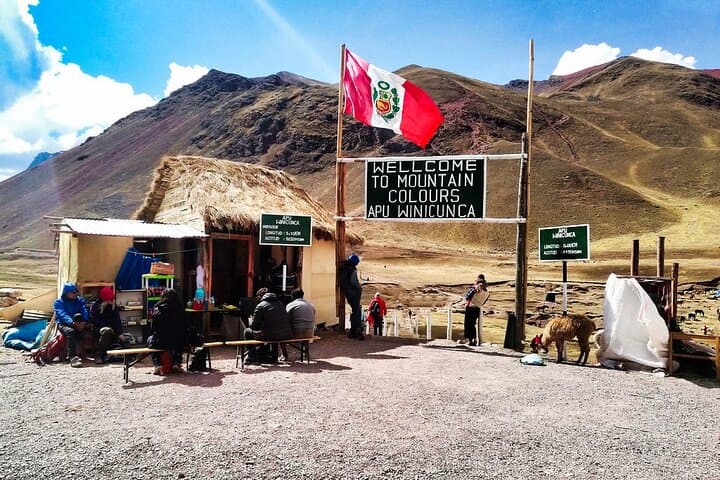
Morning light hits a high plateau and the air tastes thin and sharp — you step out of the minivan with Cusco still shrinking behind you and the Andes opening wider. The trail rises through puna grass and past grazing alpacas, each step a reminder that this is high-country walking: wind that pushes, sun that demands respect, and a horizon of banded rock that seems to have been painted in strokes of ochre and turquoise.
Verified experiences and guided adventures in the surrounding area.
Operated by Nuna Expeditions · Cusco, Cusco Region
Morning light hits a high plateau and the air tastes thin and sharp — you step out of the minivan with Cusco still shrinking behind you and the Andes opening wider. The trail rises through puna grass and past grazing alpacas, each step a reminder that this is high-country walking: wind that pushes, sun that demands respect, and a horizon of banded rock that seems to have been painted in strokes of ochre and turquoise.
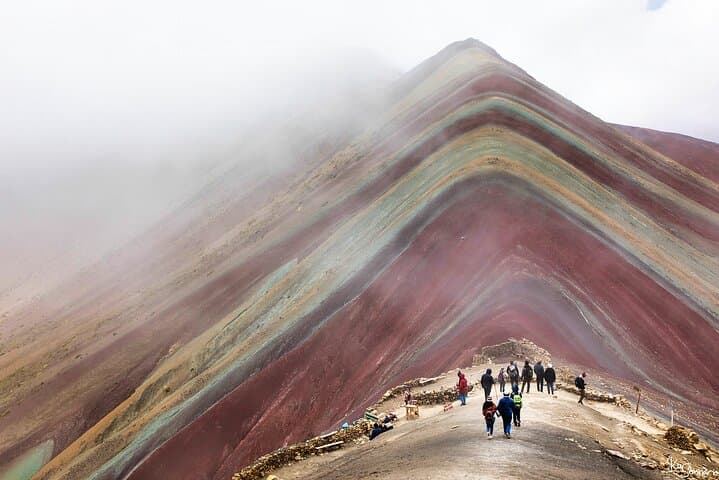
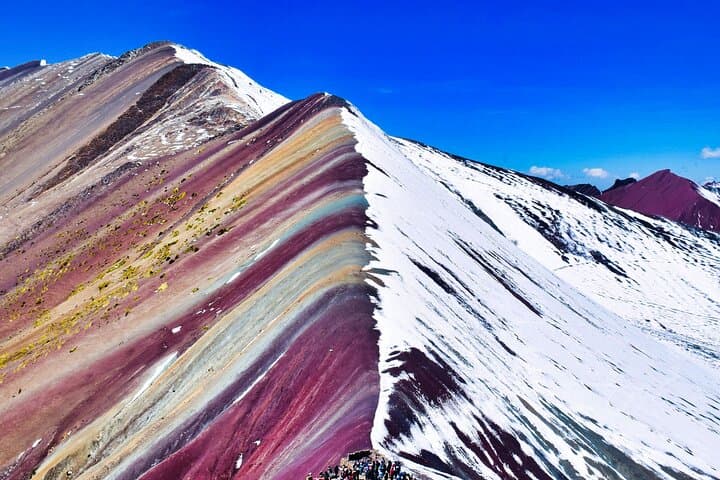
Vinicunca (Montaña de Siete Colores) sits above 5,000 meters, its stripes formed by millennia of mineral deposits and glacial shaping. Quechua communities in the region have long considered these peaks part of an animating mountain world; guides on the route typically weave local legends and practical history into the climb. Geologically, the ridges reveal iron, copper and other oxides laid down under alternating wet and dry conditions — the colors intensify when sunlight is angled just right.
Expect a steady ascent on well-trodden, often rocky paths with strategic photo stops. Guides from Cusco run early departures to catch the best light and thinner crowds; most tours include hotel pickup, breakfast, and a buffet lunch at a local eatery, and carry emergency oxygen.
Practical tips: drink water in the hours before you go, pace your breathing on the climb, and time photos mid-morning for stronger colors. Footwear with grip, windproof layers and sun protection aren't optional — they make the difference between a memorable summit and a miserable afternoon. The reward is clear: a short, high-altitude pilgrimage to one of the most dramatic color shows the Andes offer.
challenging.
13–14 hours.
Good aerobic fitness and experience with multihour hikes at altitude; ability to walk 3–5 hours with short breaks.
The viewpoint sits around 5,000 m (16,400 ft); many visitors experience mild symptoms — headache, shortness of breath — so acclimatization and slow pacing are important.
No technical climbing is required; the challenge is the steep, sustained ascent at high elevation rather than technical terrain.
Most tours include hotel pickup, breakfast, guide, entrance fee, a buffet lunch, and emergency oxygen; check your operator for specifics.
Mid- to late-morning often provides the best light and color contrast after early haze burns off, but conditions vary with season and cloud cover.
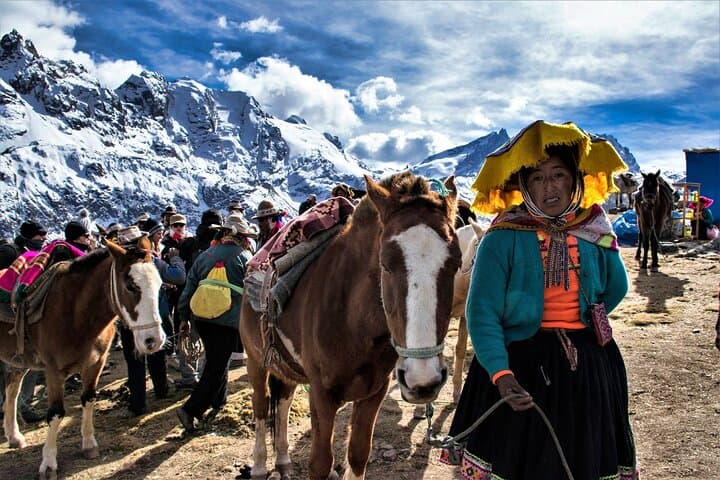
The area is within traditional Quechua territory; local communities maintain pastoral lifestyles and share cultural stories about the mountains' spiritual significance.
High visitor numbers stress fragile puna soils and grazing lands; stick to trails, pack out waste, and support local services that reinvest in the community.
Nuna Expeditions operates guided outdoor trips and adventures with an emphasis on safety, stewardship, and memorable experiences.
Morning light hits a high plateau and the air tastes thin and sharp — you step out of the minivan with Cusco still shrinking behind you and the Andes opening wider. The trail rises through puna grass and past grazing alpacas, each step a reminder that this is high-country walking: wind that pushes, sun that demands respect, and a horizon of banded rock that seems to have been painted in strokes of ochre and turquoise.
Morning light hits a high plateau and the air tastes thin and sharp — you step out of the minivan with Cusco still shrinking behind you and the Andes opening wider. The trail rises through puna grass and past grazing alpacas, each step a reminder that this is high-country walking: wind that pushes, sun that demands respect, and a horizon of banded rock that seems to have been painted in strokes of ochre and turquoise.
Vinicunca (Montaña de Siete Colores) sits above 5,000 meters, its stripes formed by millennia of mineral deposits and glacial shaping. Quechua communities in the region have long considered these peaks part of an animating mountain world; guides on the route typically weave local legends and practical history into the climb. Geologically, the ridges reveal iron, copper and other oxides laid down under alternating wet and dry conditions — the colors intensify when sunlight is angled just right.
Expect a steady ascent on well-trodden, often rocky paths with strategic photo stops. Guides from Cusco run early departures to catch the best light and thinner crowds; most tours include hotel pickup, breakfast, and a buffet lunch at a local eatery, and carry emergency oxygen.
Practical tips: drink water in the hours before you go, pace your breathing on the climb, and time photos mid-morning for stronger colors. Footwear with grip, windproof layers and sun protection aren't optional — they make the difference between a memorable summit and a miserable afternoon. The reward is clear: a short, high-altitude pilgrimage to one of the most dramatic color shows the Andes offer.