THE ADVENTURE COLLECTIVE® · Independent discovery and booking for outdoor travel

Tackle a long, high-altitude day from Cusco to Vinicunca (Rainbow Mountain) and the adjacent Red Valley—an 8–10 km hike through dramatic mineral stripes, alpaca pastures and ever-changing mountain weather. Learn what to expect, how to prepare, and practical details for a safe, rewarding day in the high Andes.
Tackle a long, high-altitude day from Cusco to Vinicunca (Rainbow Mountain) and the adjacent Red Valley—an 8–10 km hike through dramatic mineral stripes, alpaca pastures and ever-changing mountain weather. Learn what to expect, how to prepare, and practical details for a safe, rewarding day in the high Andes.
Dawn in the high Andes feels thin and electric: you step from the minivan into a wind that seems to push the sky itself, strap on boots and watch clouds peel away from serrated snowfields as the first light picks out bands of ochre and rust. The trail rises steadily, cutting through puna grass and scattered alpaca herds before the colors of Vinicunca—stripes of iron-rich red, green, and ochre—appear like a painted crest above the pass.
Verified experiences and guided adventures in the surrounding area.
Operated by New Adventures Peru Travel · Cusco, Cusco Region
Dawn in the high Andes feels thin and electric: you step from the minivan into a wind that seems to push the sky itself, strap on boots and watch clouds peel away from serrated snowfields as the first light picks out bands of ochre and rust. The trail rises steadily, cutting through puna grass and scattered alpaca herds before the colors of Vinicunca—stripes of iron-rich red, green, and ochre—appear like a painted crest above the pass.
This route threads local history and geology: these bands are layers of mineral deposits laid down and tilted by tectonic uplift and exposed by glacial retreat. The area sits on Quechua-speaking lands where llamas and alpacas remain central to daily life; small shepherding communities still use highland pastures and maintain stone corrals that hikers pass on the way.
Expect a serious day: total door-to-door is roughly 9–10 hours with 8–10 km of walking on uneven trails and an elevation gain of about 450–600 m to peaks near 5,200 m. Terrain alternates packed earth, loose scree and grassy slopes; weather can switch from strong sun to sleet in an hour. Guides from Cusco provide pickup, hot breakfast at the trailhead, snacks, and a cooked lunch after the hike—helpful logistics when altitude and changeable weather are factors.
Practical approach: acclimatize in Cusco for 48–72 hours, carry water and high-calorie snacks, layer for wind and sun, and set a steady rhythm. If you move slowly and respect altitude, the reward is a landscape that feels both raw and vividly colored—an alpine stage that dares you to keep climbing.
challenging.
9–10 hours (door-to-door).
Good aerobic fitness advised and prior short hikes at altitude helpful; must be able to walk steady uphill for several hours.
Vinicunca's summit area reaches roughly 5,100–5,200 m; the hike is challenging mainly due to altitude—expect 8–10 km round-trip with up to ~450–600 m of ascent.
Yes—spend at least 48 hours in Cusco (3,300 m) and avoid heavy exertion before the hike to reduce altitude sickness risk.
Typical inclusions are hotel pickup and drop-off in Cusco, private transport to the trailhead, hot breakfast, snacks, a cooked lunch, an English-speaking guide, and basic first-aid/oxygen support.
The dry season (May–September) offers the most stable weather and clearer views; shoulder months can work but expect higher likelihood of storms.
The Rainbow Mountain area sits in traditional Quechua territory; the colorful strata reflect millions of years of sedimentary deposition and uplift as the Andes formed.
High foot traffic has increased erosion and waste; stick to marked trails, hire local guides, and pack out trash—supporting community-run services helps fund trail maintenance.
New Adventures Peru Travel operates guided outdoor trips and adventures with an emphasis on safety, stewardship, and memorable experiences.
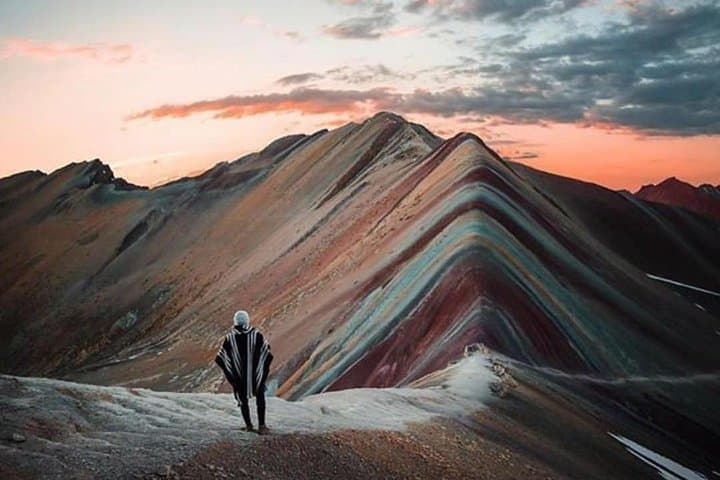
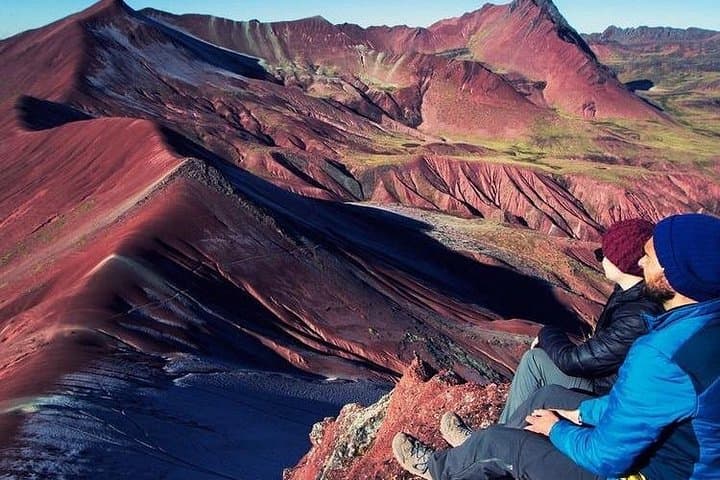

Dawn in the high Andes feels thin and electric: you step from the minivan into a wind that seems to push the sky itself, strap on boots and watch clouds peel away from serrated snowfields as the first light picks out bands of ochre and rust. The trail rises steadily, cutting through puna grass and scattered alpaca herds before the colors of Vinicunca—stripes of iron-rich red, green, and ochre—appear like a painted crest above the pass.
Dawn in the high Andes feels thin and electric: you step from the minivan into a wind that seems to push the sky itself, strap on boots and watch clouds peel away from serrated snowfields as the first light picks out bands of ochre and rust. The trail rises steadily, cutting through puna grass and scattered alpaca herds before the colors of Vinicunca—stripes of iron-rich red, green, and ochre—appear like a painted crest above the pass.
This route threads local history and geology: these bands are layers of mineral deposits laid down and tilted by tectonic uplift and exposed by glacial retreat. The area sits on Quechua-speaking lands where llamas and alpacas remain central to daily life; small shepherding communities still use highland pastures and maintain stone corrals that hikers pass on the way.
Expect a serious day: total door-to-door is roughly 9–10 hours with 8–10 km of walking on uneven trails and an elevation gain of about 450–600 m to peaks near 5,200 m. Terrain alternates packed earth, loose scree and grassy slopes; weather can switch from strong sun to sleet in an hour. Guides from Cusco provide pickup, hot breakfast at the trailhead, snacks, and a cooked lunch after the hike—helpful logistics when altitude and changeable weather are factors.
Practical approach: acclimatize in Cusco for 48–72 hours, carry water and high-calorie snacks, layer for wind and sun, and set a steady rhythm. If you move slowly and respect altitude, the reward is a landscape that feels both raw and vividly colored—an alpine stage that dares you to keep climbing.