THE ADVENTURE COLLECTIVE® · Independent discovery and booking for outdoor travel

A pre-dawn drive from Cusco delivers you into the high Andes, where Vinicunca’s banded slopes unfold in mineral reds, greens and ochres. This practical guide explains what you’ll see, how hard the walk is, and how to prepare for the thin-air conditions.
A pre-dawn drive from Cusco delivers you into the high Andes, where Vinicunca’s banded slopes unfold in mineral reds, greens and ochres. This practical guide explains what you’ll see, how hard the walk is, and how to prepare for the thin-air conditions.
You leave Cusco before dawn, windows fogging as the Andean night gives way to a cold, violet light. The road climbs past puna grass and herds of llamas; by the time the bus drops you at the Fulam Wasi Pata parking, the air is thin and the first ridges of color catch the sun. The final climb is a steady, sometimes loose ascent—each switchback brings a broader view of the red valleys and the snow-capped silhouette of Ausangate daring you onward.
Verified experiences and guided adventures in the surrounding area.
Operated by Inkas Machupicchu Explorer · Cusco, Cusco
You leave Cusco before dawn, windows fogging as the Andean night gives way to a cold, violet light. The road climbs past puna grass and herds of llamas; by the time the bus drops you at the Fulam Wasi Pata parking, the air is thin and the first ridges of color catch the sun. The final climb is a steady, sometimes loose ascent—each switchback brings a broader view of the red valleys and the snow-capped silhouette of Ausangate daring you onward.
Geologically, Vinicunca’s bands are painted by iron oxides, clays and mineral salts compressed over millennia, then exposed by glacial and fluvial erosion. Culturally the mountain is an Apu—sacred to local Quechua communities who still graze alpacas and practice seasonal rituals in the high pastures. Expect to hear Quechua greetings and see handcrafted textiles for sale at the trailhead.
Practically, this is an all-day outing (about 11–12 hours door-to-door). The uphill trek from the parking area takes roughly 1–1.5 hours each way, covering ~4–6 km round-trip with 400–600 m of elevation gain, topping out at roughly 5,000–5,200 m. Terrain is high-altitude tundra, rocky switchbacks and intermittent scree.
Plan for rapid weather shifts: sun, wind and rain can arrive the same hour. Acclimatize in Cusco for 48+ hours if possible, carry layers, sun protection and at least 2 liters of water, and use walking poles for stability. Respect local guides and stay on designated paths to limit erosion and protect this fragile alpine landscape.
moderate.
11–12 hours.
Requires moderate fitness and ability to walk uphill at high altitude; prior cardio conditioning helpful.
Expect roughly 1 to 1.5 hours uphill and about 1 hour down; total walking distance is about 4–6 km round-trip depending on the exact trail.
Yes—altitude reaches around 5,000–5,200 m; spend 48+ hours in Cusco or at intermediate elevation and stay hydrated to lower risk of altitude sickness.
The dry season (May–September) offers the most stable weather and clearer views; the rainy season (October–March) brings clouds, mud and occasional closures.
Many tour operators include walking sticks; check your booking details—bring your own poles if you prefer adjustable, sturdier equipment.
Vinicunca sits within traditional Quechua lands and is considered an Apu (sacred mountain); pastoral communities have grazed these slopes for centuries.
Heavily increased visitation stresses fragile soils and local water sources—stick to trails, pack out waste, and support community-run services.
Inkas Machupicchu Explorer operates guided outdoor trips and adventures with an emphasis on safety, stewardship, and memorable experiences.
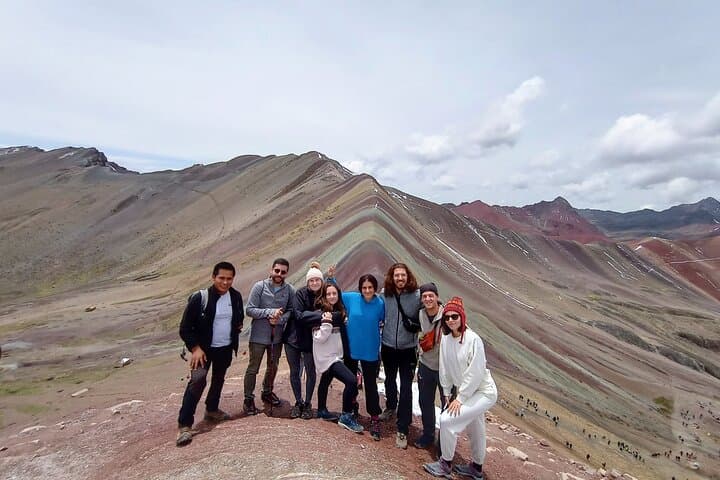
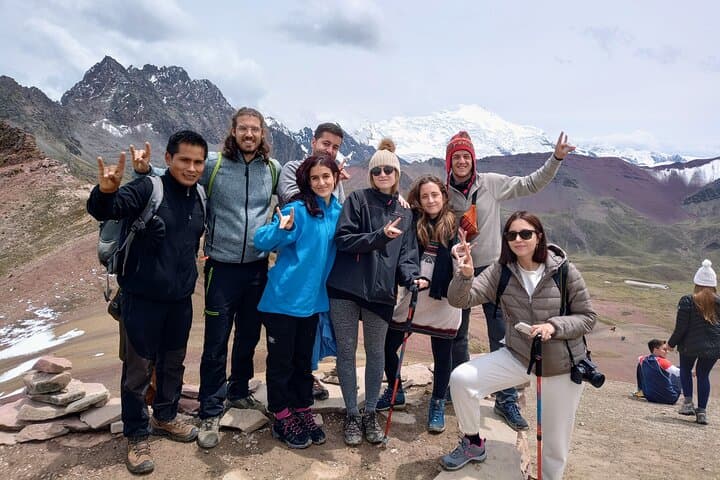
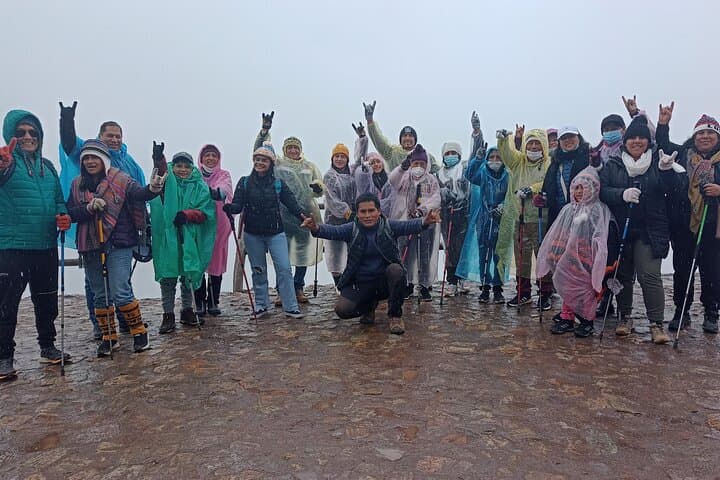
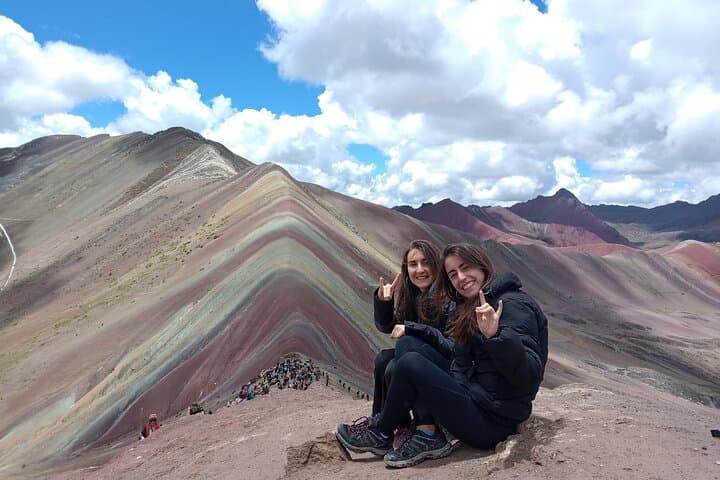
You leave Cusco before dawn, windows fogging as the Andean night gives way to a cold, violet light. The road climbs past puna grass and herds of llamas; by the time the bus drops you at the Fulam Wasi Pata parking, the air is thin and the first ridges of color catch the sun. The final climb is a steady, sometimes loose ascent—each switchback brings a broader view of the red valleys and the snow-capped silhouette of Ausangate daring you onward.
You leave Cusco before dawn, windows fogging as the Andean night gives way to a cold, violet light. The road climbs past puna grass and herds of llamas; by the time the bus drops you at the Fulam Wasi Pata parking, the air is thin and the first ridges of color catch the sun. The final climb is a steady, sometimes loose ascent—each switchback brings a broader view of the red valleys and the snow-capped silhouette of Ausangate daring you onward.
Geologically, Vinicunca’s bands are painted by iron oxides, clays and mineral salts compressed over millennia, then exposed by glacial and fluvial erosion. Culturally the mountain is an Apu—sacred to local Quechua communities who still graze alpacas and practice seasonal rituals in the high pastures. Expect to hear Quechua greetings and see handcrafted textiles for sale at the trailhead.
Practically, this is an all-day outing (about 11–12 hours door-to-door). The uphill trek from the parking area takes roughly 1–1.5 hours each way, covering ~4–6 km round-trip with 400–600 m of elevation gain, topping out at roughly 5,000–5,200 m. Terrain is high-altitude tundra, rocky switchbacks and intermittent scree.
Plan for rapid weather shifts: sun, wind and rain can arrive the same hour. Acclimatize in Cusco for 48+ hours if possible, carry layers, sun protection and at least 2 liters of water, and use walking poles for stability. Respect local guides and stay on designated paths to limit erosion and protect this fragile alpine landscape.