THE ADVENTURE COLLECTIVE® · Independent discovery and booking for outdoor travel

Descend from the green ridges of Vara Blanca into a canyon threaded by three waterfalls and rope-assisted scrambles. This full-day hike combines technical sections, rainforest voices and a finish at a working coffee farm—expect hard effort rewarded by powerful scenery.
Descend from the green ridges of Vara Blanca into a canyon threaded by three waterfalls and rope-assisted scrambles. This full-day hike combines technical sections, rainforest voices and a finish at a working coffee farm—expect hard effort rewarded by powerful scenery.
A mist slides across the trail as you step off the ridge above Vara Blanca, the morning air tasting of damp earth and wood smoke. The first scramble drops quickly toward a canyon where the river dares you forward, its current pulling light spray against your face. For the next several hours you move between steep forested slopes, rope-assisted descents and three distinct waterfalls—each one carving its own hollow in the rock.
Verified experiences and guided adventures in the surrounding area.
Operated by DoTicoTours · Vara Blanca, Alajuela
A mist slides across the trail as you step off the ridge above Vara Blanca, the morning air tasting of damp earth and wood smoke. The first scramble drops quickly toward a canyon where the river dares you forward, its current pulling light spray against your face. For the next several hours you move between steep forested slopes, rope-assisted descents and three distinct waterfalls—each one carving its own hollow in the rock.
This corridor sits on the northern slopes of the Central Volcanic Range, where volcanic bedrock and heavy rainfall produce abrupt canyons and moss-draped trees. Vara Blanca grew alongside coffee farms and small sodas (local eateries); you’ll pass evidence of that agricultural history and, near the end, a working coffee farm where beans are still dried and roasted in traditional fashion.
Expect varied terrain: muddy single-track, exposed volcanic scree, river crossings and technical rope sections into the gorge. The La Paz falls in the area are among the region’s most photographed—water has hollowed caverns behind cascades, creating dramatic photo angles.
Practical guidance: this is a full-day, physically demanding hike (roughly 8–9 hours including transit). Wear ankle-supporting waterproof boots, carry 1.5–2 liters of water, and plan for sudden rain—quick-dry layers and a light waterproof are essential. Guides provide meals, bottled water and trekking poles; however, bring gloves for rope work and a small repair kit for blister care. Start early to avoid afternoon showers and keep a pace that conserves energy for the steep return climbs.
challenging.
9 hours (full-day, includes transit).
Requires a high level of cardiovascular fitness and lower-body strength for long descents, rope-assisted sections, and steep return climbs.
You should have a high level of fitness—regular hiking or aerobic training—and be comfortable with long descents, steep climbs and rope-assisted sections.
The tour includes private round-trip transport from pickup points, breakfast, lunch, bottled water, a guide and use of trekking poles; check your booking for exact pickup details.
Guides will rig rope-assisted sections as needed and provide trekking poles; bring gloves and shoes suitable for rope contact and wet rock.
No—the operator advises against participation for pregnant travelers, those with spinal or serious heart conditions, and young children who cannot handle technical terrain.
Vara Blanca developed along coffee routes on the north flank of Costa Rica’s volcanic spine; smallholder farms shaped local roads and culture.
The canyon habitat is fragile—stay on established trails, avoid disturbing wildlife and pack out all trash; water quality and trail erosion are local concerns.
DoTicoTours operates guided outdoor trips and adventures with an emphasis on safety, stewardship, and memorable experiences.
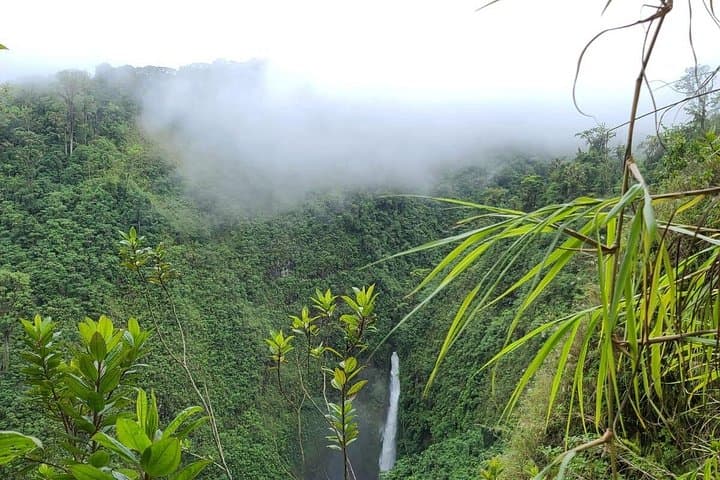
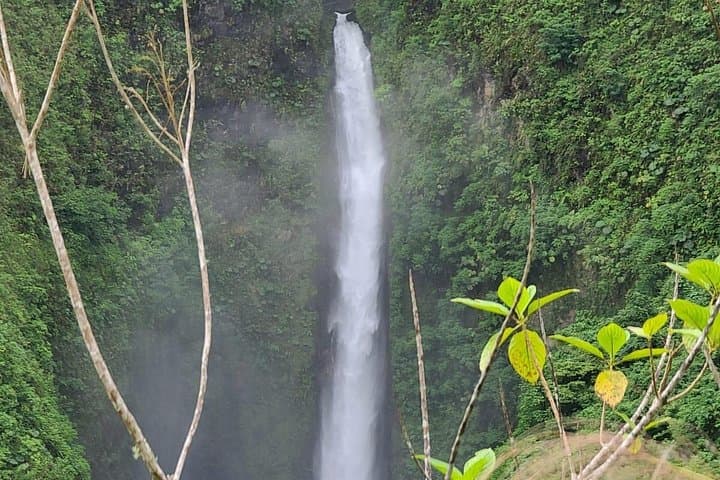
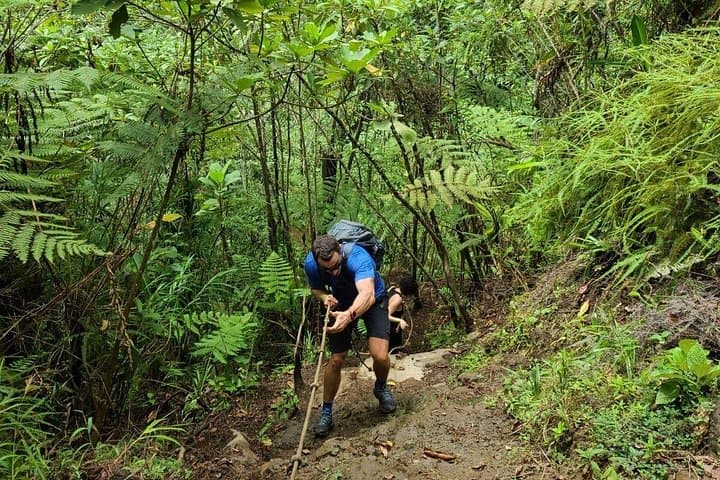
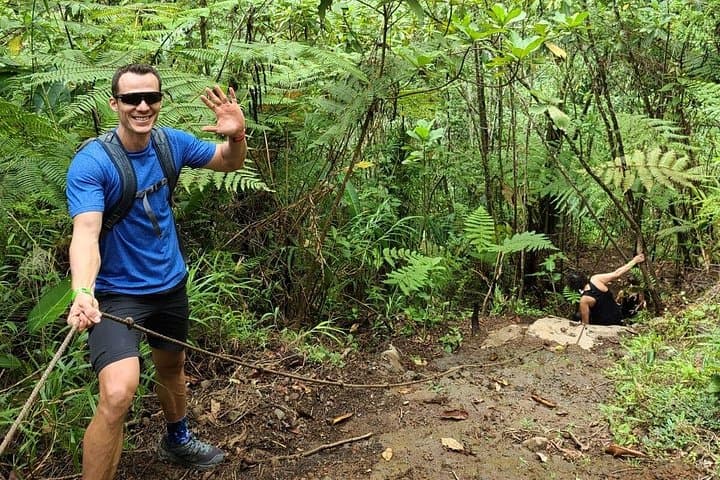
A mist slides across the trail as you step off the ridge above Vara Blanca, the morning air tasting of damp earth and wood smoke. The first scramble drops quickly toward a canyon where the river dares you forward, its current pulling light spray against your face. For the next several hours you move between steep forested slopes, rope-assisted descents and three distinct waterfalls—each one carving its own hollow in the rock.
A mist slides across the trail as you step off the ridge above Vara Blanca, the morning air tasting of damp earth and wood smoke. The first scramble drops quickly toward a canyon where the river dares you forward, its current pulling light spray against your face. For the next several hours you move between steep forested slopes, rope-assisted descents and three distinct waterfalls—each one carving its own hollow in the rock.
This corridor sits on the northern slopes of the Central Volcanic Range, where volcanic bedrock and heavy rainfall produce abrupt canyons and moss-draped trees. Vara Blanca grew alongside coffee farms and small sodas (local eateries); you’ll pass evidence of that agricultural history and, near the end, a working coffee farm where beans are still dried and roasted in traditional fashion.
Expect varied terrain: muddy single-track, exposed volcanic scree, river crossings and technical rope sections into the gorge. The La Paz falls in the area are among the region’s most photographed—water has hollowed caverns behind cascades, creating dramatic photo angles.
Practical guidance: this is a full-day, physically demanding hike (roughly 8–9 hours including transit). Wear ankle-supporting waterproof boots, carry 1.5–2 liters of water, and plan for sudden rain—quick-dry layers and a light waterproof are essential. Guides provide meals, bottled water and trekking poles; however, bring gloves for rope work and a small repair kit for blister care. Start early to avoid afternoon showers and keep a pace that conserves energy for the steep return climbs.