THE ADVENTURE COLLECTIVE® · Independent discovery and booking for outdoor travel

Leave Santiago for a 120 km coastal run to Valparaíso’s colorful hills and Viña del Mar’s beaches. This full‑day tour mixes historic port viewpoints, iconic funicular elevators and a seaside lunch stop.
Leave Santiago for a 120 km coastal run to Valparaíso’s colorful hills and Viña del Mar’s beaches. This full‑day tour mixes historic port viewpoints, iconic funicular elevators and a seaside lunch stop.
A morning departure from Santiago loosens the city’s grid as the bus threads through Curacaví and the Casablanca valley, the Pacific already tugging at the horizon.
Verified experiences and guided adventures in the surrounding area.
Operated by Ruta Chile · Valparaíso, Valparaíso Region
A morning departure from Santiago loosens the city’s grid as the bus threads through Curacaví and the Casablanca valley, the Pacific already tugging at the horizon.
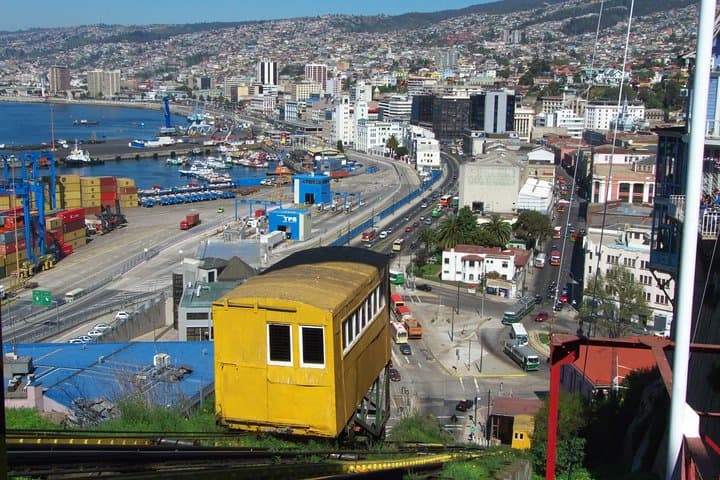
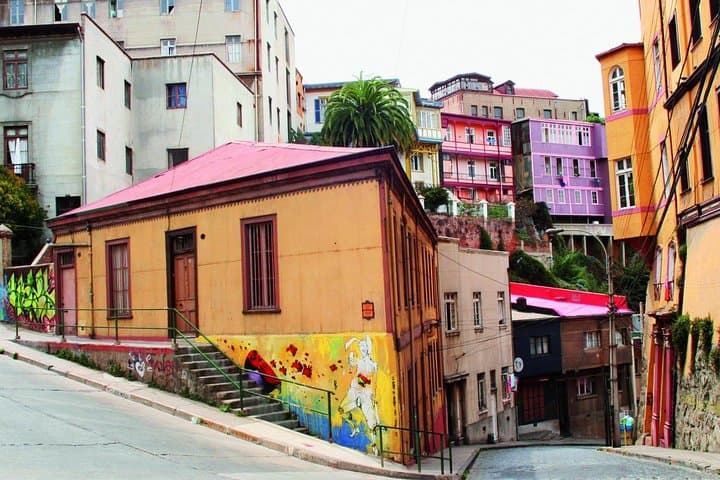
By mid‑morning the hills of Valparaíso unfurl: steep, painted stairways, weathered corrugated roofs, and creaking ascensors that lift you through neighborhoods carved into the coastal bluff. The sea pulls your gaze—an active presence—while narrow plazas and lookout points offer sudden panoramas of shipping lanes and cliffs.
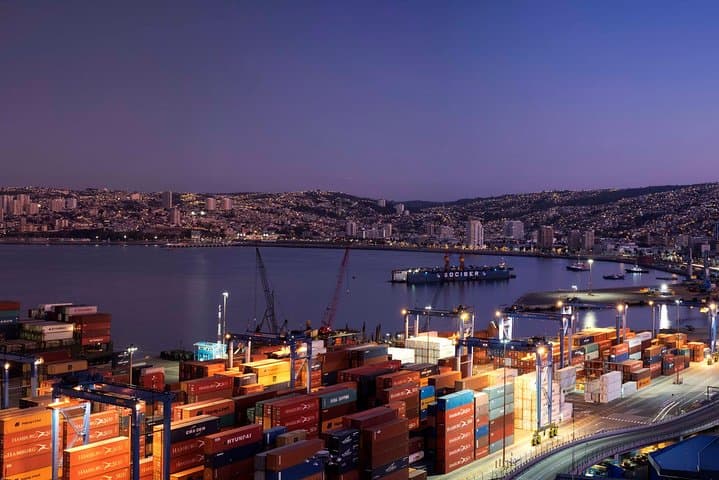
Valparaíso was Chile’s principal port through the 19th century; its layered streets reflect maritime trade, immigrant architecture, and a living mural culture. Geologically the city rides on steep terraces and fault‑cut slopes that force urban form upward, which is why the funicular elevators were invented here. Eastward, Viña del Mar developed as a resort—gardens, a hotel casino, and the flower clock marking a different, more manicured coast. The Fonck Museum’s Moai and Quinta Vergara’s festival grounds add cultural punctuation to the shoreline route.
Practical guidance: expect a 120 km drive each way and roughly six hours on tour with hotel pickup included. Bring sturdy walking shoes for cobbles and uphill streets, sun protection for exposed lookouts, and cash for optional museum or elevator fees and lunch at Reñaca. The tour is mostly easy walking but involves steps and short uphill stretches; plan for variable coastal breeze and limited shade on viewpoints. Aim to get a window seat on the bus for coastal photos and leave room in the afternoon for relaxed beach time in Viña del Mar.
easy.
6 hours.
Suitable for most fitness levels; requires short uphill walks and stairs in Valparaíso
The tour runs about six hours (approx. 120 km each way); it includes transportation, a driver/guide and hotel pickup/drop‑off (selected hotels). Entrance fees and lunch are at your own expense.
Many historic ascensores operate but availability can vary; some require a small fare or donation—bring coins and ask your guide for current status.
The tour is family friendly and labeled easy, but Valparaíso’s steep streets and stairways can be challenging for limited mobility—contact the operator about alternatives.
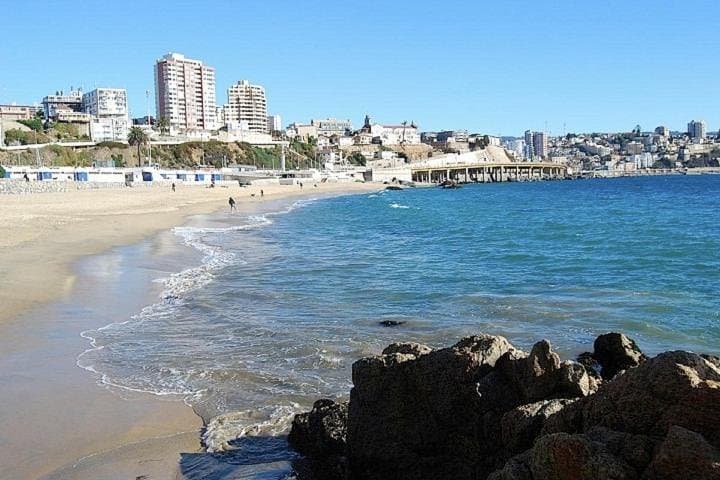
Yes—there is typically a lunch stop and free time at Reñaca beach; bring swimwear and plan for beachside dining at your own cost.
Valparaíso grew into Chile’s major 19th‑century port and commercial hub; its hillside neighborhoods and ascensores reflect that maritime past and eclectic immigrant architecture.
Valparaíso’s historic quarter is a UNESCO World Heritage site; visitors should stick to marked paths, avoid graffiti on private property, and support local businesses to help preserve fragile hillside neighborhoods.
Ruta Chile operates guided outdoor trips and adventures with an emphasis on safety, stewardship, and memorable experiences.
A morning departure from Santiago loosens the city’s grid as the bus threads through Curacaví and the Casablanca valley, the Pacific already tugging at the horizon.
A morning departure from Santiago loosens the city’s grid as the bus threads through Curacaví and the Casablanca valley, the Pacific already tugging at the horizon.
By mid‑morning the hills of Valparaíso unfurl: steep, painted stairways, weathered corrugated roofs, and creaking ascensors that lift you through neighborhoods carved into the coastal bluff. The sea pulls your gaze—an active presence—while narrow plazas and lookout points offer sudden panoramas of shipping lanes and cliffs.
Valparaíso was Chile’s principal port through the 19th century; its layered streets reflect maritime trade, immigrant architecture, and a living mural culture. Geologically the city rides on steep terraces and fault‑cut slopes that force urban form upward, which is why the funicular elevators were invented here. Eastward, Viña del Mar developed as a resort—gardens, a hotel casino, and the flower clock marking a different, more manicured coast. The Fonck Museum’s Moai and Quinta Vergara’s festival grounds add cultural punctuation to the shoreline route.
Practical guidance: expect a 120 km drive each way and roughly six hours on tour with hotel pickup included. Bring sturdy walking shoes for cobbles and uphill streets, sun protection for exposed lookouts, and cash for optional museum or elevator fees and lunch at Reñaca. The tour is mostly easy walking but involves steps and short uphill stretches; plan for variable coastal breeze and limited shade on viewpoints. Aim to get a window seat on the bus for coastal photos and leave room in the afternoon for relaxed beach time in Viña del Mar.