THE ADVENTURE COLLECTIVE® · Independent discovery and booking for outdoor travel

Spend a full day crossing the Salar de Uyuni with an English-speaking guide: visit the train graveyard, Colchani’s salt workshops, Isla Incahuasi, and watch sunset over the white expanse. Practical advice on altitude, photo tips, and what to pack for an 8‑hour outing.
Spend a full day crossing the Salar de Uyuni with an English-speaking guide: visit the train graveyard, Colchani’s salt workshops, Isla Incahuasi, and watch sunset over the white expanse. Practical advice on altitude, photo tips, and what to pack for an 8‑hour outing.
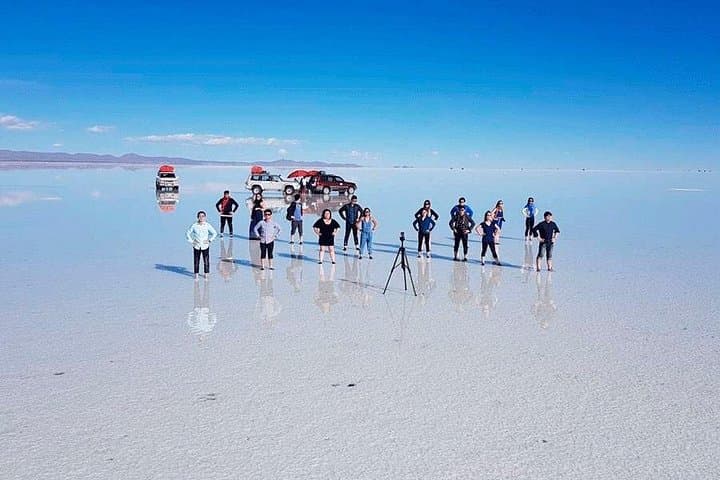
The sun turns the salt plain into a mirror of white and light, and a small bus pushes away from Uyuni town toward an ocean of salt.
Verified experiences and guided adventures in the surrounding area.
Operated by Perla de Bolivia · Uyuni, Potosí Department
The sun turns the salt plain into a mirror of white and light, and a small bus pushes away from Uyuni town toward an ocean of salt.
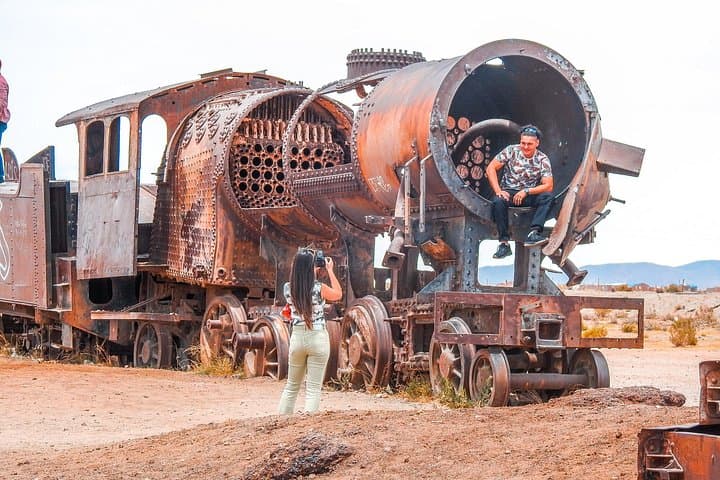
This full-day trip threads together the region’s human and geological story: a stop at the abandoned train graveyard recalls the mining boom that shaped Uyuni, while Colchani’s salt workshops show how local families still harvest and craft the mineral. Isla Incahuasi, a raised island of fossilized coral crowned with giant cacti, gives a short but steep hike and sweeping views across an otherwise flat horizon. Ojos de Agua Salada and the salt-built hotel/museum reveal how salt has been repurposed into shelter and culture.
Geologically the Salar is the exposed floor of prehistoric lakes; wind and seasonal water create a hard white crust that plays tricks with perspective. Culturally, salt extraction and artisanal goods support small communities around the edge of the flats.
Practical notes: expect an 8‑hour outing that departs midmorning and returns after sunset. The route uses 4WD vehicles and includes short walks (the Incahuasi summit is rocky and can be slippery). Altitude (≈3,650–3,700 m) is the main challenge—move slowly, hydrate, and avoid heavy exertion on arrival day. Sun protection is essential—glare off the salt is intense. Bring layered clothing for strong daytime sun and a sharp drop in temperature after sunset.
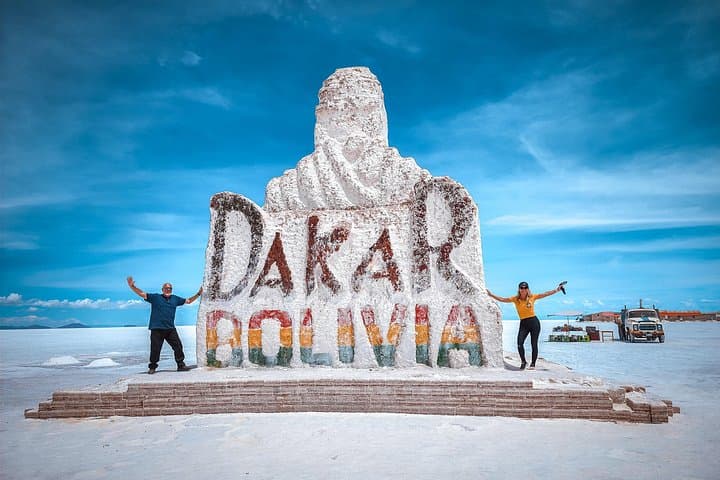
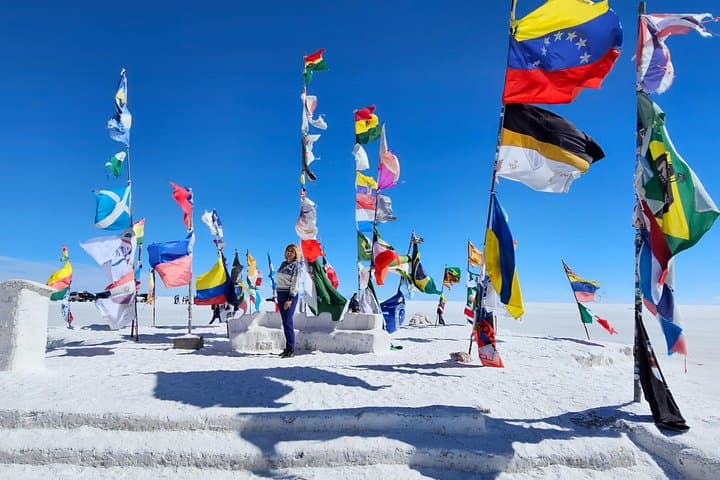
Photography is part of the experience: set up perspective tricks on the white surface, but respect marked areas and local guidelines to protect the crust and cultural sites.
moderate.
8 hours.
Suitability for most people who can manage short hikes and standing at altitude; take it easy if newly arrived from low elevation.
The tour runs about 8 hours and typically departs midmorning from Uyuni (around 10:30), returning after sunset—check exact pickup details when booking.
Most travelers manage the altitude with rest and hydration; those with serious cardiovascular or spinal conditions, or who are pregnant, should avoid the trip or consult a physician.
Wildlife sightings are seasonal and localized; on this full-day route you may see flamingos in wetter periods and small mammals like vizcachas on Isla Incahuasi, but sightings are not guaranteed.
Yes—perspective photos are popular. Follow guide instructions, avoid driving off established tracks, and don’t break the crust or leave waste behind.
The Salar is the remnant of prehistoric lakes; Colchani developed as a salt-harvesting village and the train graveyard marks an era of mineral transport and industry.
The salt crust is fragile and slow to recover—stay on designated routes, pack out trash, and support local cooperatives that practice sustainable salt harvesting.
Perla de Bolivia operates guided outdoor trips and adventures with an emphasis on safety, stewardship, and memorable experiences.
The sun turns the salt plain into a mirror of white and light, and a small bus pushes away from Uyuni town toward an ocean of salt.
The sun turns the salt plain into a mirror of white and light, and a small bus pushes away from Uyuni town toward an ocean of salt.
This full-day trip threads together the region’s human and geological story: a stop at the abandoned train graveyard recalls the mining boom that shaped Uyuni, while Colchani’s salt workshops show how local families still harvest and craft the mineral. Isla Incahuasi, a raised island of fossilized coral crowned with giant cacti, gives a short but steep hike and sweeping views across an otherwise flat horizon. Ojos de Agua Salada and the salt-built hotel/museum reveal how salt has been repurposed into shelter and culture.
Geologically the Salar is the exposed floor of prehistoric lakes; wind and seasonal water create a hard white crust that plays tricks with perspective. Culturally, salt extraction and artisanal goods support small communities around the edge of the flats.
Practical notes: expect an 8‑hour outing that departs midmorning and returns after sunset. The route uses 4WD vehicles and includes short walks (the Incahuasi summit is rocky and can be slippery). Altitude (≈3,650–3,700 m) is the main challenge—move slowly, hydrate, and avoid heavy exertion on arrival day. Sun protection is essential—glare off the salt is intense. Bring layered clothing for strong daytime sun and a sharp drop in temperature after sunset.
Photography is part of the experience: set up perspective tricks on the white surface, but respect marked areas and local guidelines to protect the crust and cultural sites.