THE ADVENTURE COLLECTIVE® · Independent discovery and booking for outdoor travel

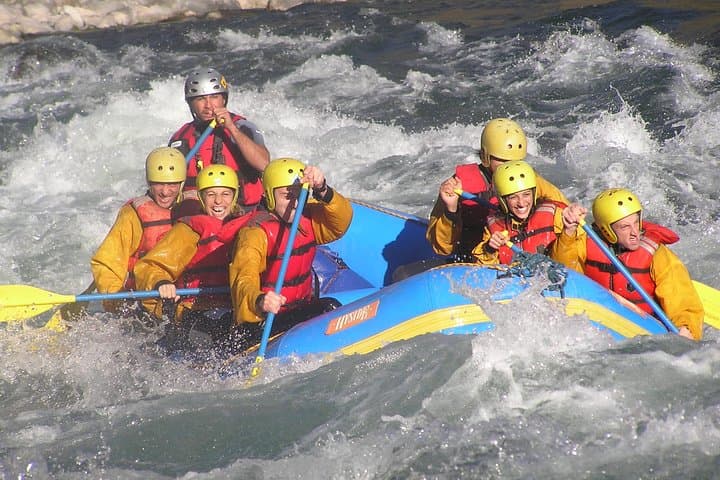
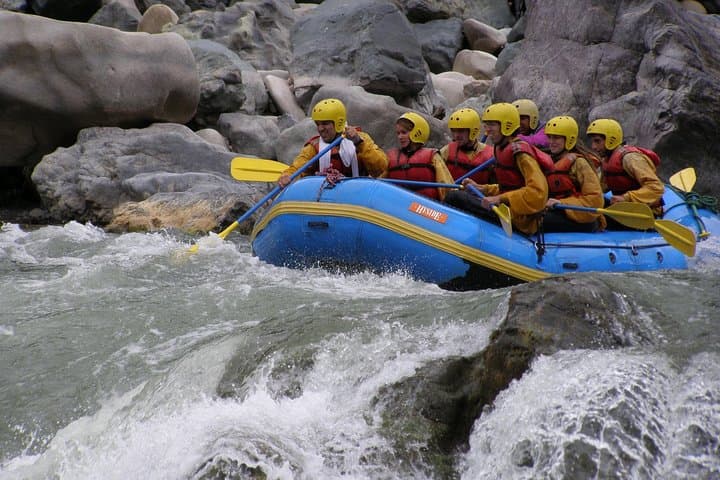
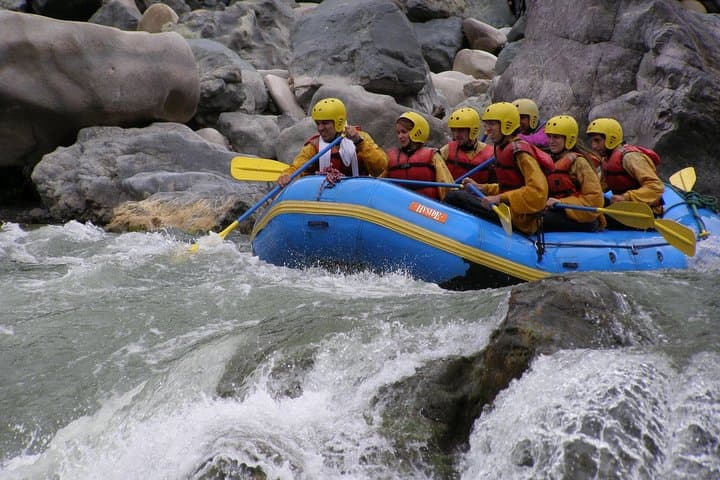
Ride Class II–III rapids on the Urubamba River in a full-day rafting trip from Cusco. Expect scenic valley stretches, active paddling, a riverside lunch and hot showers after an 8–9 hour outing.
Ride Class II–III rapids on the Urubamba River in a full-day rafting trip from Cusco. Expect scenic valley stretches, active paddling, a riverside lunch and hot showers after an 8–9 hour outing.
Early light on the Sacred Valley throws the Andes into sharp relief as the Urubamba River cuts a bright line through terraced fields. Guides meet you in Cusco and the drive down-valley loosens the city’s altitude-slowed rhythm; by the time you hit the riverbank the current is already daring you forward.
Verified experiences and guided adventures in the surrounding area.
Operated by Mapi Travel Agency · Cusco, Cusco Region
Early light on the Sacred Valley throws the Andes into sharp relief as the Urubamba River cuts a bright line through terraced fields. Guides meet you in Cusco and the drive down-valley loosens the city’s altitude-slowed rhythm; by the time you hit the riverbank the current is already daring you forward.
The Urubamba has been a working river for centuries — a conduit for Inca agriculture and trade — and its character changes over short distances. Geologically, you move from braided highland channels to narrower, faster runs carved into volcanic and sedimentary rock before the rivers descend toward the Amazon basin and the Pongo de Mainique canyon. Culturally the route passes small Quechua farming villages and roadside shrines; your guide will often point out pre-Hispanic terraces and local orchards that still irrigate from the river.
On this full-day float expect sustained Class II–III rapids, technical paddling in short bursts, scenic riverside stretches, and a riverside lunch with hot-shower facilities afterward. The trip requires a moderate fitness level and basic paddling responsiveness — guides handle navigation and safety, but guests are active participants.
Practical notes: wear quick-dry clothing and secure footwear, bring a dry bag and sun protection, and plan for an 8–9 hour day including transfer time. The outfitter provides helmets, life jackets, and instruction; it’s not recommended for those with serious heart or back conditions or for pregnant travelers. When done right, the river rewards steady strokes with clean, lively whitewater and wide valley views that feel both immediate and ancient.
moderate.
8–9 hours.
Moderate fitness: able to paddle and move quickly on uneven, wet surfaces for short bursts; comfortable with sustained activity at moderate altitude.
Expect about 8–9 hours total, including pickup in Cusco, transport to the river, the rafting section, lunch, and return to town.
No — the trip is run for guests with varying experience, but a moderate fitness level and willingness to follow guide instructions are required.
The operator supplies helmets, life jackets, paddles and a professional English-speaking guide; participants should wear appropriate footwear and clothing.
Not recommended for pregnant travelers or those with serious heart or back conditions; check with the operator if you have concerns and consult a doctor if needed.
The Urubamba runs through the Sacred Valley, historically central to Inca agriculture and transport; many terraces and village patterns you pass are centuries old.
Respect river cleanliness: avoid single-use plastics, follow guide instructions on waste, and support operators who use local staff and maintain equipment.
Mapi Travel Agency operates guided outdoor trips and adventures with an emphasis on safety, stewardship, and memorable experiences.
Early light on the Sacred Valley throws the Andes into sharp relief as the Urubamba River cuts a bright line through terraced fields. Guides meet you in Cusco and the drive down-valley loosens the city’s altitude-slowed rhythm; by the time you hit the riverbank the current is already daring you forward.
Early light on the Sacred Valley throws the Andes into sharp relief as the Urubamba River cuts a bright line through terraced fields. Guides meet you in Cusco and the drive down-valley loosens the city’s altitude-slowed rhythm; by the time you hit the riverbank the current is already daring you forward.
The Urubamba has been a working river for centuries — a conduit for Inca agriculture and trade — and its character changes over short distances. Geologically, you move from braided highland channels to narrower, faster runs carved into volcanic and sedimentary rock before the rivers descend toward the Amazon basin and the Pongo de Mainique canyon. Culturally the route passes small Quechua farming villages and roadside shrines; your guide will often point out pre-Hispanic terraces and local orchards that still irrigate from the river.
On this full-day float expect sustained Class II–III rapids, technical paddling in short bursts, scenic riverside stretches, and a riverside lunch with hot-shower facilities afterward. The trip requires a moderate fitness level and basic paddling responsiveness — guides handle navigation and safety, but guests are active participants.
Practical notes: wear quick-dry clothing and secure footwear, bring a dry bag and sun protection, and plan for an 8–9 hour day including transfer time. The outfitter provides helmets, life jackets, and instruction; it’s not recommended for those with serious heart or back conditions or for pregnant travelers. When done right, the river rewards steady strokes with clean, lively whitewater and wide valley views that feel both immediate and ancient.