THE ADVENTURE COLLECTIVE® · Independent discovery and booking for outdoor travel

Explore Ubud’s top sights in a single 9–10 hour circuit: Tegenungan Waterfall, Tegalalang rice terraces, Goa Gajah, the Monkey Forest, Ubud Palace and the bustling art market. This private tour balances nature, heritage and hands-on local crafts with convenient hotel pickup.
Explore Ubud’s top sights in a single 9–10 hour circuit: Tegenungan Waterfall, Tegalalang rice terraces, Goa Gajah, the Monkey Forest, Ubud Palace and the bustling art market. This private tour balances nature, heritage and hands-on local crafts with convenient hotel pickup.
You step out of the air-conditioned car and the island exhales—humid air, clack of scooters, and a ribbon of rice terraces falling away down the valley.
Verified experiences and guided adventures in the surrounding area.
Operated by Telaga Waja Rafting Bali · Ubud, Bali
You step out of the air-conditioned car and the island exhales—humid air, clack of scooters, and a ribbon of rice terraces falling away down the valley.
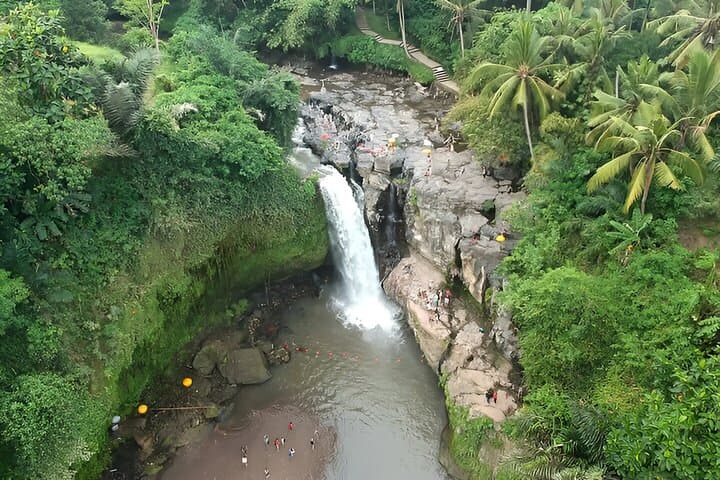
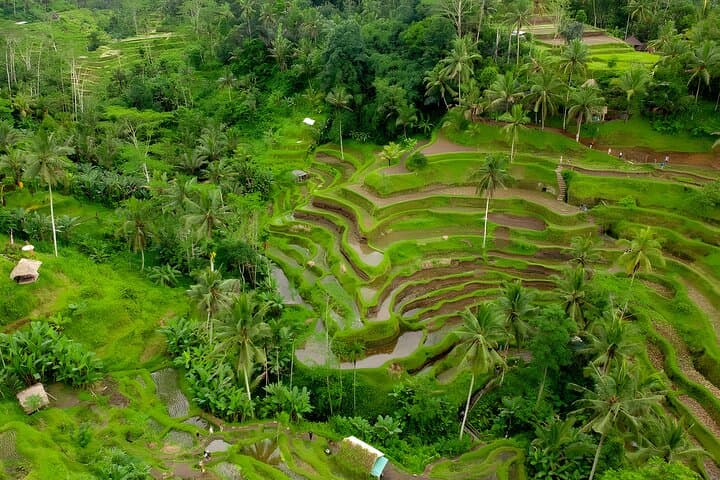
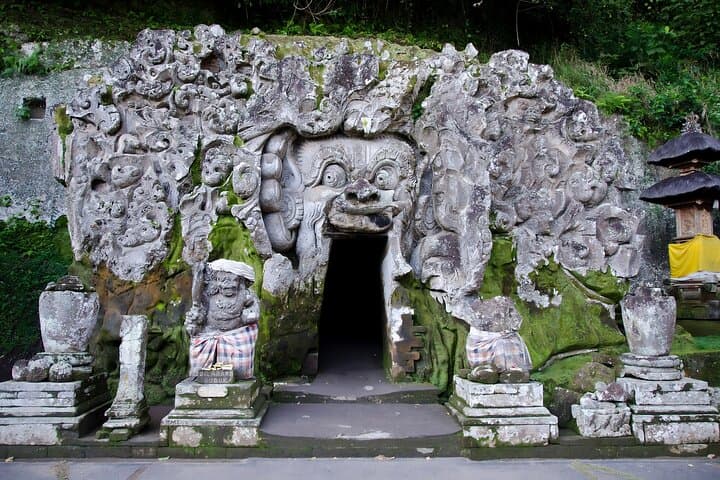
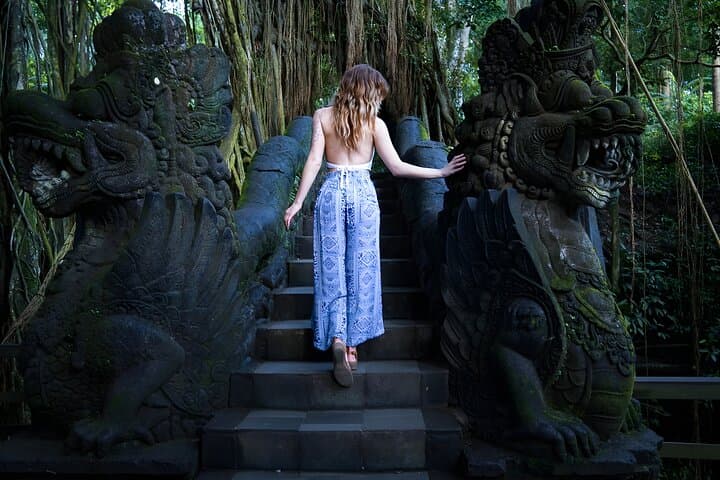
This full-day loop from central Ubud stitches together natural and cultural highlights: the 20m drop and spray of Tegenungan Waterfall, the stepped contours of Tegalalang’s irrigated paddies, the carved rock cavity of Goa Gajah, and the shaded pathways of the Sacred Monkey Forest. Each stop offers a different tempo—stairs and slick stone at the falls, narrow footpaths and low stone walls through rice fields, then quiet courtyards fossilized by centuries of ritual at Goa Gajah.
Ubud sits on volcanic soil; the terraces follow ancient subak irrigation practices introduced and refined over centuries and formalized under Balinese water temples. Villages along the route still practice crafts—wood carving, silverwork and weaving—so your stops double as cultural snapshots.
Practical edge: expect a long but gentle day—9–10 hours with intermittent walking, stair descents, and a few uneven paths. Wear closed-toe shoes for trails and steps, bring a refillable water bottle and small local cash for market stalls. If you plan to swim at Tegenungan, pack a towel and a change of clothes; the descent involves dozens of steps and wet surfaces. Keep camera gear stowed against curious macaques in the Monkey Forest; they move fast and are attracted to food and shiny objects.
Timing matters—start early to avoid midday crowds at Tegalalang and peak heat at the waterfall. The route is adaptable by request, and an English-speaking driver guides logistics so you can focus on the landscape and local rhythms.
easy.
9–10 hours.
Suitable for travelers in normal everyday fitness; involves multiple short walks, stair descents and standing periods.
The tour lists "All Entrance Ticket" in inclusions, so standard site admission is covered in the booking.
An Indonesian set-menu lunch is offered if you select that option; otherwise the driver can stop at local restaurants at your request.
Yes—many visitors swim in designated areas, but access involves descending steps and some rock; obey local signage and the driver’s advice during high water.
Avoid eye contact when monkeys are agitated, don’t feed them, secure loose items, and follow park staff instructions to minimize interactions.
Ubud developed as a center for arts and religion; the subak irrigation system that shapes the terraces is a centuries-old cooperative practice tied to Balinese temple rituals.
The Monkey Forest is managed by the village with conservation goals; visitors are asked to minimize litter, avoid feeding wildlife, and respect temple rules to reduce human impact.
Telaga Waja Rafting Bali operates guided outdoor trips and adventures with an emphasis on safety, stewardship, and memorable experiences.
You step out of the air-conditioned car and the island exhales—humid air, clack of scooters, and a ribbon of rice terraces falling away down the valley.
You step out of the air-conditioned car and the island exhales—humid air, clack of scooters, and a ribbon of rice terraces falling away down the valley.
This full-day loop from central Ubud stitches together natural and cultural highlights: the 20m drop and spray of Tegenungan Waterfall, the stepped contours of Tegalalang’s irrigated paddies, the carved rock cavity of Goa Gajah, and the shaded pathways of the Sacred Monkey Forest. Each stop offers a different tempo—stairs and slick stone at the falls, narrow footpaths and low stone walls through rice fields, then quiet courtyards fossilized by centuries of ritual at Goa Gajah.
Ubud sits on volcanic soil; the terraces follow ancient subak irrigation practices introduced and refined over centuries and formalized under Balinese water temples. Villages along the route still practice crafts—wood carving, silverwork and weaving—so your stops double as cultural snapshots.
Practical edge: expect a long but gentle day—9–10 hours with intermittent walking, stair descents, and a few uneven paths. Wear closed-toe shoes for trails and steps, bring a refillable water bottle and small local cash for market stalls. If you plan to swim at Tegenungan, pack a towel and a change of clothes; the descent involves dozens of steps and wet surfaces. Keep camera gear stowed against curious macaques in the Monkey Forest; they move fast and are attracted to food and shiny objects.
Timing matters—start early to avoid midday crowds at Tegalalang and peak heat at the waterfall. The route is adaptable by request, and an English-speaking driver guides logistics so you can focus on the landscape and local rhythms.