THE ADVENTURE COLLECTIVE® · Independent discovery and booking for outdoor travel

Spend a full day exploring Ubud’s highlights—Tegalalang rice terraces, Tirta Empul temple, Monkey Forest and Tegenungan waterfall—on a guided private tour with transport. Expect easy walking, stairs, cultural stops, and strong photo opportunities.
Spend a full day exploring Ubud’s highlights—Tegalalang rice terraces, Tirta Empul temple, Monkey Forest and Tegenungan waterfall—on a guided private tour with transport. Expect easy walking, stairs, cultural stops, and strong photo opportunities.
Morning light hits a narrow road and the driver eases the van past rice paddies that stack like terraces on the valley slope; the air smells of wet earth and coconut. The tour moves at a calm rhythm—walks through the Sacred Monkey Forest, shutter-clicks at Tegalalang’s carved steps of green, a quiet purification at Tirta Empul’s spring, and the rush of Tegenungan waterfall. Small temples and stone carvings punctuate each stop, offering cultural frames for the scenery.
Verified experiences and guided adventures in the surrounding area.
Operated by Watibalitours · Ubud, Bali
Morning light hits a narrow road and the driver eases the van past rice paddies that stack like terraces on the valley slope; the air smells of wet earth and coconut. The tour moves at a calm rhythm—walks through the Sacred Monkey Forest, shutter-clicks at Tegalalang’s carved steps of green, a quiet purification at Tirta Empul’s spring, and the rush of Tegenungan waterfall. Small temples and stone carvings punctuate each stop, offering cultural frames for the scenery.
Ubud sits on volcanic soils that make the terraces unusually fertile; the subak irrigation system here dates back centuries and shaped both landscape and village life. Tirta Empul is a living temple built around a spring sacred to Balinese Hindus, while the monkey sanctuary preserves moss-covered shrines and long-tailed macaques that have coexisted with locals for generations.
Expect paved pathways, stepped terraces, and some uneven trails—short hikes only, but many stairs at the waterfall and terraces. Local guides point out stone carvings and explain offerings and etiquette; vendors and small warungs cluster near main viewing points. Plan for heat and humidity: start early to avoid crowds and midday sun.
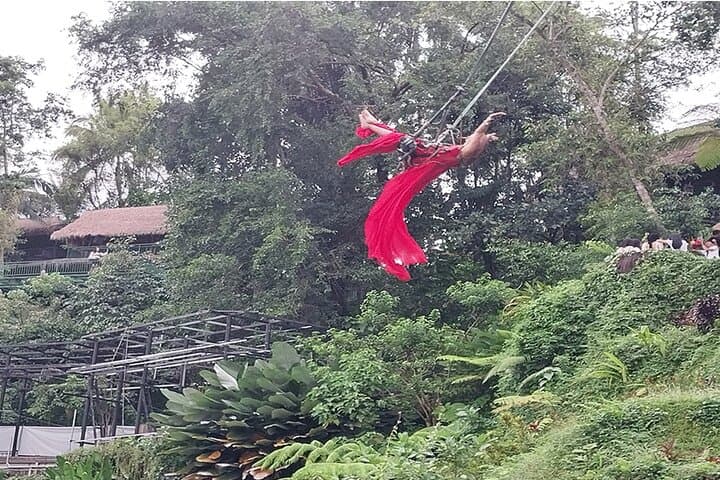
Practical notes: wear sturdy walking shoes, bring a sarong or modest cover for temple entries, carry a refillable water bottle, and keep belongings secured from curious macaques. Photography is excellent at golden hour and the swings near Tegalalang add a discretionary fee. The day is long—8–10 hours—and best for travelers who want a curated sampler of Ubud’s nature, culture, and sights without strenuous trekking.
easy.
8–10 hours.
Suitable for most fitness levels; involves walking on paved paths and climbing stairs but no technical hiking
Yes—private transportation and pickup from Ubud or nearby locations are typically included in full-day tours.
Yes; visitors commonly swim in the pool below the falls, but check local safety notices and watch for slippery rocks.
Fees vary by operator—some include main entrance fees and activities while others charge on-site; confirm when booking.
Long-tailed macaques are wild and can bite or snatch items; avoid feeding them, keep a safe distance, and secure loose belongings.
The Tegalalang terraces are cultivated under Bali’s traditional subak irrigation system, a community-managed method with roots in the 8th–9th centuries; Tirta Empul is a historic spring-temple used for ritual purification.
Respect temple boundaries, avoid feeding wildlife, and stick to marked paths to reduce erosion on terraces; support local guides and warungs to benefit the community.
Watibalitours operates guided outdoor trips and adventures with an emphasis on safety, stewardship, and memorable experiences.
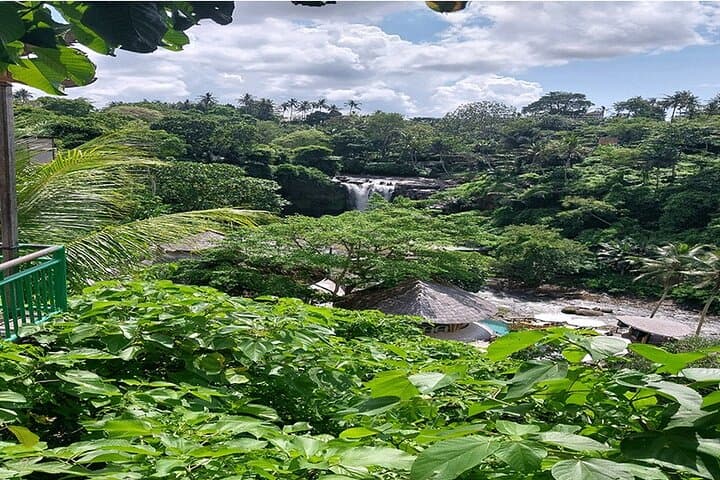
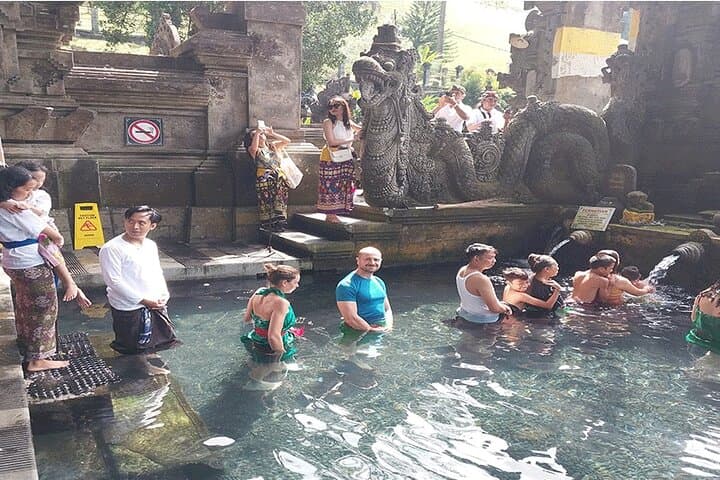
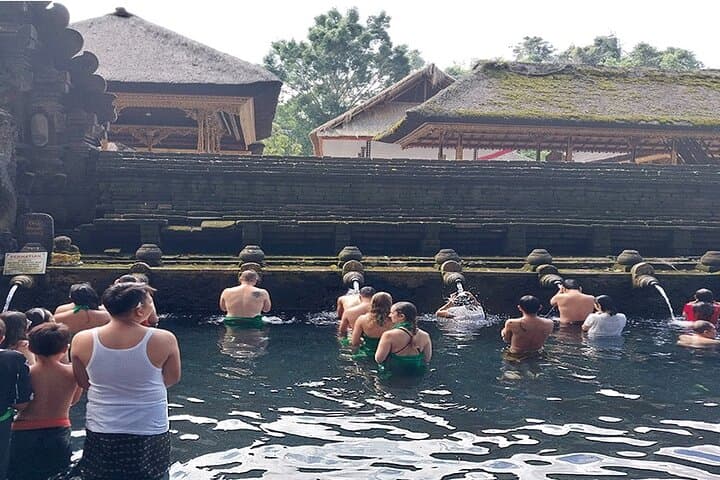
Morning light hits a narrow road and the driver eases the van past rice paddies that stack like terraces on the valley slope; the air smells of wet earth and coconut. The tour moves at a calm rhythm—walks through the Sacred Monkey Forest, shutter-clicks at Tegalalang’s carved steps of green, a quiet purification at Tirta Empul’s spring, and the rush of Tegenungan waterfall. Small temples and stone carvings punctuate each stop, offering cultural frames for the scenery.
Morning light hits a narrow road and the driver eases the van past rice paddies that stack like terraces on the valley slope; the air smells of wet earth and coconut. The tour moves at a calm rhythm—walks through the Sacred Monkey Forest, shutter-clicks at Tegalalang’s carved steps of green, a quiet purification at Tirta Empul’s spring, and the rush of Tegenungan waterfall. Small temples and stone carvings punctuate each stop, offering cultural frames for the scenery.
Ubud sits on volcanic soils that make the terraces unusually fertile; the subak irrigation system here dates back centuries and shaped both landscape and village life. Tirta Empul is a living temple built around a spring sacred to Balinese Hindus, while the monkey sanctuary preserves moss-covered shrines and long-tailed macaques that have coexisted with locals for generations.
Expect paved pathways, stepped terraces, and some uneven trails—short hikes only, but many stairs at the waterfall and terraces. Local guides point out stone carvings and explain offerings and etiquette; vendors and small warungs cluster near main viewing points. Plan for heat and humidity: start early to avoid crowds and midday sun.
Practical notes: wear sturdy walking shoes, bring a sarong or modest cover for temple entries, carry a refillable water bottle, and keep belongings secured from curious macaques. Photography is excellent at golden hour and the swings near Tegalalang add a discretionary fee. The day is long—8–10 hours—and best for travelers who want a curated sampler of Ubud’s nature, culture, and sights without strenuous trekking.