THE ADVENTURE COLLECTIVE® · Independent discovery and booking for outdoor travel

Spend a day traversing Ubud’s best short excursions: macaques in a temple forest, sculpted rice terraces, and a step‑formed rainforest waterfall. This practical guide tells you what to expect, what to pack, and how to get the most from a 6–8 hour Bali day tour.
Spend a day traversing Ubud’s best short excursions: macaques in a temple forest, sculpted rice terraces, and a step‑formed rainforest waterfall. This practical guide tells you what to expect, what to pack, and how to get the most from a 6–8 hour Bali day tour.
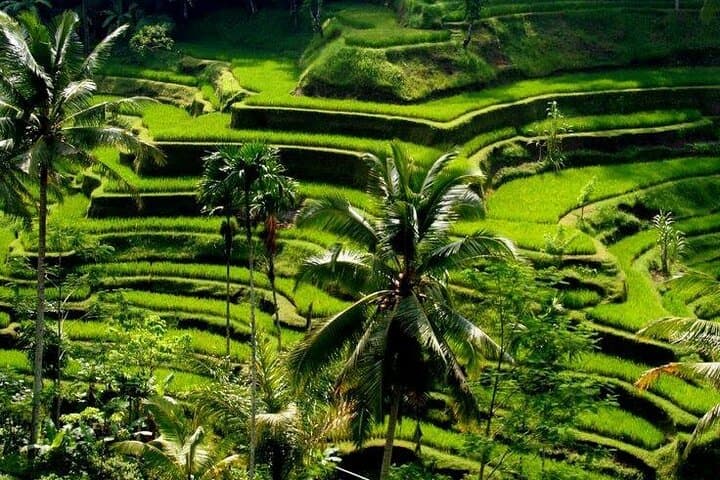
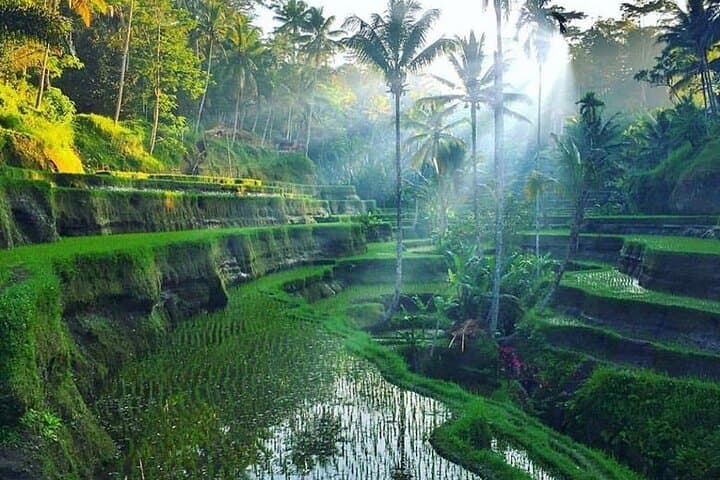
You step out of an air-conditioned van and the humidity of central Bali hits like a warm hand. Narrow lanes open onto a stage of green: terraces stacked like broad stairs, a thread of a river that will dare you to follow it, and a canopy where long‑tailed macaques move with casual authority. This full‑day Ubud loop—Monkey Forest, Tegallalang rice terraces, and Kanto Lampo waterfall—condenses Bali’s cultural pulse and jungle drama into a single day of short walks, gentle climbs and quick swims.
Verified experiences and guided adventures in the surrounding area.
Operated by Best Adventure In Bali · Ubud, Bali
You step out of an air-conditioned van and the humidity of central Bali hits like a warm hand. Narrow lanes open onto a stage of green: terraces stacked like broad stairs, a thread of a river that will dare you to follow it, and a canopy where long‑tailed macaques move with casual authority. This full‑day Ubud loop—Monkey Forest, Tegallalang rice terraces, and Kanto Lampo waterfall—condenses Bali’s cultural pulse and jungle drama into a single day of short walks, gentle climbs and quick swims.
Ubud has been Bali’s arts and spiritual center for generations; the rice terraces you walk through are not just scenery but the visible outcome of the subak, a cooperative irrigation system practiced since the 9th century. Tegallalang’s sculpted slopes are volcanic soil made productive by centuries of human engineering, while the Monkey Forest is both temple complex and living ecosystem where macaques patrol around carved shrines that date to the 14th century.
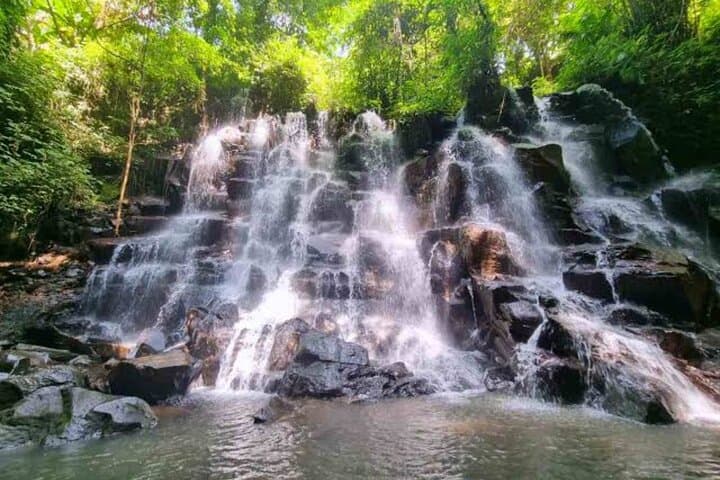
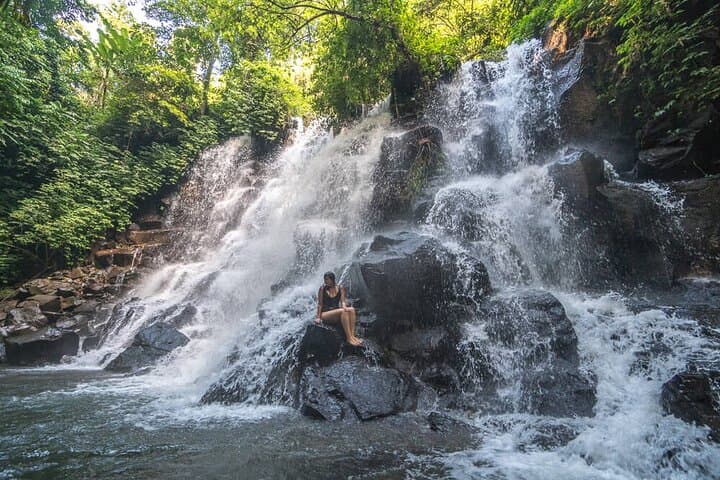
Geologically, the landscape is a product of the island’s volcanic spine—rich lava soils and steep ravines that hold terraces and channels. Kanto Lampo Waterfall shows that geology in motion: water carving through basalt and layered rock to create the waterfall’s stepped face, a photographer’s favorite for its dramatic lines and foamy pools.
Culturally, expect temple gateways, offerings woven from palm leaves, and local guides who translate ritual and landscape into concise stories. Respect is part of the experience—cover shoulders at temple sites, avoid direct eye contact with monkeys when carrying food, and follow your guide’s lead.
Practical guidance: the tour runs about 6–8 hours with mostly easy walking—expect a combined total of 2–3 miles on foot. Tegallalang involves uneven, terraced steps with roughly 100–200 ft of elevation change if you follow the lower trails; Kanto Lampo has a short descent to the base of the falls (stone steps, often slippery). Monkey Forest paths are largely flat but crowded at midday.
Wear sturdy, closed walking shoes with good grip for rocks and wet paths, and bring swimwear if you want a quick dip at Kanto Lampo. Hydrate—Bali’s sun is sudden—and bring a light rain jacket during the wet season. Guides typically provide pickup from Ubud and surrounding towns; transport is air‑conditioned and the tour includes entrance fees and a licensed guide.
Timing matters: arrive at Tegallalang early to see terraces in softer light and avoid tour buses; late afternoon light on the waterfall tightens contrasts for better photos. Finally, be mindful around wildlife—don’t feed the macaques, secure loose items, and let the forest keep its rhythms; the tour is a chance to see an island where nature and human craft still move side by side.
moderate.
6–8 hours.
Reasonable mobility for short hikes and steps; suitable for most fitness levels but not for those with serious spinal or cardiovascular issues.
The tour runs about 6–8 hours and includes air‑conditioned transport, entrance fees for the listed sites, and a licensed guide; pickup from Ubud and nearby areas is provided.
Yes—paths are generally short and manageable, but the waterfall involves slippery steps; children should be supervised and those with mobility limits should check with the operator.
Yes, a controlled swim is possible at the pool below the falls; conditions vary so follow your guide and wear water shoes if you have them.
Macaques are wild and can be bold—don’t feed them, avoid making direct eye contact with food visible, and secure loose items to prevent grabbing.
Wear comfortable walking clothes and cover shoulders for temple areas; sarongs are available at some temple entrances, but a light scarf works as well.
Visit Tegallalang early in the morning or late afternoon; mid‑day brings tour buses and heavy foot traffic.
Ubud evolved from a royal court and cultural center; its rice terraces are maintained through the centuries‑old subak irrigation cooperative system.
Tourism pressures can stress local sites—avoid feeding wildlife, stick to marked paths, and support local guides and vendors to benefit the community.
Best Adventure In Bali operates guided outdoor trips and adventures with an emphasis on safety, stewardship, and memorable experiences.
You step out of an air-conditioned van and the humidity of central Bali hits like a warm hand. Narrow lanes open onto a stage of green: terraces stacked like broad stairs, a thread of a river that will dare you to follow it, and a canopy where long‑tailed macaques move with casual authority. This full‑day Ubud loop—Monkey Forest, Tegallalang rice terraces, and Kanto Lampo waterfall—condenses Bali’s cultural pulse and jungle drama into a single day of short walks, gentle climbs and quick swims.
You step out of an air-conditioned van and the humidity of central Bali hits like a warm hand. Narrow lanes open onto a stage of green: terraces stacked like broad stairs, a thread of a river that will dare you to follow it, and a canopy where long‑tailed macaques move with casual authority. This full‑day Ubud loop—Monkey Forest, Tegallalang rice terraces, and Kanto Lampo waterfall—condenses Bali’s cultural pulse and jungle drama into a single day of short walks, gentle climbs and quick swims.
Ubud has been Bali’s arts and spiritual center for generations; the rice terraces you walk through are not just scenery but the visible outcome of the subak, a cooperative irrigation system practiced since the 9th century. Tegallalang’s sculpted slopes are volcanic soil made productive by centuries of human engineering, while the Monkey Forest is both temple complex and living ecosystem where macaques patrol around carved shrines that date to the 14th century.
Geologically, the landscape is a product of the island’s volcanic spine—rich lava soils and steep ravines that hold terraces and channels. Kanto Lampo Waterfall shows that geology in motion: water carving through basalt and layered rock to create the waterfall’s stepped face, a photographer’s favorite for its dramatic lines and foamy pools.
Culturally, expect temple gateways, offerings woven from palm leaves, and local guides who translate ritual and landscape into concise stories. Respect is part of the experience—cover shoulders at temple sites, avoid direct eye contact with monkeys when carrying food, and follow your guide’s lead.
Practical guidance: the tour runs about 6–8 hours with mostly easy walking—expect a combined total of 2–3 miles on foot. Tegallalang involves uneven, terraced steps with roughly 100–200 ft of elevation change if you follow the lower trails; Kanto Lampo has a short descent to the base of the falls (stone steps, often slippery). Monkey Forest paths are largely flat but crowded at midday.
Wear sturdy, closed walking shoes with good grip for rocks and wet paths, and bring swimwear if you want a quick dip at Kanto Lampo. Hydrate—Bali’s sun is sudden—and bring a light rain jacket during the wet season. Guides typically provide pickup from Ubud and surrounding towns; transport is air‑conditioned and the tour includes entrance fees and a licensed guide.
Timing matters: arrive at Tegallalang early to see terraces in softer light and avoid tour buses; late afternoon light on the waterfall tightens contrasts for better photos. Finally, be mindful around wildlife—don’t feed the macaques, secure loose items, and let the forest keep its rhythms; the tour is a chance to see an island where nature and human craft still move side by side.