THE ADVENTURE COLLECTIVE® · Independent discovery and booking for outdoor travel

Spend a full day in Ubud learning Balinese cooking from market to table, paired with visits to rice fields and nearby cultural sites. Expect hands-on lessons in a family-style kitchen, time in the market, and a guided tour of Ubud highlights.
Spend a full day in Ubud learning Balinese cooking from market to table, paired with visits to rice fields and nearby cultural sites. Expect hands-on lessons in a family-style kitchen, time in the market, and a guided tour of Ubud highlights.
Dawn breaks over Ubud and the market stalls hum to life: chilies glint like jewels, turmeric sends up an earthy scent, and a vendor offers a taste of fresh coconut. The day begins with a hotel pickup and a short drive to the traditional market, where an instructor points out the building blocks of Balinese flavor before you move out to the rice fields—terraced green that seem to push the horizon forward.
Verified experiences and guided adventures in the surrounding area.
Operated by Dejulius Tour · Ubud, Bali
Dawn breaks over Ubud and the market stalls hum to life: chilies glint like jewels, turmeric sends up an earthy scent, and a vendor offers a taste of fresh coconut. The day begins with a hotel pickup and a short drive to the traditional market, where an instructor points out the building blocks of Balinese flavor before you move out to the rice fields—terraced green that seem to push the horizon forward.
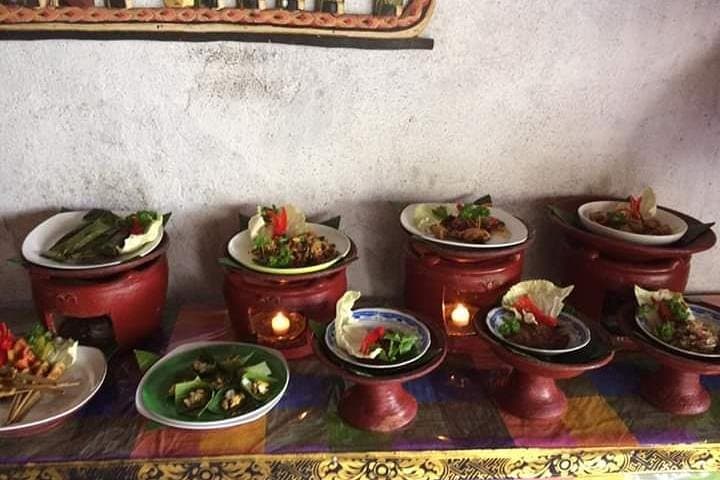
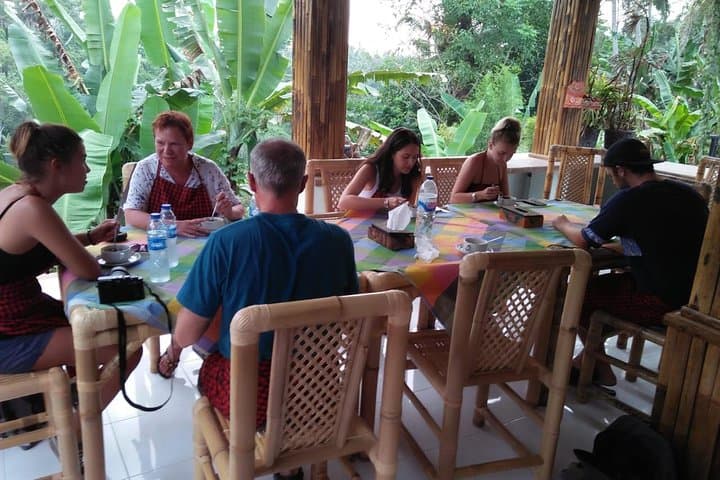
This program threads together food, faith, and farming. Balinese cuisine draws from Hindu ritual, Chinese and Indian trade routes, and the island's volcanic soils; nearby rice terraces are shaped by the subak irrigation system, a centuries-old cooperative recognized by UNESCO. Cultural stops may include a family-style Balinese house where the cooking class takes place, and later a quick circuit of Ubud highlights like the Monkey Forest, a temple, or a local waterfall.
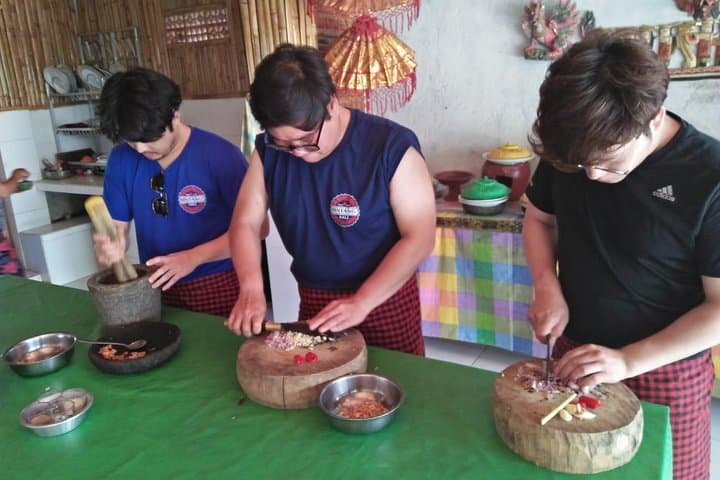
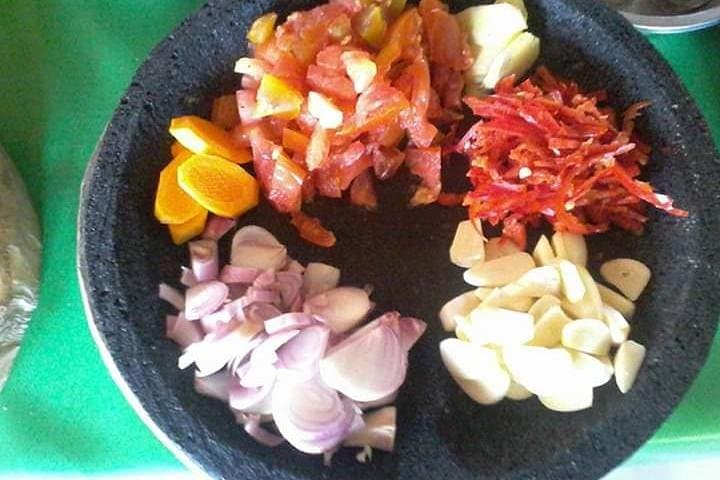
Practically, expect a full day—about eight hours—split between walking, market browsing, hands-on cooking, and eating together. The cooking portion covers ingredient prep, traditional techniques, and recipes you can take home in a small recipe book. You'll stand for much of the class and step across uneven paddy edges during the ricefield visit, so sensible shoes are important.
Plan for sun and occasional showers, bring cash for market purchases, and respect temple dress codes when visiting sacred sites. The experience is equal parts culinary lesson and cultural primer: come curious, bring a camera, and leave with new recipes and a clearer sense of how Balinese food connects to landscape and ritual.
easy.
8 hours.
Light to moderate—comfortable standing and short walks; no special fitness required
Yes—pickup is included for hotels in the Ubud area (typically around 8:00 AM); provide full hotel details and a contact number at booking.
Yes—vegetarian menus are provided; inform the operator in advance about dietary restrictions or allergies.
This shared tour accommodates up to 23 travelers, though cooking groups are often smaller to keep the hands-on element manageable.
Families are welcome; older children who can safely handle basic kitchen tasks will enjoy it, but supervise young kids near cooking surfaces.
Balinese cooking is intertwined with Hindu temple rituals and the island’s irrigation-based rice culture, while spices reflect centuries of regional trade.
Tourism pressures the Ubud area—minimize plastic waste, support family-run kitchens, and follow local guidance in sacred and agricultural sites.
Dejulius Tour operates guided outdoor trips and adventures with an emphasis on safety, stewardship, and memorable experiences.
Dawn breaks over Ubud and the market stalls hum to life: chilies glint like jewels, turmeric sends up an earthy scent, and a vendor offers a taste of fresh coconut. The day begins with a hotel pickup and a short drive to the traditional market, where an instructor points out the building blocks of Balinese flavor before you move out to the rice fields—terraced green that seem to push the horizon forward.
Dawn breaks over Ubud and the market stalls hum to life: chilies glint like jewels, turmeric sends up an earthy scent, and a vendor offers a taste of fresh coconut. The day begins with a hotel pickup and a short drive to the traditional market, where an instructor points out the building blocks of Balinese flavor before you move out to the rice fields—terraced green that seem to push the horizon forward.
This program threads together food, faith, and farming. Balinese cuisine draws from Hindu ritual, Chinese and Indian trade routes, and the island's volcanic soils; nearby rice terraces are shaped by the subak irrigation system, a centuries-old cooperative recognized by UNESCO. Cultural stops may include a family-style Balinese house where the cooking class takes place, and later a quick circuit of Ubud highlights like the Monkey Forest, a temple, or a local waterfall.
Practically, expect a full day—about eight hours—split between walking, market browsing, hands-on cooking, and eating together. The cooking portion covers ingredient prep, traditional techniques, and recipes you can take home in a small recipe book. You'll stand for much of the class and step across uneven paddy edges during the ricefield visit, so sensible shoes are important.
Plan for sun and occasional showers, bring cash for market purchases, and respect temple dress codes when visiting sacred sites. The experience is equal parts culinary lesson and cultural primer: come curious, bring a camera, and leave with new recipes and a clearer sense of how Balinese food connects to landscape and ritual.