THE ADVENTURE COLLECTIVE® · Independent discovery and booking for outdoor travel

Drive a curated circuit through Ubud’s highlights—Tegenungan Waterfall, Tegalalang terraces, Goa Gajah and the Monkey Forest—on a private full-day car charter. This guide gives the scene, cultural context, and practical tips to make the most of a 9–10 hour exploration of central Bali.
Drive a curated circuit through Ubud’s highlights—Tegenungan Waterfall, Tegalalang terraces, Goa Gajah and the Monkey Forest—on a private full-day car charter. This guide gives the scene, cultural context, and practical tips to make the most of a 9–10 hour exploration of central Bali.
You step out of an air-conditioned car into the humid green of central Bali and the first thing you notice is sound: water falling, leaves rubbing in a steady trade wind, distant temple bells that mark time differently here.
Verified experiences and guided adventures in the surrounding area.
Operated by Bali Day Tour · Ubud, Bali
You step out of an air-conditioned car into the humid green of central Bali and the first thing you notice is sound: water falling, leaves rubbing in a steady trade wind, distant temple bells that mark time differently here.
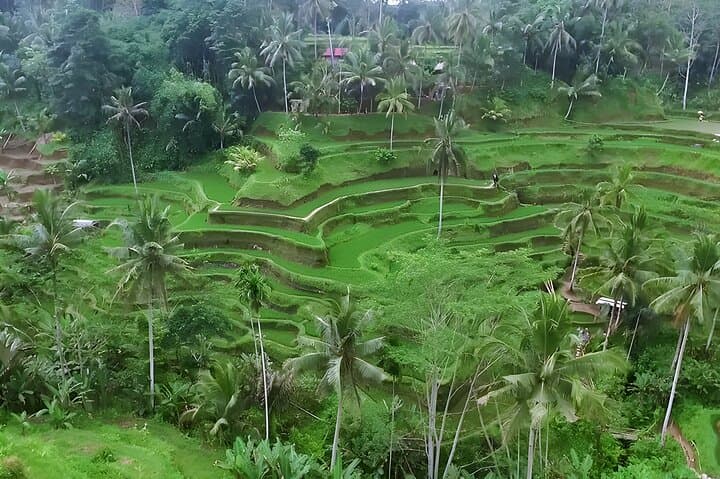
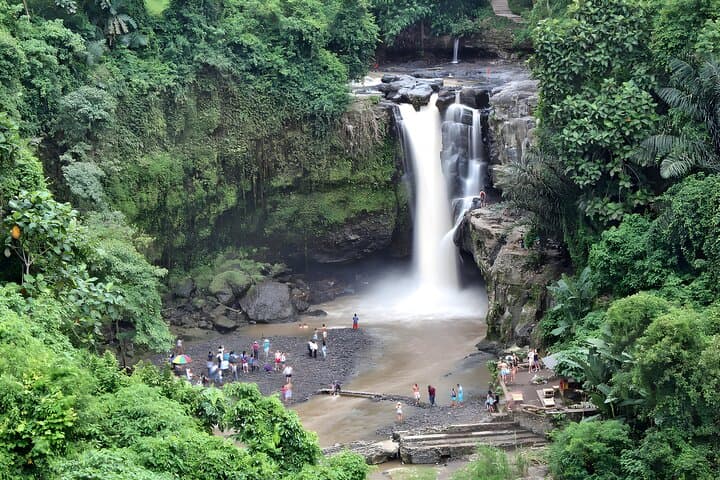
This full-day Ubud charter threads together cultural landmarks and landscape highlights—Tegenungan Waterfall’s 20m drop through volcanic rock, the sculpted shelves of Tegalalang’s rice terraces shaped by centuries of subak irrigation, Goa Gajah’s carved cave mouths, and the monkey-occupied groves of Padangtegal. Ubud itself grew in the 19th–20th centuries as an artists’ and cultural hub; the palace and surrounding markets still anchor that craft tradition.
Geology and human hands are both on display: the terraces follow terraces of andesite-rich slopes, waterfalls cut channels through basalt and jungle, while village temples sit on limestone and alluvial terraces.
Locals operate the sacred sites and the village-run Monkey Forest enforces rules for both monkeys and visitors—respectful clothing and modest behavior are part of the cultural contract.
Practical guidance: expect a 9–10 hour window for a relaxed pace, with short hikes and many staircases at temples and waterfall viewpoints. Carry cash for entrance tickets and food stalls; some sites charge admission. Wear grippy shoes for wet steps and a sarong or cover-up for temple visits. If you plan photos at dawn or late afternoon, note that light softens over terraces but access roads can be busy. The driver doubles as a practical guide and navigator—ask about quieter viewpoints, local cafes, and timing to avoid peak crowds.
easy.
9–10 hours.
Suitable for travelers of average fitness; involves short walks, stairs and standing at viewpoints.
The private charter runs about 9–10 hours and typically includes hotel pick-up/drop-off, a driver-guide, petrol and parking; entrance fees and lunch may be extra depending on the option you choose.
Children can visit but must be supervised closely—macaques are wild animals and can grab food or loose items; follow sanctuary rules and staff guidance.
Yes — private charters are flexible; discuss preferred timing (early morning or late afternoon) with the driver to avoid peak crowds or heat.
Yes — many Balinese temples require covered shoulders and knees; some sites provide sarongs for a small fee but bringing your own is easiest.
Ubud evolved into a cultural center in the late 19th and early 20th centuries; royal patronage and artists’ communities shaped its arts-focused identity and the palace remains a focal point.
The Monkey Forest is managed by the Padangtegal village council with rules to protect both monkeys and cultural structures; rice terraces rely on the traditional subak irrigation system, which communities maintain to reduce erosion and sustain rice farming.
Bali Day Tour operates guided outdoor trips and adventures with an emphasis on safety, stewardship, and memorable experiences.


You step out of an air-conditioned car into the humid green of central Bali and the first thing you notice is sound: water falling, leaves rubbing in a steady trade wind, distant temple bells that mark time differently here.
You step out of an air-conditioned car into the humid green of central Bali and the first thing you notice is sound: water falling, leaves rubbing in a steady trade wind, distant temple bells that mark time differently here.
This full-day Ubud charter threads together cultural landmarks and landscape highlights—Tegenungan Waterfall’s 20m drop through volcanic rock, the sculpted shelves of Tegalalang’s rice terraces shaped by centuries of subak irrigation, Goa Gajah’s carved cave mouths, and the monkey-occupied groves of Padangtegal. Ubud itself grew in the 19th–20th centuries as an artists’ and cultural hub; the palace and surrounding markets still anchor that craft tradition.
Geology and human hands are both on display: the terraces follow terraces of andesite-rich slopes, waterfalls cut channels through basalt and jungle, while village temples sit on limestone and alluvial terraces.
Locals operate the sacred sites and the village-run Monkey Forest enforces rules for both monkeys and visitors—respectful clothing and modest behavior are part of the cultural contract.
Practical guidance: expect a 9–10 hour window for a relaxed pace, with short hikes and many staircases at temples and waterfall viewpoints. Carry cash for entrance tickets and food stalls; some sites charge admission. Wear grippy shoes for wet steps and a sarong or cover-up for temple visits. If you plan photos at dawn or late afternoon, note that light softens over terraces but access roads can be busy. The driver doubles as a practical guide and navigator—ask about quieter viewpoints, local cafes, and timing to avoid peak crowds.