THE ADVENTURE COLLECTIVE® · Independent discovery and booking for outdoor travel

Spend a full day between cliff-top Maya ruins and freshwater cenotes: a guided visit to Tulum’s archaeological site followed by guided snorkeling in cavern and open cenotes, plus a traditional Mayan lunch.
Spend a full day between cliff-top Maya ruins and freshwater cenotes: a guided visit to Tulum’s archaeological site followed by guided snorkeling in cavern and open cenotes, plus a traditional Mayan lunch.
You step out of the van into a strip of wind and sun where Caribbean scrub meets limestone cliffs. The ruins sit a short walk from a turquoise ribbon of sea; the jungle presses close enough to blur the edges of stone and root. That contrast—open coastal ruins above and submerged caverns below—defines the day.
Verified experiences and guided adventures in the surrounding area.
Operated by Dive It · Tulum, Quintana Roo
You step out of the van into a strip of wind and sun where Caribbean scrub meets limestone cliffs. The ruins sit a short walk from a turquoise ribbon of sea; the jungle presses close enough to blur the edges of stone and root. That contrast—open coastal ruins above and submerged caverns below—defines the day.
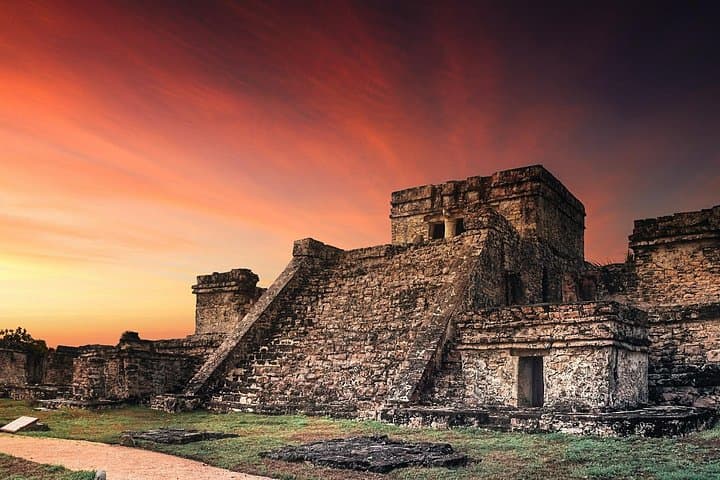
Tulum was one of the last major cities built and inhabited by the Maya; its cliff-top Castillo once watched trade canoes slip along the Mesoamerican reef. The geology is karst limestone—rainwater dissolves bedrock to form cenotes, from tight cavern pools to wide, light-dusted sinkholes. On this full-day route you’ll spend roughly 90 minutes exploring the Tulum site (a voluntary $10 contribution is customary) and several hours moving between cavern and open cenote types for guided snorkeling.
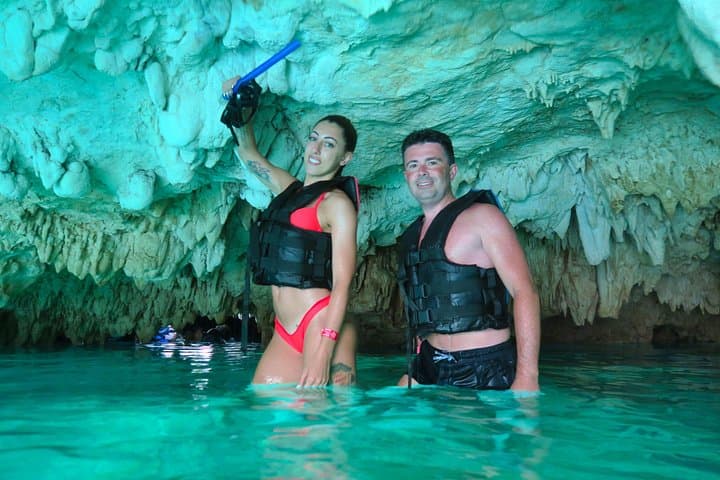
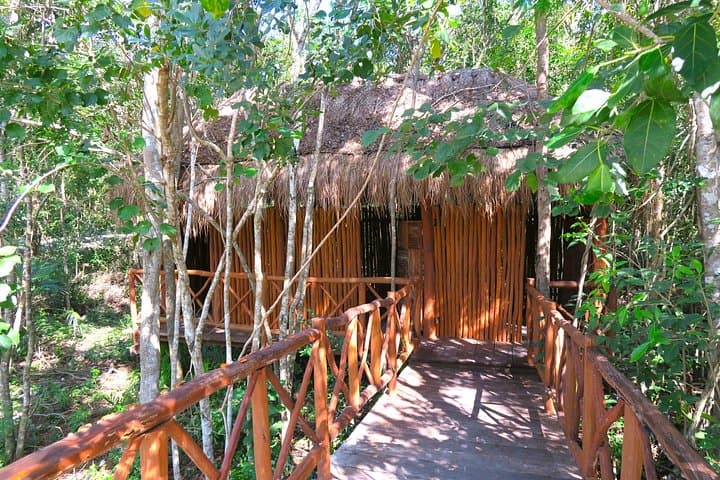
Expect sandy paths, wooden boardwalks, shallow steps and the sudden hush of a cavern where light filters down like a shaft. Guides provide masks, snorkels and briefings; swim sections vary from shallow swims to areas where buoyant life jackets are recommended. Lunch is local Mayan-style fare—handmade tortillas and a choice of proteins—served community-style.
Practically: the tour runs about seven hours including transfers in an air-conditioned vehicle, minimal elevation change (near sea level), and intermittent walking on uneven terrain. Bring reef-safe sunscreen, water, a swimsuit and water shoes. Arrive with a charged phone, a small amount of cash for contributions or souvenirs, and an appetite for cool cenotes after warm coastal ruins.
moderate.
7 hours (full day).
Suitable for most travelers with average fitness; be comfortable walking on uneven ground and swimming short distances.
The tour is approximately seven hours; start times vary by operator and pickup point—confirm at booking and allow 1.5–2 hours travel if departing from Cancun.
The archaeological site typically requires a contribution (around $10 USD); this tour notes the contribution and may not include official park entry fees—carry cash.
No prior experience is required—guides provide equipment and instruction; being comfortable in open water and able to float is helpful.
Many cenotes are family-friendly with shallow edges, but specific cavern cenotes can be deeper—check individual site accessibility and always use provided life jackets if you’re not a confident swimmer.
Tulum was a late Maya coastal port linked to trade along the Caribbean; inscriptions and structures combine coastal defense with ceremonial architecture.
Cenotes are part of the Yucatán’s aquifer—use reef-safe products, avoid leaving trash, and follow guides’ rules to minimize impact.
Dive It operates guided outdoor trips and adventures with an emphasis on safety, stewardship, and memorable experiences.
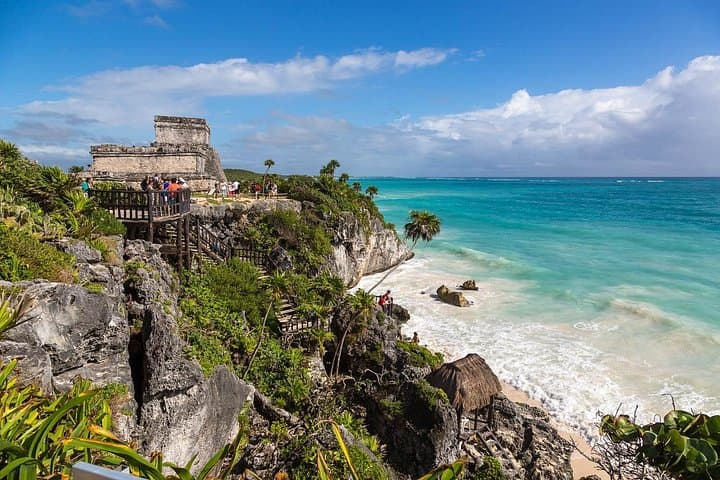
You step out of the van into a strip of wind and sun where Caribbean scrub meets limestone cliffs. The ruins sit a short walk from a turquoise ribbon of sea; the jungle presses close enough to blur the edges of stone and root. That contrast—open coastal ruins above and submerged caverns below—defines the day.
You step out of the van into a strip of wind and sun where Caribbean scrub meets limestone cliffs. The ruins sit a short walk from a turquoise ribbon of sea; the jungle presses close enough to blur the edges of stone and root. That contrast—open coastal ruins above and submerged caverns below—defines the day.
Tulum was one of the last major cities built and inhabited by the Maya; its cliff-top Castillo once watched trade canoes slip along the Mesoamerican reef. The geology is karst limestone—rainwater dissolves bedrock to form cenotes, from tight cavern pools to wide, light-dusted sinkholes. On this full-day route you’ll spend roughly 90 minutes exploring the Tulum site (a voluntary $10 contribution is customary) and several hours moving between cavern and open cenote types for guided snorkeling.
Expect sandy paths, wooden boardwalks, shallow steps and the sudden hush of a cavern where light filters down like a shaft. Guides provide masks, snorkels and briefings; swim sections vary from shallow swims to areas where buoyant life jackets are recommended. Lunch is local Mayan-style fare—handmade tortillas and a choice of proteins—served community-style.
Practically: the tour runs about seven hours including transfers in an air-conditioned vehicle, minimal elevation change (near sea level), and intermittent walking on uneven terrain. Bring reef-safe sunscreen, water, a swimsuit and water shoes. Arrive with a charged phone, a small amount of cash for contributions or souvenirs, and an appetite for cool cenotes after warm coastal ruins.