THE ADVENTURE COLLECTIVE® · Independent discovery and booking for outdoor travel

Spend a full day climbing Cobá’s Nohoch Muul, exploring Tulum’s seaside temples, then cooling off in a sacred cenote. This well-paced tour combines history, geology, and a refreshing swim with round-trip transport.
Spend a full day climbing Cobá’s Nohoch Muul, exploring Tulum’s seaside temples, then cooling off in a sacred cenote. This well-paced tour combines history, geology, and a refreshing swim with round-trip transport.
You arrive before the heat of midday, the Caribbean keeping watch to the east while a bus hums toward two of the Yucatán’s most imposing reminders of Maya ambition. The day moves in clear beats: the limestone stair of Nohoch Muul at Cobá, the cliffside temples of Tulum facing an unflinching sea, then the cool hush of a cenote where underground waters dare you to pause.
Verified experiences and guided adventures in the surrounding area.
Operated by Cancun Tours Book · Tulum, Quintana Roo
You arrive before the heat of midday, the Caribbean keeping watch to the east while a bus hums toward two of the Yucatán’s most imposing reminders of Maya ambition. The day moves in clear beats: the limestone stair of Nohoch Muul at Cobá, the cliffside temples of Tulum facing an unflinching sea, then the cool hush of a cenote where underground waters dare you to pause.
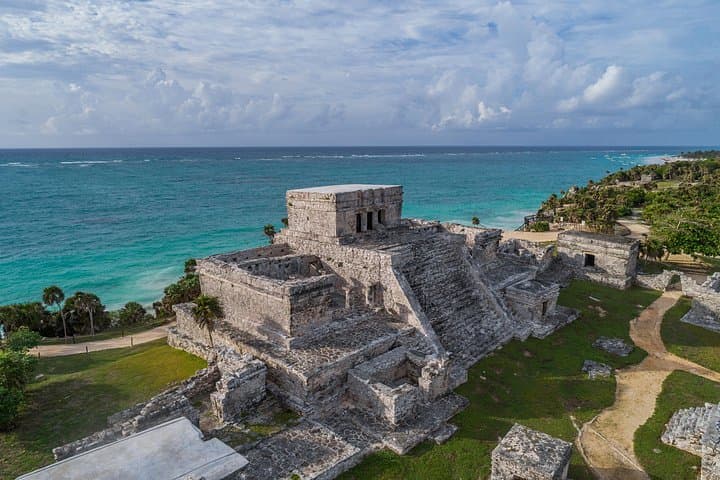
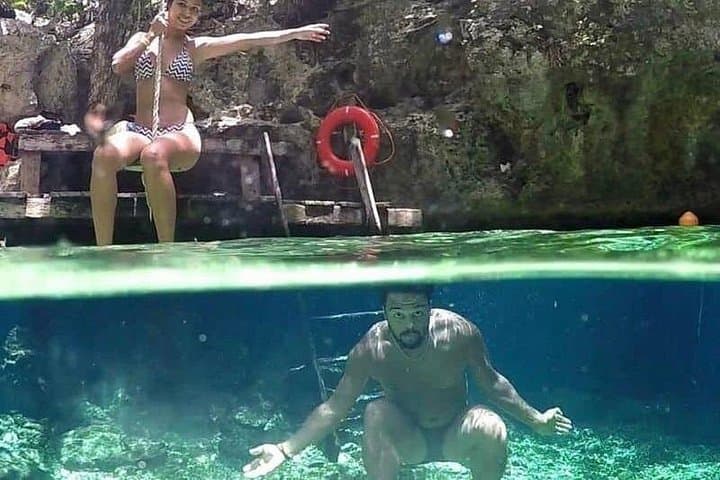
Tulum’s ruins sit on a low escarpment carved from Cretaceous limestone, their weathered stone and stucco echoing a port city that traded salt, fish and obsidian across the coast. Cobá spreads inland through low jungle and sinkholes; Nohoch Muul was once a civic center and its pyramid rewarded those who climbed with sweeping views of the forest canopy. Cenotes are collapsed cave systems—geology meets ritual: freshwater aquifers that sustained and fascinated the Maya.
Culturally the route crosses living Maya towns, seaside tourism, and protected archeological parks. Guides will point out stelae, water-management features, and contemporary crafts sold near the sites. Expect a rhythm of guided segments and free time to climb, photograph, and swim.
Practical guidance: plan for a long day (10–12 hours) and wear shoes that handle loose limestone and damp path. Sun protection, a change of clothes, and cash for small vendor purchases make the day smoother. Bring a reusable water bottle and move deliberately through crowds—early or late time windows feel most spacious.
moderate.
10–12 hours.
Suitable for travelers in reasonable shape who can manage stair climbs, walking over uneven ground, and short swims.
Not always—this tour’s itinerary indicates some admissions are included and others are not; confirm at booking and be prepared to pay park fees when required.
Climbing is generally permitted but subject to park rules and occasional closures for preservation—follow your guide and posted signage.
Cenotes are freshwater and often deep; life jackets are typically available—non-swimmers should wear one and stay near supervised areas.
Pickup is usually from central hotels or a designated downtown point around 7:00 AM; exact pickup details are sent the day before—confirm contact info when you book.
Tulum served as a major port and trading post in the late Postclassic Maya period, while Cobá functioned as an inland networked city connected by ancient sacbeob (white roads).
Parks manage foot traffic and occasional closures to protect fragile structures and cenote ecosystems; use biodegradable sunscreen and avoid touching structures to reduce impact.
Cancun Tours Book operates guided outdoor trips and adventures with an emphasis on safety, stewardship, and memorable experiences.


You arrive before the heat of midday, the Caribbean keeping watch to the east while a bus hums toward two of the Yucatán’s most imposing reminders of Maya ambition. The day moves in clear beats: the limestone stair of Nohoch Muul at Cobá, the cliffside temples of Tulum facing an unflinching sea, then the cool hush of a cenote where underground waters dare you to pause.
You arrive before the heat of midday, the Caribbean keeping watch to the east while a bus hums toward two of the Yucatán’s most imposing reminders of Maya ambition. The day moves in clear beats: the limestone stair of Nohoch Muul at Cobá, the cliffside temples of Tulum facing an unflinching sea, then the cool hush of a cenote where underground waters dare you to pause.
Tulum’s ruins sit on a low escarpment carved from Cretaceous limestone, their weathered stone and stucco echoing a port city that traded salt, fish and obsidian across the coast. Cobá spreads inland through low jungle and sinkholes; Nohoch Muul was once a civic center and its pyramid rewarded those who climbed with sweeping views of the forest canopy. Cenotes are collapsed cave systems—geology meets ritual: freshwater aquifers that sustained and fascinated the Maya.
Culturally the route crosses living Maya towns, seaside tourism, and protected archeological parks. Guides will point out stelae, water-management features, and contemporary crafts sold near the sites. Expect a rhythm of guided segments and free time to climb, photograph, and swim.
Practical guidance: plan for a long day (10–12 hours) and wear shoes that handle loose limestone and damp path. Sun protection, a change of clothes, and cash for small vendor purchases make the day smoother. Bring a reusable water bottle and move deliberately through crowds—early or late time windows feel most spacious.