THE ADVENTURE COLLECTIVE® · Independent discovery and booking for outdoor travel

Spend a full day touring the layered ruins of Troy and the solemn ANZAC battlefields of Gallipoli from Canakkale. This full-day excursion blends archaeology, military history and coastal scenery with practical guidance for a long walking day.
Spend a full day touring the layered ruins of Troy and the solemn ANZAC battlefields of Gallipoli from Canakkale. This full-day excursion blends archaeology, military history and coastal scenery with practical guidance for a long walking day.
A salt breeze from the Dardanelles follows the coach as it leaves Çanakkale and the day stretches long and bright. By mid-morning you stand on the low mound of Troy — layers of mudbrick and stone pressed like pages of a hard-worn book — where Bronze Age walls meet later classical foundations. The guide separates myth from evidence, pointing to the stratified ruins that suggest repeated settlement, trade and fire.
Verified experiences and guided adventures in the surrounding area.
Operated by Crowded House Tours · Canakkale, Çanakkale Province
A salt breeze from the Dardanelles follows the coach as it leaves Çanakkale and the day stretches long and bright. By mid-morning you stand on the low mound of Troy — layers of mudbrick and stone pressed like pages of a hard-worn book — where Bronze Age walls meet later classical foundations. The guide separates myth from evidence, pointing to the stratified ruins that suggest repeated settlement, trade and fire.
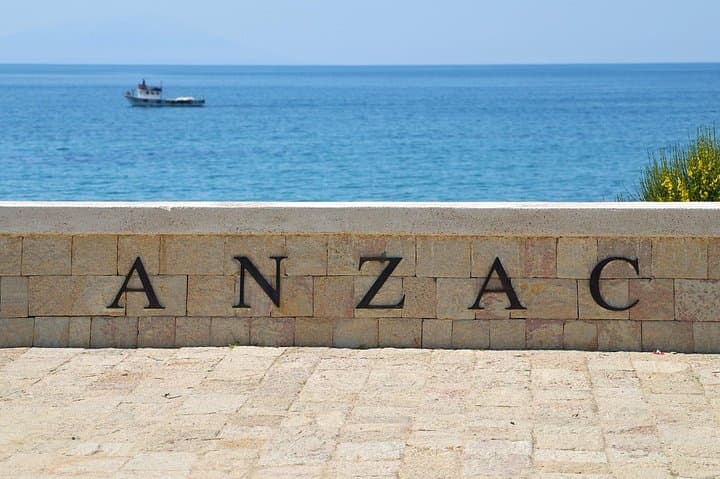
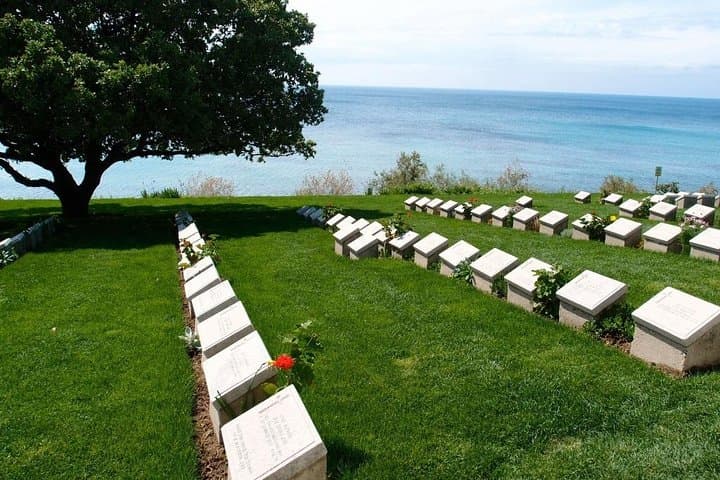
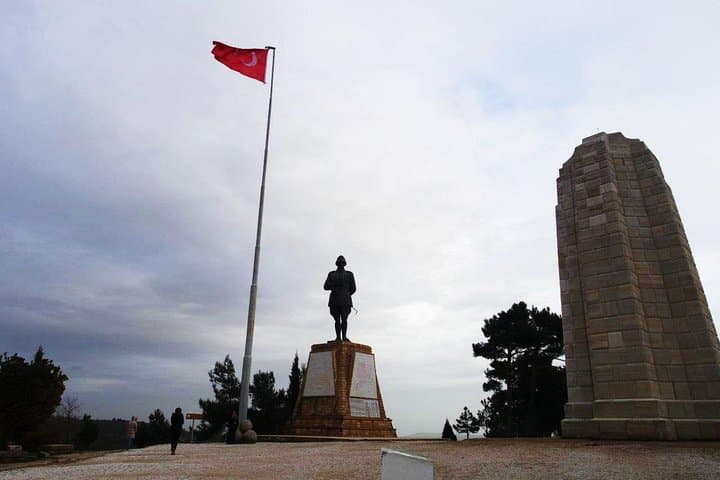
Later the road narrows and the Gallipoli Peninsula opens: scrubby ridgelines, carved trenches, and rows of white headstones that catch the light. The landscape here is geological and human history in close quarters — limestone outcrops, windswept cliffs, and rolling pasture that once echoed with 1915 artillery. Cultural memory is palpable: ANZAC commemorations, Turkish memorials, and small museums preserve letters, uniforms and maps.
Practicalities anchor the romance. Expect about 10–11 hours with several short walks across uneven ground and historic trenches. Wear sturdy shoes, sun protection, and bring a refillable water bottle; much of the touring is exposed. Photography is allowed but observe memorial etiquette and keep to marked paths at archaeological sites.
Timing matters: spring and autumn offer cooler temps and quieter sites; Anzac Day (April 25) is deeply significant and very busy. The tour includes Troy admission and guided time at key Gallipoli memorials; local lunch options often include vegetarian choices. This is part-history lesson, part-field trip — visceral, reflective and rigorously walkable.
moderate.
10–11 hours.
Suitable for travelers who can manage several short walks on uneven ground and stand for guided talks over a long day
Troy site admission is included; Gallipoli memorial areas are public but some museums or specific exhibits may have separate fees—your itinerary notes included admissions.
The tour typically meets near the ferry harbour in Canakkale; exact pickup details are provided when you book and may include central meeting points.
Short sections are stroller-accessible, but many routes include uneven ground and steps; infants may need to remain on laps during parts of the day.
Yes—photography is allowed, but be respectful at memorials and avoid climbing or touching fragile archaeological features at Troy.
Troy’s multi-layered ruins span the Bronze Age through classical periods and inspired the Iliad; Gallipoli marks the 1915 campaign that shaped national memory for ANZAC nations and modern Turkey.
Sites are fragile—stay on marked paths at the archaeological site, refrain from touching artifacts, and observe signage at memorials to protect graves and preserved trenches.
Crowded House Tours operates guided outdoor trips and adventures with an emphasis on safety, stewardship, and memorable experiences.
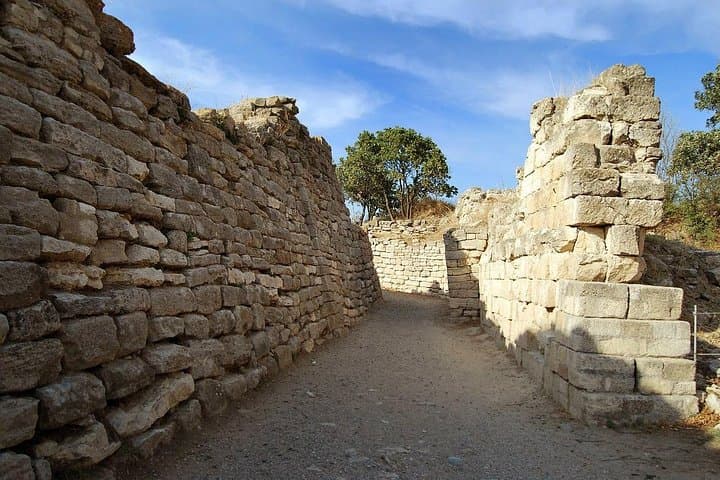
A salt breeze from the Dardanelles follows the coach as it leaves Çanakkale and the day stretches long and bright. By mid-morning you stand on the low mound of Troy — layers of mudbrick and stone pressed like pages of a hard-worn book — where Bronze Age walls meet later classical foundations. The guide separates myth from evidence, pointing to the stratified ruins that suggest repeated settlement, trade and fire.
A salt breeze from the Dardanelles follows the coach as it leaves Çanakkale and the day stretches long and bright. By mid-morning you stand on the low mound of Troy — layers of mudbrick and stone pressed like pages of a hard-worn book — where Bronze Age walls meet later classical foundations. The guide separates myth from evidence, pointing to the stratified ruins that suggest repeated settlement, trade and fire.
Later the road narrows and the Gallipoli Peninsula opens: scrubby ridgelines, carved trenches, and rows of white headstones that catch the light. The landscape here is geological and human history in close quarters — limestone outcrops, windswept cliffs, and rolling pasture that once echoed with 1915 artillery. Cultural memory is palpable: ANZAC commemorations, Turkish memorials, and small museums preserve letters, uniforms and maps.
Practicalities anchor the romance. Expect about 10–11 hours with several short walks across uneven ground and historic trenches. Wear sturdy shoes, sun protection, and bring a refillable water bottle; much of the touring is exposed. Photography is allowed but observe memorial etiquette and keep to marked paths at archaeological sites.
Timing matters: spring and autumn offer cooler temps and quieter sites; Anzac Day (April 25) is deeply significant and very busy. The tour includes Troy admission and guided time at key Gallipoli memorials; local lunch options often include vegetarian choices. This is part-history lesson, part-field trip — visceral, reflective and rigorously walkable.