THE ADVENTURE COLLECTIVE® · Independent discovery and booking for outdoor travel

A full-day private-car rafting trip from Kathmandu that mixes accessible whitewater with Himalayan valley scenery. Expect a 3–4 hour guided float through class II–III rapids, river beaches for lunch, and clear views of the Manakamana cable car.
A full-day private-car rafting trip from Kathmandu that mixes accessible whitewater with Himalayan valley scenery. Expect a 3–4 hour guided float through class II–III rapids, river beaches for lunch, and clear views of the Manakamana cable car.
You’re on the road before the city wakes: a private car peels away from Kathmandu and the hills open into the Trishuli valley, where the river lowers its voice and then begins to speak in rapids.
Verified experiences and guided adventures in the surrounding area.
Operated by Welcome Nepal Treks P.ltd · Charaundi, Bagmati Province
You’re on the road before the city wakes: a private car peels away from Kathmandu and the hills open into the Trishuli valley, where the river lowers its voice and then begins to speak in rapids.
Put-in at Charaudi (often called Charaundi/Ratoghar) follows a short safety briefing and the sight of the cable car to Manakamana cutting the slope above—a local landmark that maps culture into the landscape. Trishuli itself is a Himalayan workhorse: snowmelt and monsoon rains feed a river that has carved gorges and polished cobbles for millennia. Historically it marked trade corridors between valley communities and remains integral to local irrigation and riverfront life.
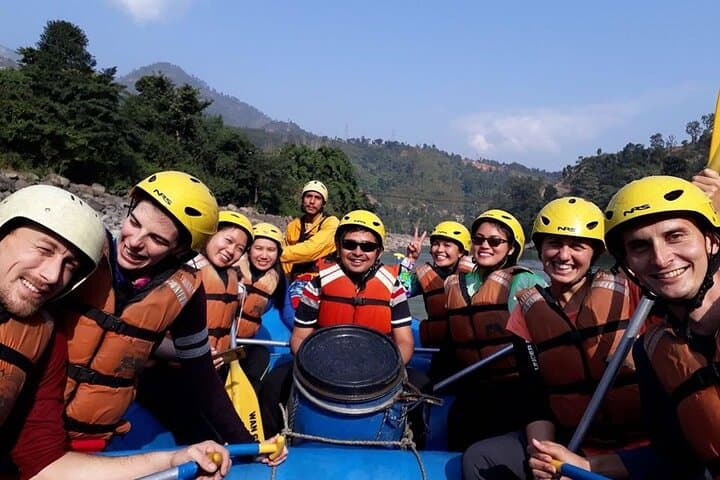
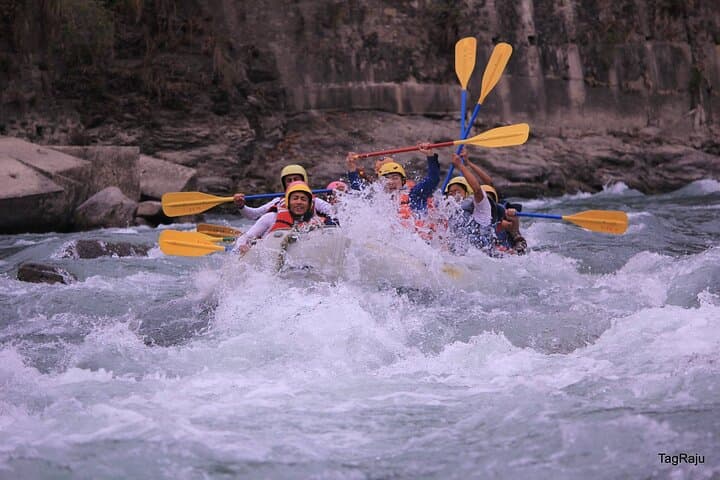
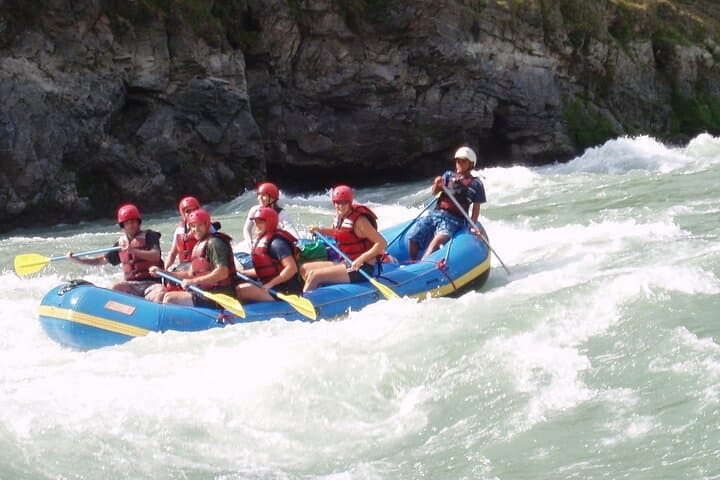
Expect mostly class II–III water with a handful of bigger drops in high season; guides steer, call commands, and keep the pace lively for beginners and families. The river alternates wide, calm runs that let you breathe and narrow, rock-studded chutes that shove the raft forward—currents that feel purposeful rather than wild.
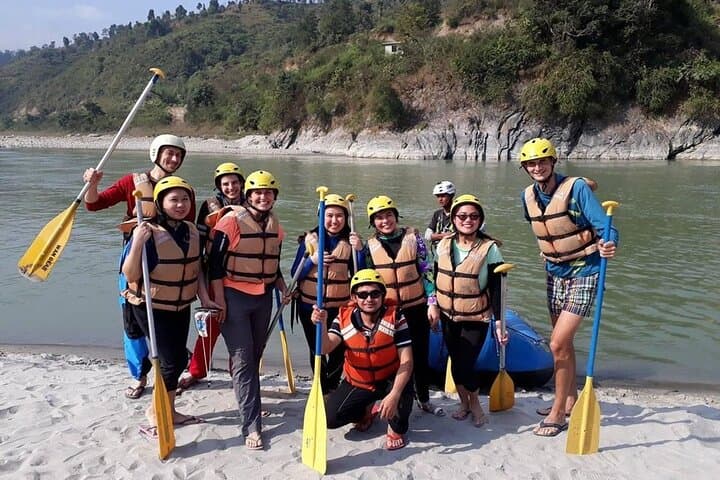
Lunch on a sandy beach mid-afternoon gives time to stretch and watch kingfishers quarter the water and village life along the bank.
Practical side: plan for a long day—roughly 3 hours drive each way and 3–4 hours on the water—bring quick-dry layers, secure footwear, sun protection, and a dry bag for essentials. Follow guide instruction, rinse gear after the trip, and pack out trash; the river’s mood changes with the seasons, so check water levels before you go.
moderate.
9–11 hours.
Light to moderate fitness; able to climb in and out of a raft, sit for several hours and follow guide commands.
No—this trip is designed for beginners and families; certified guides give a safety briefing and handle navigation through rapids.
Generally class II–III with some bigger waves in high water; conditions vary by season, but the run is known as energetic rather than extreme.
Private round-trip transport from Kathmandu, government-certified guide, helmet and lifejacket, raft, lunch, and hotel pickup/drop-off are included.
The operator states it’s suitable for most ages, but it’s not recommended for people with serious heart, back issues, or pregnancy; check specific booking rules before you go.
Trishuli takes its name from ‘Trishul’ (Shiva’s trident) and has long been part of trade and pilgrimage routes linking hill communities to the Kathmandu Valley.
Operators and guides generally emphasize leave-no-trace; avoid single-use plastics and respect riverside cultivation—rising development and waste threaten river health.
Welcome Nepal Treks P.ltd operates guided outdoor trips and adventures with an emphasis on safety, stewardship, and memorable experiences.
You’re on the road before the city wakes: a private car peels away from Kathmandu and the hills open into the Trishuli valley, where the river lowers its voice and then begins to speak in rapids.
You’re on the road before the city wakes: a private car peels away from Kathmandu and the hills open into the Trishuli valley, where the river lowers its voice and then begins to speak in rapids.
Put-in at Charaudi (often called Charaundi/Ratoghar) follows a short safety briefing and the sight of the cable car to Manakamana cutting the slope above—a local landmark that maps culture into the landscape. Trishuli itself is a Himalayan workhorse: snowmelt and monsoon rains feed a river that has carved gorges and polished cobbles for millennia. Historically it marked trade corridors between valley communities and remains integral to local irrigation and riverfront life.
Expect mostly class II–III water with a handful of bigger drops in high season; guides steer, call commands, and keep the pace lively for beginners and families. The river alternates wide, calm runs that let you breathe and narrow, rock-studded chutes that shove the raft forward—currents that feel purposeful rather than wild.
Lunch on a sandy beach mid-afternoon gives time to stretch and watch kingfishers quarter the water and village life along the bank.
Practical side: plan for a long day—roughly 3 hours drive each way and 3–4 hours on the water—bring quick-dry layers, secure footwear, sun protection, and a dry bag for essentials. Follow guide instruction, rinse gear after the trip, and pack out trash; the river’s mood changes with the seasons, so check water levels before you go.