THE ADVENTURE COLLECTIVE® · Independent discovery and booking for outdoor travel

Spend a full day exploring Tripoli’s citadel, Mamluk mosques and lively souks, then head to Batroun’s ancient sea wall and beaches. This small‑group tour includes hotel pickup, a guided itinerary, and lunch—ideal for culture-minded travelers who prefer a structured day trip from Beirut.
Spend a full day exploring Tripoli’s citadel, Mamluk mosques and lively souks, then head to Batroun’s ancient sea wall and beaches. This small‑group tour includes hotel pickup, a guided itinerary, and lunch—ideal for culture-minded travelers who prefer a structured day trip from Beirut.
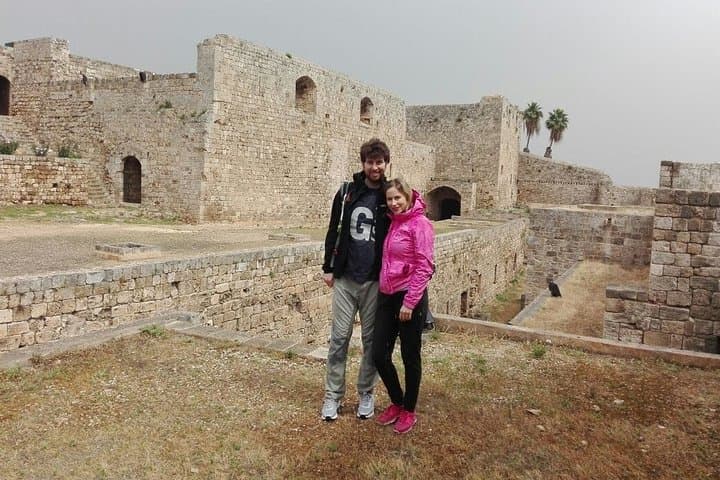
A humid Mediterranean breeze carries the smell of citrus and frying sugar as the minibus slips north from Beirut toward Tripoli’s seafront. Visitors step into a city of layered stones: Phoenician piers at Al‑Mina, Crusader bastions rising into sky at Qal’at Sinjil, and narrow alleys where merchants still call across centuries-old arcades.
Verified experiences and guided adventures in the surrounding area.
Operated by Lebanon Tours · Tripoli, North Governorate
A humid Mediterranean breeze carries the smell of citrus and frying sugar as the minibus slips north from Beirut toward Tripoli’s seafront. Visitors step into a city of layered stones: Phoenician piers at Al‑Mina, Crusader bastions rising into sky at Qal’at Sinjil, and narrow alleys where merchants still call across centuries-old arcades.
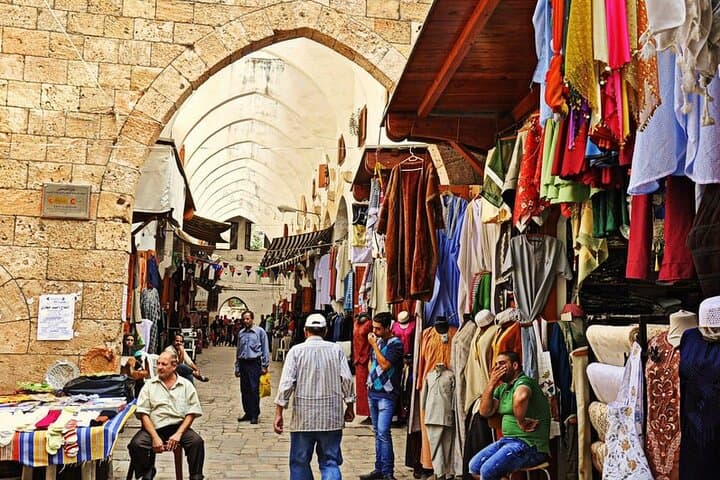
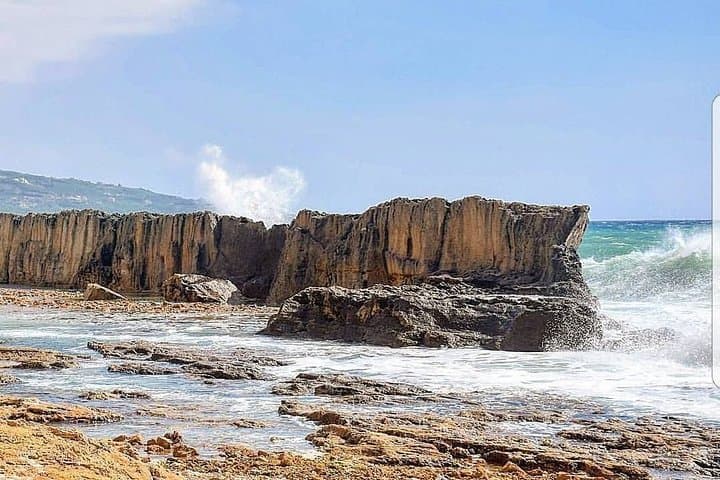
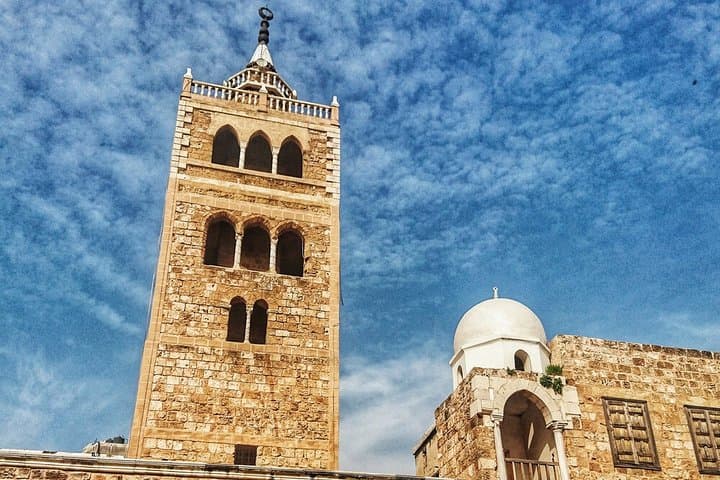
Tripoli’s history is visible in masonry and in ritual—Mamluk mosques with carved stone portals, Ottoman khans turned markets, and hammams with pierced domes. Geologically the coast sits on limestone and ancient, compacted dunes; Batroun’s Phoenician sea wall is literally petrified sand reinforced and reused across Roman and later eras. Cultural life centers on souks that sell soap, sweets like the famed Kasr El Helou pastries, and Hilmi’s lemonade stands—a practical, delicious counterpoint to touring.
Practicalities are straightforward: the full-day tour runs about eight hours with hotel pickup in Beirut, an air-conditioned vehicle, guided stops at the citadel, mosques, souks, and Batroun’s waterfront, plus a sit-down lunch. Walks in markets and castle courtyards are on uneven stone and short stairways; comfortable shoes and sun protection make the day far more enjoyable. Expect crowded alleys at peak hours, modest dress at religious sites, and chances to sample local food and coastal breezes in Batroun before returning to Beirut at day’s end.
easy.
8 hours.
Suitable for most fitness levels; involves several short walks and standing in markets and monuments
The tour is approximately eight hours and includes hotel pickup/drop-off from Beirut, an English-speaking guide, entrance to listed historical sites, and a lunch.
The tour is described as suitable for all fitness levels, but some sites have steps and uneven surfaces; inform the operator of mobility needs ahead of time.
Tickets or admission to historical sites are listed as included in the tour's inclusions.
Modest clothing is recommended—long sleeves and long pants or a scarf to cover shoulders; women may be asked to cover their hair at certain sites.
Tripoli and Batroun trace back to Phoenician maritime settlements; the citadel and many mosques reflect Crusader, Mamluk and Ottoman layers visible in stonework and urban layout.
Several of Al‑Mina’s islands are designated natural reserves to protect fish breeding habitats; visitors are encouraged to avoid littering and reduce single‑use plastics to protect coastal ecology.
Lebanon Tours operates guided outdoor trips and adventures with an emphasis on safety, stewardship, and memorable experiences.
A humid Mediterranean breeze carries the smell of citrus and frying sugar as the minibus slips north from Beirut toward Tripoli’s seafront. Visitors step into a city of layered stones: Phoenician piers at Al‑Mina, Crusader bastions rising into sky at Qal’at Sinjil, and narrow alleys where merchants still call across centuries-old arcades.
A humid Mediterranean breeze carries the smell of citrus and frying sugar as the minibus slips north from Beirut toward Tripoli’s seafront. Visitors step into a city of layered stones: Phoenician piers at Al‑Mina, Crusader bastions rising into sky at Qal’at Sinjil, and narrow alleys where merchants still call across centuries-old arcades.
Tripoli’s history is visible in masonry and in ritual—Mamluk mosques with carved stone portals, Ottoman khans turned markets, and hammams with pierced domes. Geologically the coast sits on limestone and ancient, compacted dunes; Batroun’s Phoenician sea wall is literally petrified sand reinforced and reused across Roman and later eras. Cultural life centers on souks that sell soap, sweets like the famed Kasr El Helou pastries, and Hilmi’s lemonade stands—a practical, delicious counterpoint to touring.
Practicalities are straightforward: the full-day tour runs about eight hours with hotel pickup in Beirut, an air-conditioned vehicle, guided stops at the citadel, mosques, souks, and Batroun’s waterfront, plus a sit-down lunch. Walks in markets and castle courtyards are on uneven stone and short stairways; comfortable shoes and sun protection make the day far more enjoyable. Expect crowded alleys at peak hours, modest dress at religious sites, and chances to sample local food and coastal breezes in Batroun before returning to Beirut at day’s end.