THE ADVENTURE COLLECTIVE® · Independent discovery and booking for outdoor travel

Cross an international border and spend a full day in the Fan Mountains visiting the Seven Lakes (Haftkul). This private tour from Samarkand covers all seven basins, short walks between viewpoints, and a lakeside lunch — bring layers and a valid multi-entry visa.
Cross an international border and spend a full day in the Fan Mountains visiting the Seven Lakes (Haftkul). This private tour from Samarkand covers all seven basins, short walks between viewpoints, and a lakeside lunch — bring layers and a valid multi-entry visa.
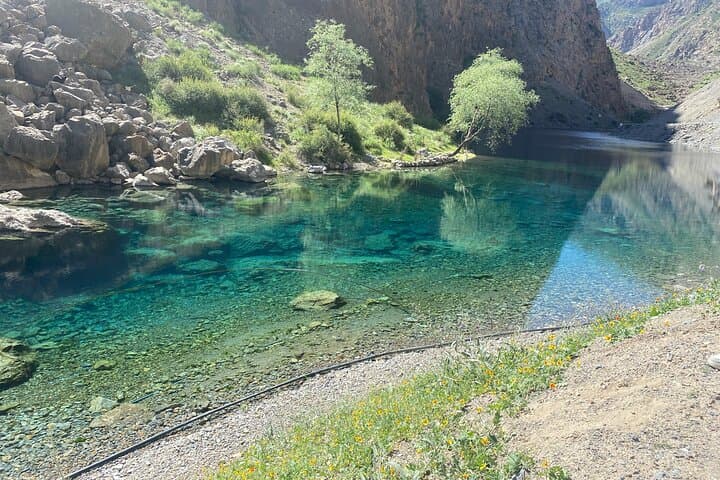
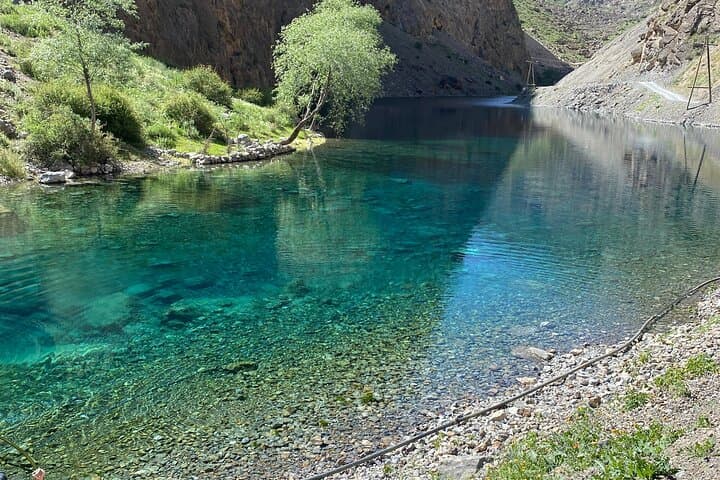
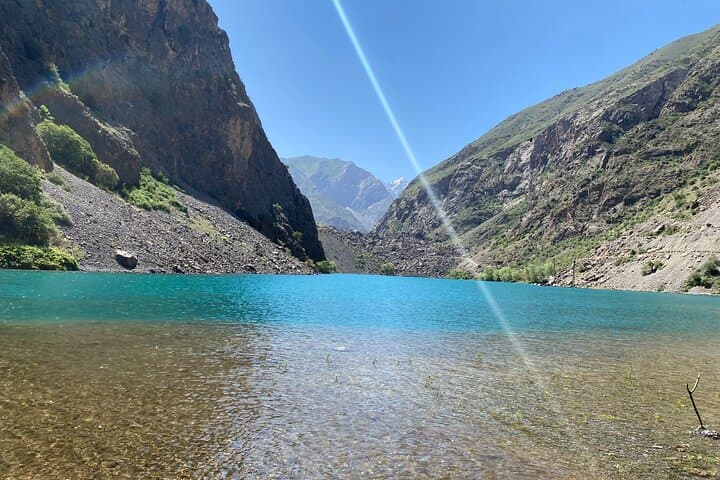
You step into a raw mountain gorge before the sun has warmed the air — a jagged wall of rock and pine funnels the Shing River and, farther in, a chain of seven lakes that change color as clouds pass overhead.
Verified experiences and guided adventures in the surrounding area.
Operated by Malika ST Tours · Padrut, Sughd Region
You step into a raw mountain gorge before the sun has warmed the air — a jagged wall of rock and pine funnels the Shing River and, farther in, a chain of seven lakes that change color as clouds pass overhead.
The Seven Lakes (Haftkul) sit on a high-altitude spine of the Fan Mountains; their names — Nezhigon, Soya, Gushor, Nofin, Khurdak, Marguzor and Hazorchashma — reflect landscape, legend and local language. Petroglyphs and old semiprecious-stone workings on Marguzor’s shores hint at medieval miners and earlier hunter-gatherers who moved seasonally through this valley.
Geologically the lakes are glacially carved basins fed by springs and mountain runoff; the highest, Hazorchashma, collects many streams and sits near 2,400 m, while lower lamps like Nezhigon rest around 1,640 m. Culturally the valley links Tajik rural life with centuries of Silk Road movement — today small villages and shepherd paths still thread the slopes.
Practically, this is a full-day cross-border excursion from Samarkand: expect long transfer time, mountain dirt roads, short hikes between lakes and a packed or local lunch. Bring layered clothing for wind and sun, sturdy shoes for rocky trails and a passport with appropriate multi-entry visa to re-enter Uzbekistan. Border formalities and road conditions can change itinerary timing, so allow flexibility in your schedule and camera batteries for sudden turquoise and indigo shifts in the water.
At its best the trip is a hands-on introduction to high-mountain Tajik landscapes: abrupt, luminous and quietly stubborn.
moderate.
10–12 hours.
Moderate fitness: able to manage several short, uneven walks and tolerate long vehicle transfers
Yes — you will cross into Tajikistan and back into Uzbekistan; a multiple-entry Uzbekistan visa or visa waiver that permits re-entry is required.
Mostly short hikes and walking between viewpoints and lakes; nothing technical, but paths are uneven and can be steep in sections.
Not recommended for children under 6 and not suitable for travelers with serious spinal, heart, or pregnancy-related restrictions per supplier guidance.
Road and border conditions, as well as timing, can mean the itinerary is adjusted; visits to all seven lakes are typical but not guaranteed.
Local legends and medieval mining for semiprecious stones tie the lakes to centuries of seasonal use; petroglyphs on Marguzor’s shore point to earlier human presence.
The Fan Mountains are fragile: stick to established paths, pack out all waste and avoid disturbing springs and shoreline vegetation to protect water clarity and breeding habitat.
Malika ST Tours operates guided outdoor trips and adventures with an emphasis on safety, stewardship, and memorable experiences.
You step into a raw mountain gorge before the sun has warmed the air — a jagged wall of rock and pine funnels the Shing River and, farther in, a chain of seven lakes that change color as clouds pass overhead.
You step into a raw mountain gorge before the sun has warmed the air — a jagged wall of rock and pine funnels the Shing River and, farther in, a chain of seven lakes that change color as clouds pass overhead.
The Seven Lakes (Haftkul) sit on a high-altitude spine of the Fan Mountains; their names — Nezhigon, Soya, Gushor, Nofin, Khurdak, Marguzor and Hazorchashma — reflect landscape, legend and local language. Petroglyphs and old semiprecious-stone workings on Marguzor’s shores hint at medieval miners and earlier hunter-gatherers who moved seasonally through this valley.
Geologically the lakes are glacially carved basins fed by springs and mountain runoff; the highest, Hazorchashma, collects many streams and sits near 2,400 m, while lower lamps like Nezhigon rest around 1,640 m. Culturally the valley links Tajik rural life with centuries of Silk Road movement — today small villages and shepherd paths still thread the slopes.
Practically, this is a full-day cross-border excursion from Samarkand: expect long transfer time, mountain dirt roads, short hikes between lakes and a packed or local lunch. Bring layered clothing for wind and sun, sturdy shoes for rocky trails and a passport with appropriate multi-entry visa to re-enter Uzbekistan. Border formalities and road conditions can change itinerary timing, so allow flexibility in your schedule and camera batteries for sudden turquoise and indigo shifts in the water.
At its best the trip is a hands-on introduction to high-mountain Tajik landscapes: abrupt, luminous and quietly stubborn.