THE ADVENTURE COLLECTIVE® · Independent discovery and booking for outdoor travel

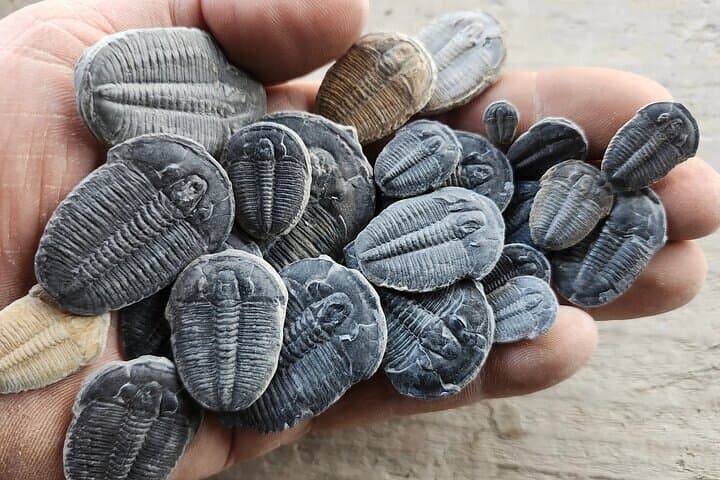
Spend eight hours digging through half a billion years of shale to uncover museum-quality trilobites west of Delta, Utah. This guided quarry access day combines hands-on paleontology instruction with practical fieldwork in an open desert setting.
Spend eight hours digging through half a billion years of shale to uncover museum-quality trilobites west of Delta, Utah. This guided quarry access day combines hands-on paleontology instruction with practical fieldwork in an open desert setting.
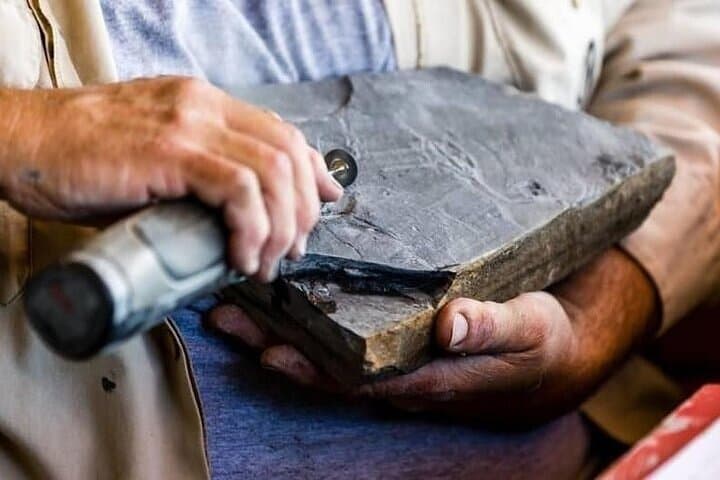
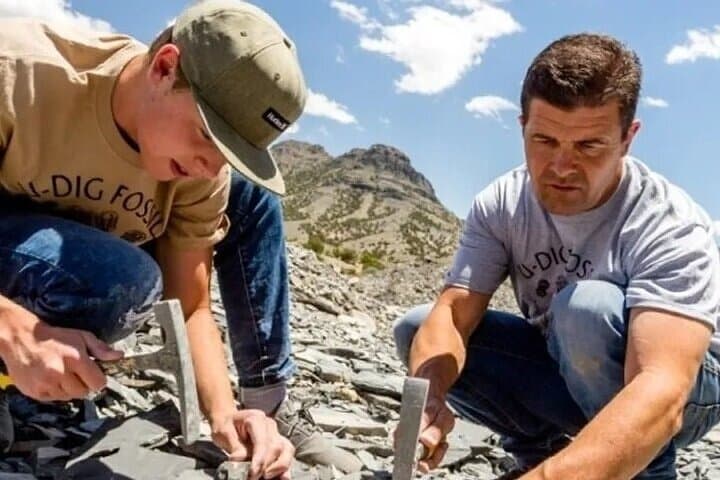
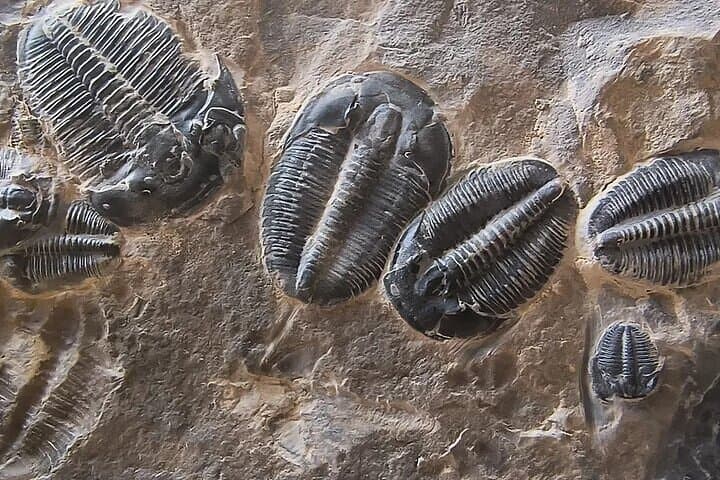
The wind opens the desert like a page and the shale seems to dare you to look closer. On a full-day quarry access trip an hour west of Delta, Utah, you step onto an exposed Cambrian shelf where layers of 500‑million‑year‑old mudstone break apart under your fingertips. Under an operator’s instruction you learn to spot the crescent shape of a trilobite before you pry it free — a slow, rewarding rhythm of sifting, tapping and piecing together a very ancient life.
Verified experiences and guided adventures in the surrounding area.
Operated by U-Dig Fossils · Delta, Utah
The wind opens the desert like a page and the shale seems to dare you to look closer. On a full-day quarry access trip an hour west of Delta, Utah, you step onto an exposed Cambrian shelf where layers of 500‑million‑year‑old mudstone break apart under your fingertips. Under an operator’s instruction you learn to spot the crescent shape of a trilobite before you pry it free — a slow, rewarding rhythm of sifting, tapping and piecing together a very ancient life.
This landscape sits on Cambrian marine deposits deposited when a shallow sea covered what is now western Utah. The House Range and nearby formations yielded some of the planet’s most complete trilobite assemblages, and local collecting traditions have evolved alongside paleontology research and land-use rules.
Expect mostly flat, open work areas with loose shale, short walks from parking, and long hours crouched or kneeling as you screen matrix for specimens. Sun and wind dominate; shade is scarce. Operators supply basic tools and show correct techniques for splitting shale and identifying specimens — collecting etiquette and legal limits are part of the briefing.
Practical guidance: arrive with ankle-supporting footwear, layered sun protection, and a hydration system. Bring knee pads or a ground pad and a small field notebook for specimen notes. Plan for an 8‑hour day with lunch and sunscreen reapplications. Respect the operator’s guidance on what you can take — scientific value and conservation matter here. Leave no trace, pack out trash, and photograph in situ when instructed to preserve context for research.
easy.
8 hours.
Minimal aerobic fitness required; you should be comfortable walking short distances over uneven ground and spending extended time crouched or kneeling.
Operators typically allow you to keep specimens collected during the day, within local land-use and operator rules; the briefing will cover legal limits and any scientific holds.
Basic tools are included by the operator, but bringing personal gloves, goggles and a small hand trowel can be useful; confirm specifics when booking.
The activity is family-friendly but requires supervision — check age recommendations with the operator and expect long periods of focused work for younger kids.
The tour may be canceled for severe weather; bring layered clothing and check cancellation and refund policies before arrival.
The quarry sits in Cambrian marine deposits known for exceptional trilobite preservation; these formations date to roughly 500 million years ago and have driven regional paleontology research.
Collecting is managed to balance public access with scientific value; follow operator rules, avoid removing contextual material, and pack out all trash to protect research sites.
U-Dig Fossils operates guided outdoor trips and adventures with an emphasis on safety, stewardship, and memorable experiences.
The wind opens the desert like a page and the shale seems to dare you to look closer. On a full-day quarry access trip an hour west of Delta, Utah, you step onto an exposed Cambrian shelf where layers of 500‑million‑year‑old mudstone break apart under your fingertips. Under an operator’s instruction you learn to spot the crescent shape of a trilobite before you pry it free — a slow, rewarding rhythm of sifting, tapping and piecing together a very ancient life.
The wind opens the desert like a page and the shale seems to dare you to look closer. On a full-day quarry access trip an hour west of Delta, Utah, you step onto an exposed Cambrian shelf where layers of 500‑million‑year‑old mudstone break apart under your fingertips. Under an operator’s instruction you learn to spot the crescent shape of a trilobite before you pry it free — a slow, rewarding rhythm of sifting, tapping and piecing together a very ancient life.
This landscape sits on Cambrian marine deposits deposited when a shallow sea covered what is now western Utah. The House Range and nearby formations yielded some of the planet’s most complete trilobite assemblages, and local collecting traditions have evolved alongside paleontology research and land-use rules.
Expect mostly flat, open work areas with loose shale, short walks from parking, and long hours crouched or kneeling as you screen matrix for specimens. Sun and wind dominate; shade is scarce. Operators supply basic tools and show correct techniques for splitting shale and identifying specimens — collecting etiquette and legal limits are part of the briefing.
Practical guidance: arrive with ankle-supporting footwear, layered sun protection, and a hydration system. Bring knee pads or a ground pad and a small field notebook for specimen notes. Plan for an 8‑hour day with lunch and sunscreen reapplications. Respect the operator’s guidance on what you can take — scientific value and conservation matter here. Leave no trace, pack out trash, and photograph in situ when instructed to preserve context for research.