THE ADVENTURE COLLECTIVE® · Independent discovery and booking for outdoor travel

A full-day small-group trek from Cusco to Vinicunca (Rainbow Mountain) and Red Valley offers high-altitude scenery, mineral-striped slopes, and Quechua cultural context. Expect long transport, thin air, and dramatic views—this is an experience best attempted after acclimatization.
A full-day small-group trek from Cusco to Vinicunca (Rainbow Mountain) and Red Valley offers high-altitude scenery, mineral-striped slopes, and Quechua cultural context. Expect long transport, thin air, and dramatic views—this is an experience best attempted after acclimatization.
You step out of the van into air thin enough to make your breath visible and the Andes immediately remind you who’s in charge. A high plain opens beneath Ausangate’s glaciated flank; puna grasses ripple and alpaca graze like loose punctuation across the slopes. The first colors of Vinicunca—stripes of iron-rich red, ochre and green—appear as the path angles upward.
Verified experiences and guided adventures in the surrounding area.
Operated by FlashpackerConnect LLC · Cusco, Cusco
You step out of the van into air thin enough to make your breath visible and the Andes immediately remind you who’s in charge. A high plain opens beneath Ausangate’s glaciated flank; puna grasses ripple and alpaca graze like loose punctuation across the slopes. The first colors of Vinicunca—stripes of iron-rich red, ochre and green—appear as the path angles upward.
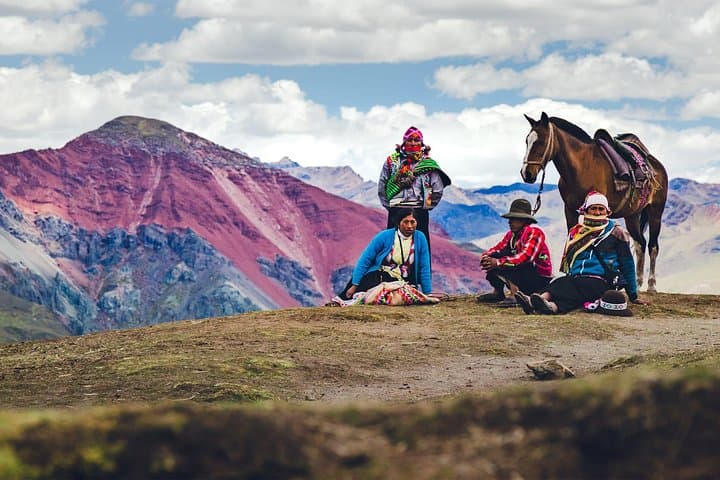
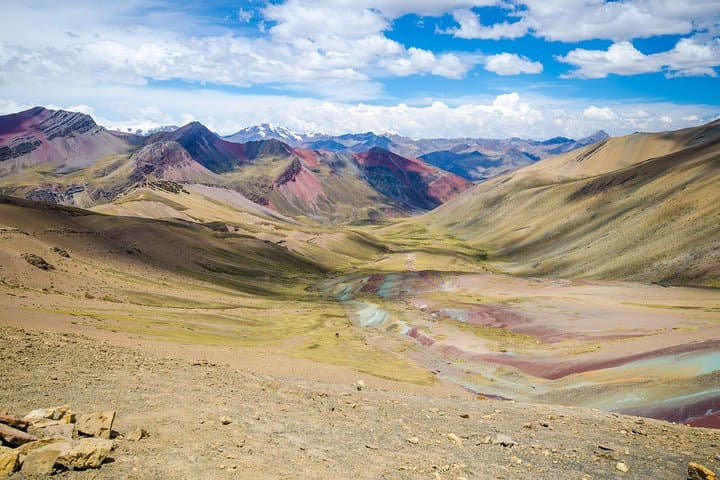
This landscape is recent in geological terms: layers of sediment and mineral deposits uplifted and exposed by tectonic forces and glacial erosion. Local Quechua communities have inhabited these high valleys for centuries, herding llamas and alpaca, and regarding Ausangate as an apu, or sacred mountain. The hike threads cultural insight and geology as your guide explains mineral bands and traditional land use.
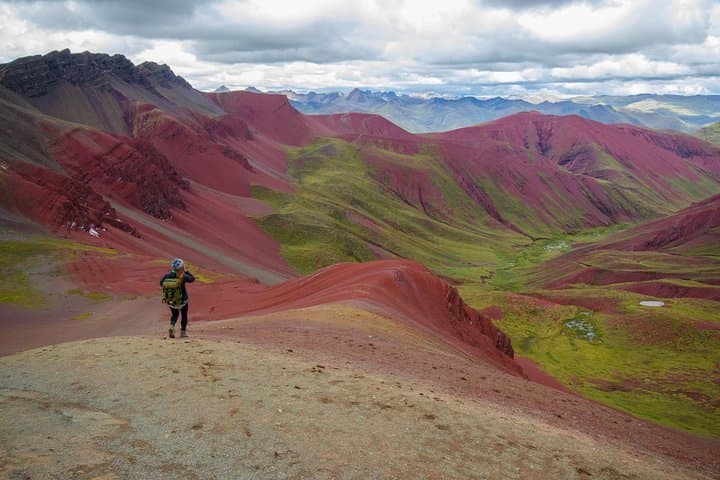
Expect 7.5 km (4.7 mi) of walking to the ridge with roughly 400–600 m of elevation change depending on route and side trails; altitude is the chief challenge. The return follows a different line through Red Valley’s russet slopes, where iron oxides flare at sunset and the wind seems to push you along.
Practically: acclimatize in Cusco for 48–72 hours if possible, pack layers for sun, wind and cold, and use trekking poles for the steeper stretches. Operators often include breakfast, snacks, and a hot lunch in a traditional dining tent; transport is a long roadside drive, so bring motion-sickness measures if needed.
At the top, take a long pause—this is less about summiting and more about being present at altitude, where colors, culture and geology meet in a raw, clear light.
challenging.
13–15 hours.
Requires high aerobic fitness, prior high-altitude exposure recommended; be comfortable hiking 4–6 hours at elevation.
The uphill portion is about 7.5 km (4.7 mi) and can take ~3–4 hours depending on pace and acclimatization; return via Red Valley adds another 2–3 hours.
Yes—Vinicunca sits above 5,000 m in some approaches; acclimatize in Cusco, hydrate, and descend if you experience severe symptoms.
Most operators include hotel pickup/drop-off from Cusco, breakfast, snacks, and a cooked lunch—confirm specifics when booking.
Minimum ages vary; many operators set a lower limit (often 10 years) and require good fitness—check provider policies and consider altitude risks.
Local Quechua communities have lived around Ausangate for generations; they revere the mountain as an apu (sacred protector) and maintain pastoral traditions.
Heavy foot traffic has eroded some paths—stick to designated trails, avoid single-use plastics, and support local operators who contribute to community conservation.
FlashpackerConnect LLC operates guided outdoor trips and adventures with an emphasis on safety, stewardship, and memorable experiences.
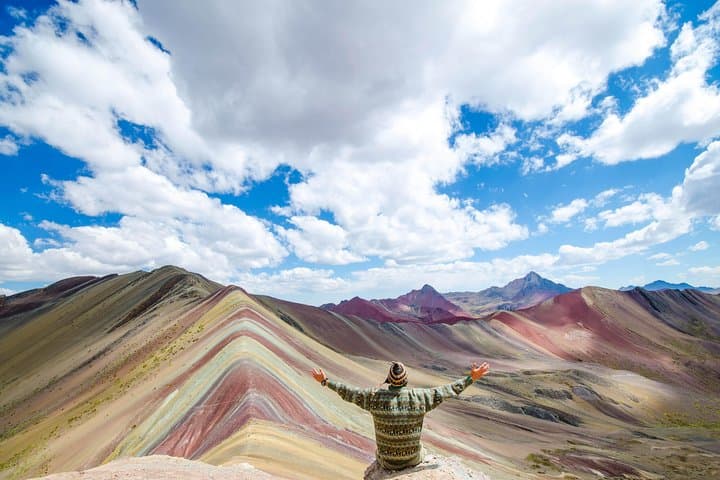
You step out of the van into air thin enough to make your breath visible and the Andes immediately remind you who’s in charge. A high plain opens beneath Ausangate’s glaciated flank; puna grasses ripple and alpaca graze like loose punctuation across the slopes. The first colors of Vinicunca—stripes of iron-rich red, ochre and green—appear as the path angles upward.
You step out of the van into air thin enough to make your breath visible and the Andes immediately remind you who’s in charge. A high plain opens beneath Ausangate’s glaciated flank; puna grasses ripple and alpaca graze like loose punctuation across the slopes. The first colors of Vinicunca—stripes of iron-rich red, ochre and green—appear as the path angles upward.
This landscape is recent in geological terms: layers of sediment and mineral deposits uplifted and exposed by tectonic forces and glacial erosion. Local Quechua communities have inhabited these high valleys for centuries, herding llamas and alpaca, and regarding Ausangate as an apu, or sacred mountain. The hike threads cultural insight and geology as your guide explains mineral bands and traditional land use.
Expect 7.5 km (4.7 mi) of walking to the ridge with roughly 400–600 m of elevation change depending on route and side trails; altitude is the chief challenge. The return follows a different line through Red Valley’s russet slopes, where iron oxides flare at sunset and the wind seems to push you along.
Practically: acclimatize in Cusco for 48–72 hours if possible, pack layers for sun, wind and cold, and use trekking poles for the steeper stretches. Operators often include breakfast, snacks, and a hot lunch in a traditional dining tent; transport is a long roadside drive, so bring motion-sickness measures if needed.
At the top, take a long pause—this is less about summiting and more about being present at altitude, where colors, culture and geology meet in a raw, clear light.