THE ADVENTURE COLLECTIVE® · Independent discovery and booking for outdoor travel

Board an early train from the Sacred Valley and arrive at Machu Picchu for a guided exploration of the Inca citadel. This full-day tour combines scenic rail travel, a two-hour guide-led visit and free time to explore the World Heritage site.
Board an early train from the Sacred Valley and arrive at Machu Picchu for a guided exploration of the Inca citadel. This full-day tour combines scenic rail travel, a two-hour guide-led visit and free time to explore the World Heritage site.
You step off the Expedition train and the air feels colder, thinner—mountain breath that carries moss and the distant tumble of the Urubamba. The path up to the citadel threads through cloud forest and terraces, and within an hour you’re standing before the stonework that made the Incas visible to the world.
Verified experiences and guided adventures in the surrounding area.
Operated by Trek The Colca · Aguas Calientes, Cusco
You step off the Expedition train and the air feels colder, thinner—mountain breath that carries moss and the distant tumble of the Urubamba. The path up to the citadel threads through cloud forest and terraces, and within an hour you’re standing before the stonework that made the Incas visible to the world.
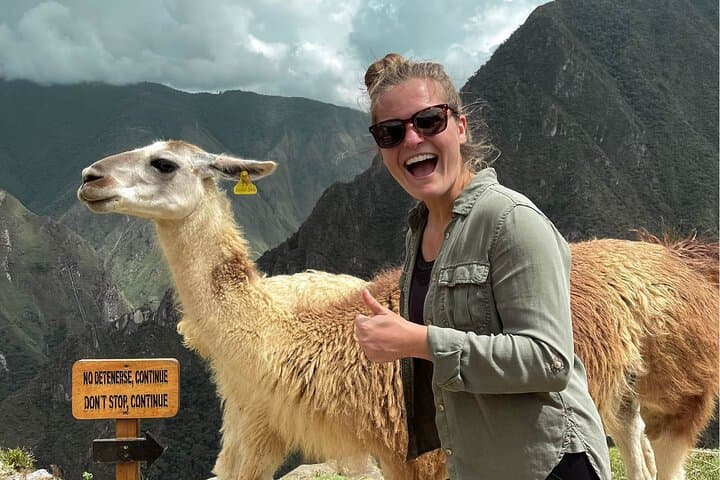
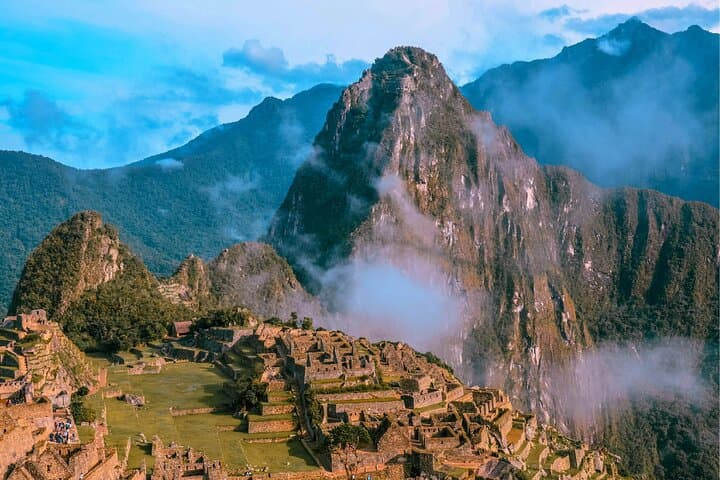
Machu Picchu sits on a granite spine carved by tectonics and time. Built in the 15th century under Pachacuti, the site combines precise ashlar masonry with agricultural terraces that cling to steep slopes. The valley’s microclimates support orchids, hummingbirds and the llamas that punctuate most photos, while the Vilcanota (Urubamba) River daringly carves the gorge below.
Local guides will explain Inca ritual spaces, the Intihuatana platform and the complex water channels that still move runoff without pumps. Aguas Calientes—where trains terminate—offers simple eateries and botanical side-trips, but the citadel is the main event: arrive early for softer light and fewer crowds.
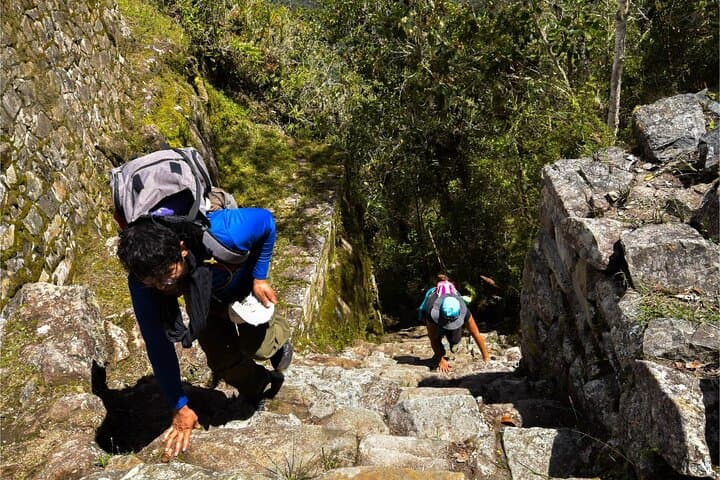
Practical guidance: this is a long, early day—expect a 3:30 a.m. departure from Cusco, a bus to Ollantaytambo, then train and shuttle to the site; total round-trip is about 12 hours. Wear grippy footwear for uneven stone steps, bring layered clothing for rapid weather shifts, and carry water and snacks for your free time after the guided two-hour tour. Book trains and Machu Picchu admission well in advance; Huayna Picchu requires a separate ticket. Respect paths, don’t feed wildlife, and allow extra time for photo stops—the mountain rewards patience.
moderate.
12 hours.
Light to moderate fitness for walking on uneven, stepped terrain for several hours; comfortable with stairs and short steep sections.
Yes—the tour includes the Machu Picchu entrance ticket, but special hikes like Huayna Picchu or Machu Picchu Mountain need separate permits booked ahead.
The included guided tour is about two hours, followed by free time to explore on your own in the afternoon.
Cusco is high (≈3,400 m); common symptoms include headache and shortness of breath—spend a day acclimatizing and stay hydrated; seek medical attention if symptoms worsen.
Yes—small snacks and water are allowed; food vendors are limited at the top, so carry what you need and pack out any trash.
Machu Picchu was constructed in the mid-15th century under Inca ruler Pachacuti and served as a royal estate and religious center before its 16th-century abandonment.
Visitor numbers are regulated with timed entry; stay on marked routes, avoid single-use plastics, and follow guide instructions to protect fragile ruins and highland ecosystems.
Trek The Colca operates guided outdoor trips and adventures with an emphasis on safety, stewardship, and memorable experiences.
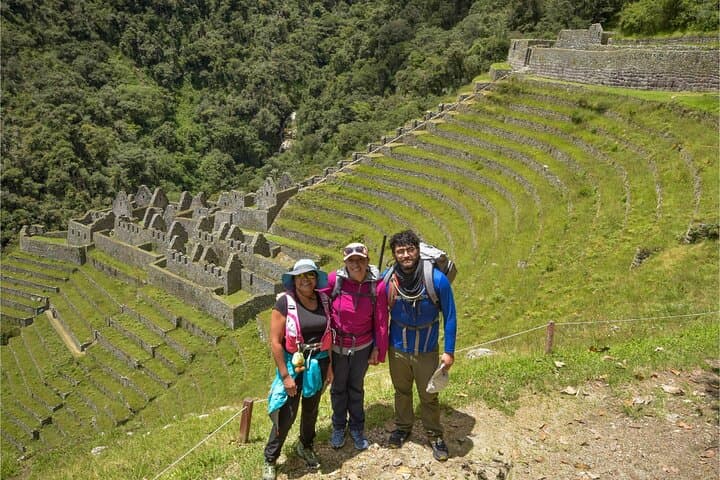
You step off the Expedition train and the air feels colder, thinner—mountain breath that carries moss and the distant tumble of the Urubamba. The path up to the citadel threads through cloud forest and terraces, and within an hour you’re standing before the stonework that made the Incas visible to the world.
You step off the Expedition train and the air feels colder, thinner—mountain breath that carries moss and the distant tumble of the Urubamba. The path up to the citadel threads through cloud forest and terraces, and within an hour you’re standing before the stonework that made the Incas visible to the world.
Machu Picchu sits on a granite spine carved by tectonics and time. Built in the 15th century under Pachacuti, the site combines precise ashlar masonry with agricultural terraces that cling to steep slopes. The valley’s microclimates support orchids, hummingbirds and the llamas that punctuate most photos, while the Vilcanota (Urubamba) River daringly carves the gorge below.
Local guides will explain Inca ritual spaces, the Intihuatana platform and the complex water channels that still move runoff without pumps. Aguas Calientes—where trains terminate—offers simple eateries and botanical side-trips, but the citadel is the main event: arrive early for softer light and fewer crowds.
Practical guidance: this is a long, early day—expect a 3:30 a.m. departure from Cusco, a bus to Ollantaytambo, then train and shuttle to the site; total round-trip is about 12 hours. Wear grippy footwear for uneven stone steps, bring layered clothing for rapid weather shifts, and carry water and snacks for your free time after the guided two-hour tour. Book trains and Machu Picchu admission well in advance; Huayna Picchu requires a separate ticket. Respect paths, don’t feed wildlife, and allow extra time for photo stops—the mountain rewards patience.