THE ADVENTURE COLLECTIVE® · Independent discovery and booking for outdoor travel

A full-day regional train from Nice threads the Var Valley to medieval villages like Entrevaux and Annot, mixing civil-engineering views, Vauban fortresses and short hikes through sandstone formations. Expect long travel days, village climbs and a local lunch.
A full-day regional train from Nice threads the Var Valley to medieval villages like Entrevaux and Annot, mixing civil-engineering views, Vauban fortresses and short hikes through sandstone formations. Expect long travel days, village climbs and a local lunch.
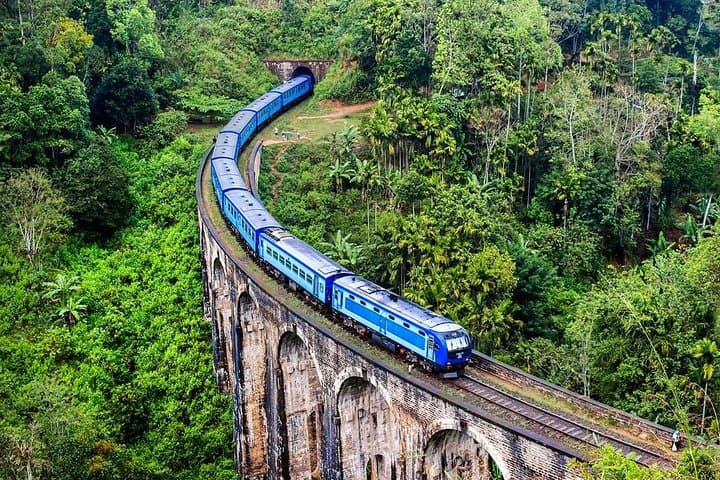
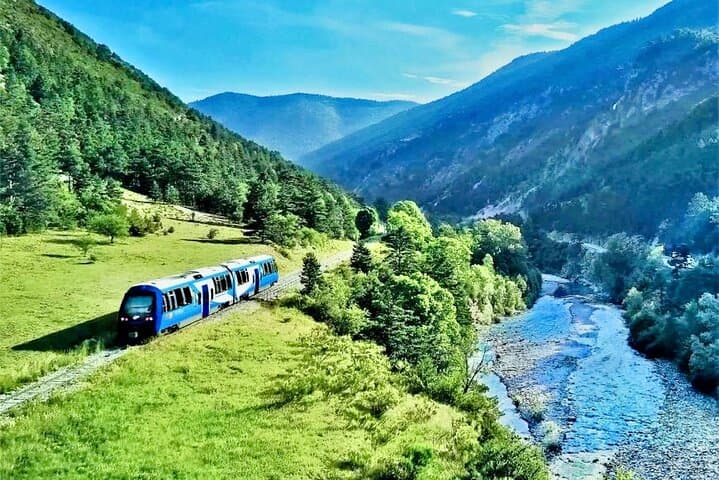
Morning air on the platform tastes of resin and cold metal as the small regional train sighs out of Nice and climbs toward the high ridges. Windows frame plunging canyons, stone viaducts and tunnels that swallow and then spit you back into sunlight; the river Var keeps time like a restless companion daring you to look away.
Verified experiences and guided adventures in the surrounding area.
Operated by Nice Creative Tours · Nice, Provence-Alpes-Côte d'Azur
Morning air on the platform tastes of resin and cold metal as the small regional train sighs out of Nice and climbs toward the high ridges. Windows frame plunging canyons, stone viaducts and tunnels that swallow and then spit you back into sunlight; the river Var keeps time like a restless companion daring you to look away.
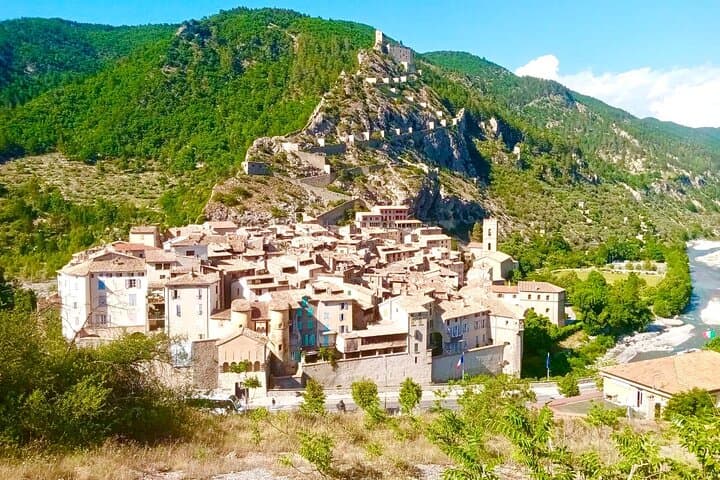
The route follows an old trade and military corridor where the borderlands of Savoy and France met for centuries. Towns like Entrevaux and Annot grew around defensible rock and the Vauban-era fortifications that still crown their summits. Geology shows itself in sandstone blocks and limestone outcrops—natural sculptures that created caves, shelters and the so-called “King’s Room.” Centuries-old chestnut forests shade narrow lanes where local life remains quietly provincial: small bakeries, stone churches, and museums that remember motorcycle rallies and frontier histories.
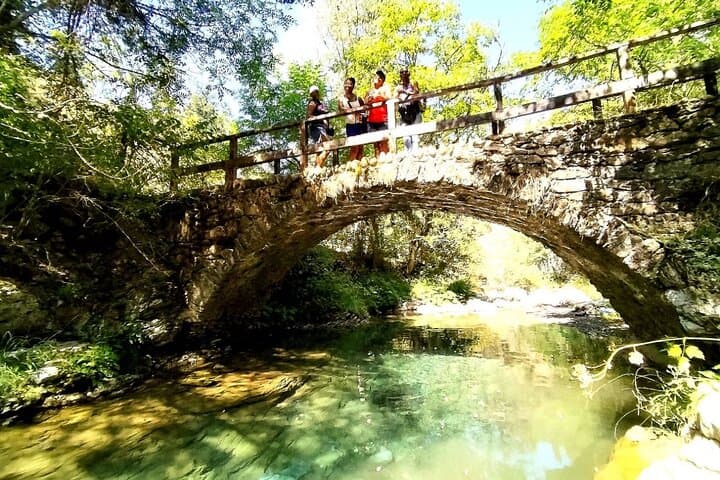
Expect a mix of sitting and walking: short uphill sections to castle viewpoints (150 m of ascent at some sites), stone stairways and brief downhill trails through village lanes. Wildlife here is discreet—raptors wheel above cliffs while forests shelter boar and small mammals. Guides frequently choose lunch at a valley restaurant to showcase local Provençal cuisine.
Practical edge: bring layered clothing for fast weather shifts, sturdy shoes for uneven medieval streets and at least 1.5 liters of water. Daylight shortens between October and March and the operator may alter the route or use a bus for parts of the return. If you plan to hike optional trails, be prepared for steep steps and loose rock; otherwise the trip is an accessible way to see high-Alpine scenery without alpine-grade commitment.
moderate.
8–13 hours.
Good cardiovascular fitness for stair climbs and optional uphill walks; comfortable walking for several short hikes and village exploration.
Meeting is at Gare des Chemins de Fer de Provence (big blue gate) at 4bis Rue Alfred Binet in Nice; there is no hotel pickup—arrive 15–20 minutes early.
Most walking is short but some sites require climbs of about 150 meters and many stairs; participants should be comfortable with uphill walks and uneven terrain.
Yes—between mid‑October and end of March the guide may shorten the route or return by bus early if daylight or weather is limiting.
Lunch at a valley restaurant is included; advise any dietary restrictions when booking so the guide can inform the kitchen.
Many villages on the line were shaped by their position on historic trade and military routes; Vauban-era fortifications and medieval drawbridges reflect centuries of border defense.
The chestnut groves and sandstone outcrops are sensitive to trampling; stick to marked paths, pack out waste and respect protected areas to limit erosion and habitat disturbance.
Nice Creative Tours operates guided outdoor trips and adventures with an emphasis on safety, stewardship, and memorable experiences.
Morning air on the platform tastes of resin and cold metal as the small regional train sighs out of Nice and climbs toward the high ridges. Windows frame plunging canyons, stone viaducts and tunnels that swallow and then spit you back into sunlight; the river Var keeps time like a restless companion daring you to look away.
Morning air on the platform tastes of resin and cold metal as the small regional train sighs out of Nice and climbs toward the high ridges. Windows frame plunging canyons, stone viaducts and tunnels that swallow and then spit you back into sunlight; the river Var keeps time like a restless companion daring you to look away.
The route follows an old trade and military corridor where the borderlands of Savoy and France met for centuries. Towns like Entrevaux and Annot grew around defensible rock and the Vauban-era fortifications that still crown their summits. Geology shows itself in sandstone blocks and limestone outcrops—natural sculptures that created caves, shelters and the so-called “King’s Room.” Centuries-old chestnut forests shade narrow lanes where local life remains quietly provincial: small bakeries, stone churches, and museums that remember motorcycle rallies and frontier histories.
Expect a mix of sitting and walking: short uphill sections to castle viewpoints (150 m of ascent at some sites), stone stairways and brief downhill trails through village lanes. Wildlife here is discreet—raptors wheel above cliffs while forests shelter boar and small mammals. Guides frequently choose lunch at a valley restaurant to showcase local Provençal cuisine.
Practical edge: bring layered clothing for fast weather shifts, sturdy shoes for uneven medieval streets and at least 1.5 liters of water. Daylight shortens between October and March and the operator may alter the route or use a bus for parts of the return. If you plan to hike optional trails, be prepared for steep steps and loose rock; otherwise the trip is an accessible way to see high-Alpine scenery without alpine-grade commitment.